India’s Data Centre Industry Set for Rapid Growth, Land and Power Remain Biggest Challenges: JM Financial

AI adoption, cloud expansion and digital transformation are driving demand, while infrastructure bottlenecks could determine future market leaders.
India Data Centre industry growth

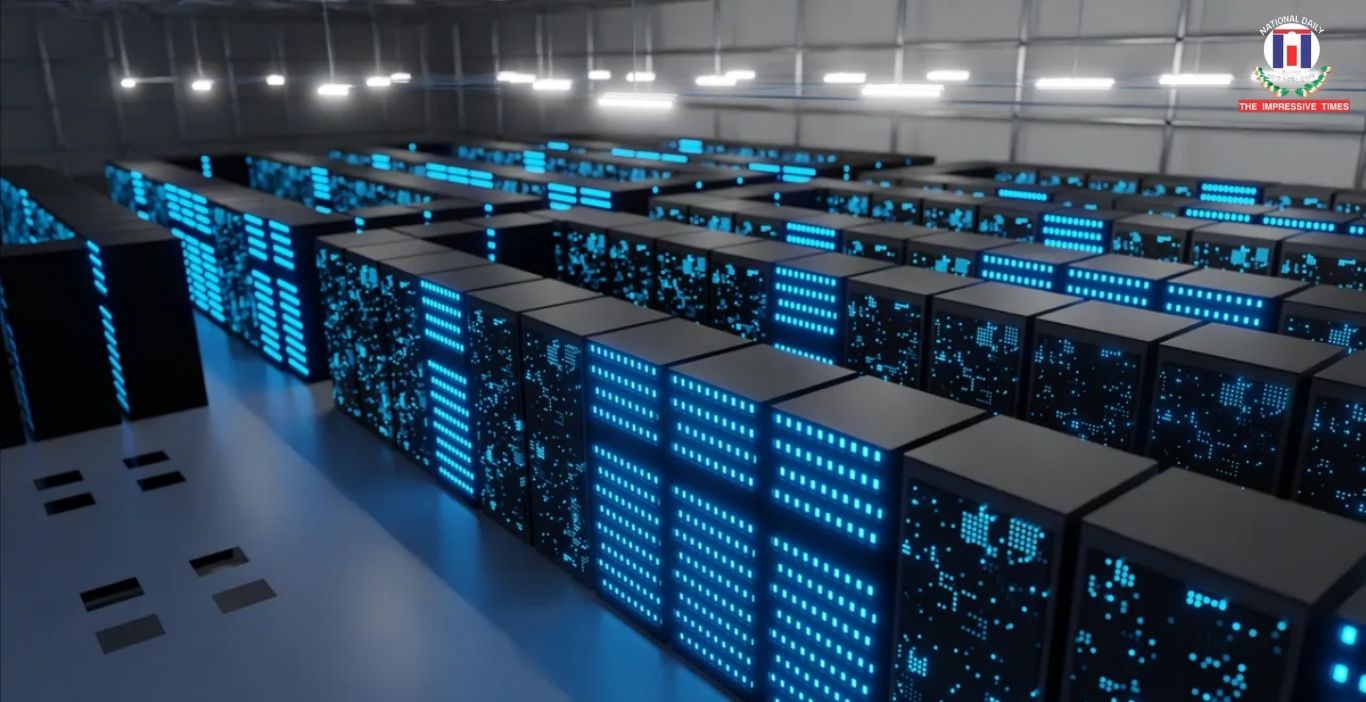
New Delhi, July 23: India’s data centre industry is expected to witness strong long-term growth as increasing adoption of artificial intelligence (AI), cloud computing and enterprise digitalisation continue to drive demand. However, challenges related to land acquisition, power availability and project execution are likely to influence the sector’s pace of expansion, according to a report by JM Financial.

The report noted that India‘s data centre market is still at an early stage of development despite its significant growth potential. It said developers with readily available land, reliable grid connectivity and prior experience in building large-scale data centres are likely to gain a competitive edge by completing projects more quickly.

JM Financial highlighted that access to land and uninterrupted power supply remains the most critical factor for successful data centre development. Companies with existing infrastructure and strong resource access are expected to benefit from shorter deployment timelines and improved operational efficiency.

The report also observed that operators are increasingly evaluating different business models. While traditional colocation services continue to offer stable revenue through long-term customer contracts, integrated full-stack infrastructure solutions can deliver higher earnings per megawatt and stronger client retention. However, these models also require greater investment, involve higher technology risks and demand more complex execution.

Another important consideration for the sector is the choice between owning infrastructure and leasing capacity. Leasing under an operational expenditure (OPEX) model provides flexibility and reduces execution risk, whereas owning facilities through a capital expenditure (CAPEX) model offers greater strategic control but requires substantial upfront investment.

Sustainability is also emerging as a key priority. With AI-driven workloads significantly increasing electricity consumption, enterprises are placing greater emphasis on energy-efficient operations and renewable power sources. The report stated that maintaining low Power Usage Effectiveness (PUE) while ensuring access to renewable energy will become increasingly important for future growth.

The report further highlighted different strategies adopted by leading technology firms. Tata Consultancy Services (TCS) is expanding AI-ready infrastructure through its HyperVault initiative while focusing on leased capacity for enterprise clients. Meanwhile, HCLTech is building an integrated AI ecosystem by combining data centres, computing infrastructure and AI models to deliver end-to-end enterprise solutions.

According to JM Financial, the long-term outlook for India’s data centre industry remains highly positive. However, companies that effectively address challenges related to land availability, power supply, renewable energy integration and efficient execution are expected to emerge as market leaders in the coming years.

No Comments:

Leave a Reply

Your email address will not be published. Required fields are marked *

National News

Education

More News