India and Germany Deepen Environmental Cooperation at 4th Indo-German Environment Forum
India-Germany Strengthen Partnership on Climate and Wetland Conservation

 The Impressive Times
New Delhi- India and Germany have agreed to expand cooperation on environmental protection, climate action and sustainable development, with both sides highlighting the need for stronger collaboration in technology, knowledge-sharing and institutional capacity.
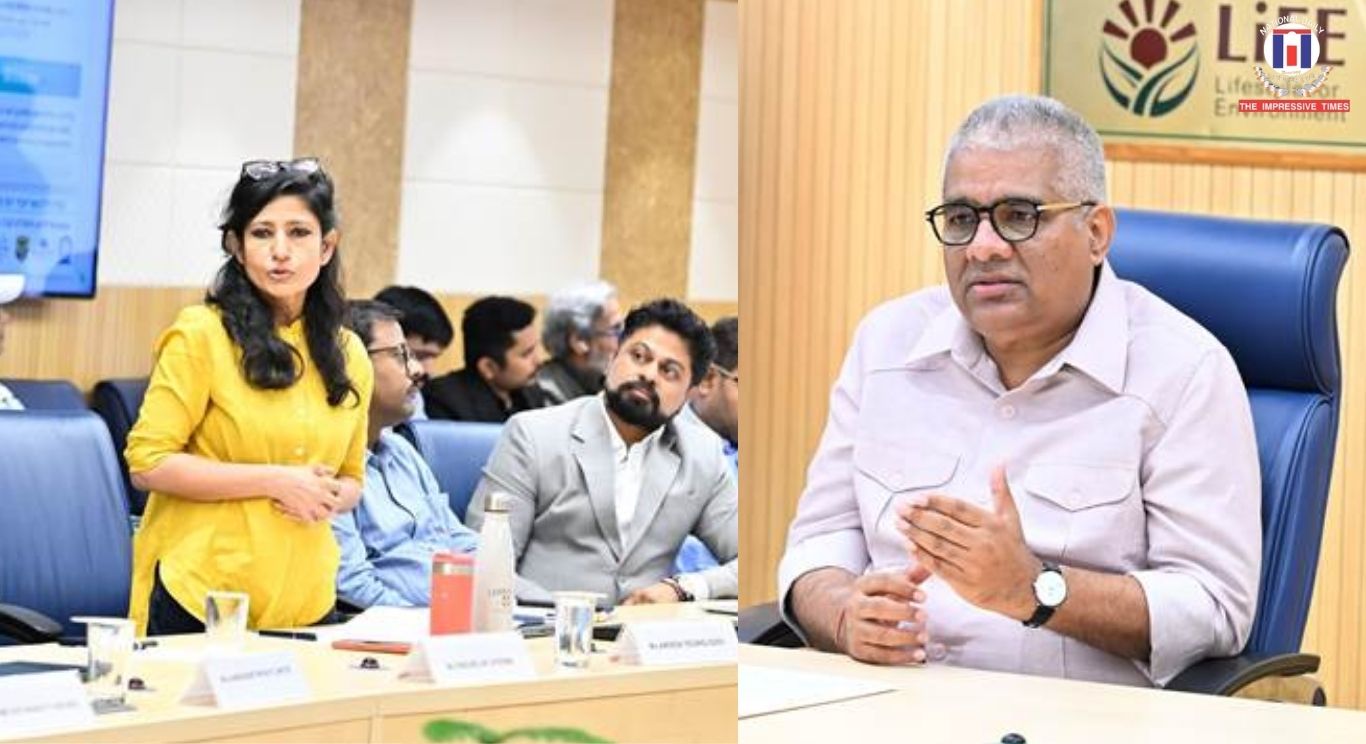
The discussions took place during the 4th Indo-German Environment Forum (IGEF) in New Delhi, co-chaired by Union Environment, Forest and Climate Change Minister Bhupender Yadav and German Environment Minister Carsten Schneider.
Yadav said the growing challenges of climate change, biodiversity decline, pollution and pressure on natural resources require coordinated solutions rather than isolated interventions. He said the theme of the forum, Together for More Resilience, reflects the need to develop pathways that combine economic progress with environmental sustainability.
The Environment Minister said India’s experience demonstrates that environmental objectives and economic development can advance together. He pointed to the country’s progress in meeting its Nationally Determined Contribution commitments ahead of schedule as an indication of the scale of ongoing transformation.
Yadav also highlighted the economic opportunities associated with efficient use of resources and a circular economy. He said India’s circular economy could potentially become a market worth more than $2 trillion and support nearly 10 million jobs by 2050.
He recalled the creation of the Resource Efficiency and Circular Economy Industry Coalition during India’s G20 Presidency, describing it as an important effort to place resource efficiency and circular production models higher on the international agenda.
The Minister said the next stage of India’s industrial transition would require solutions for sectors with high energy consumption, including steel, cement and chemicals.
According to Yadav, achieving lower-carbon production in these industries will depend on technological innovation, cleaner sources of energy, efficient resource use, supportive policies and new manufacturing methods.
He called on the Indo-German forum to strengthen the scientific and evidence-based foundation for environmental policymaking while identifying solutions that can be implemented on a larger scale. Greater cooperation in technology, research and innovation, he added, will be critical to achieving these goals.
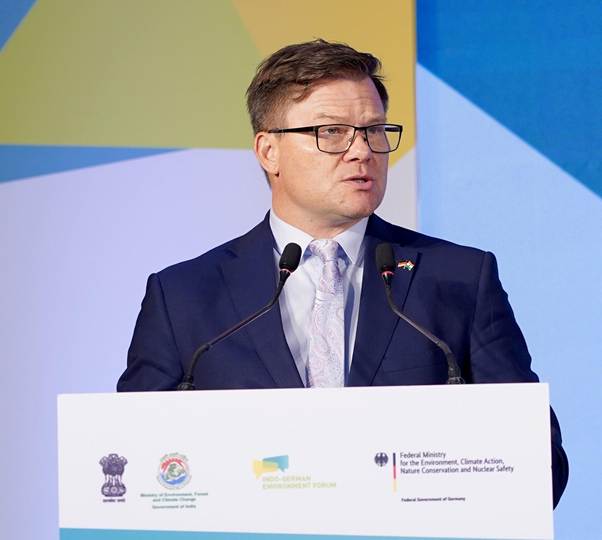
German Environment Minister Carsten Schneider described India’s rapid growth in renewable energy as an example for other parts of the world. He pointed to the country’s expanding deployment of solar and wind power and praised its pace of technological and economic transformation.
Schneider said India and Germany have a strong foundation for closer cooperation, particularly as the two countries mark 75 years of diplomatic relations. He said both nations share the objective of ensuring that economic expansion is compatible with sustainable development.
Germany also welcomed the expansion of bilateral work on climate adaptation and wetland conservation, with plans for joint initiatives and greater exchange of expertise.
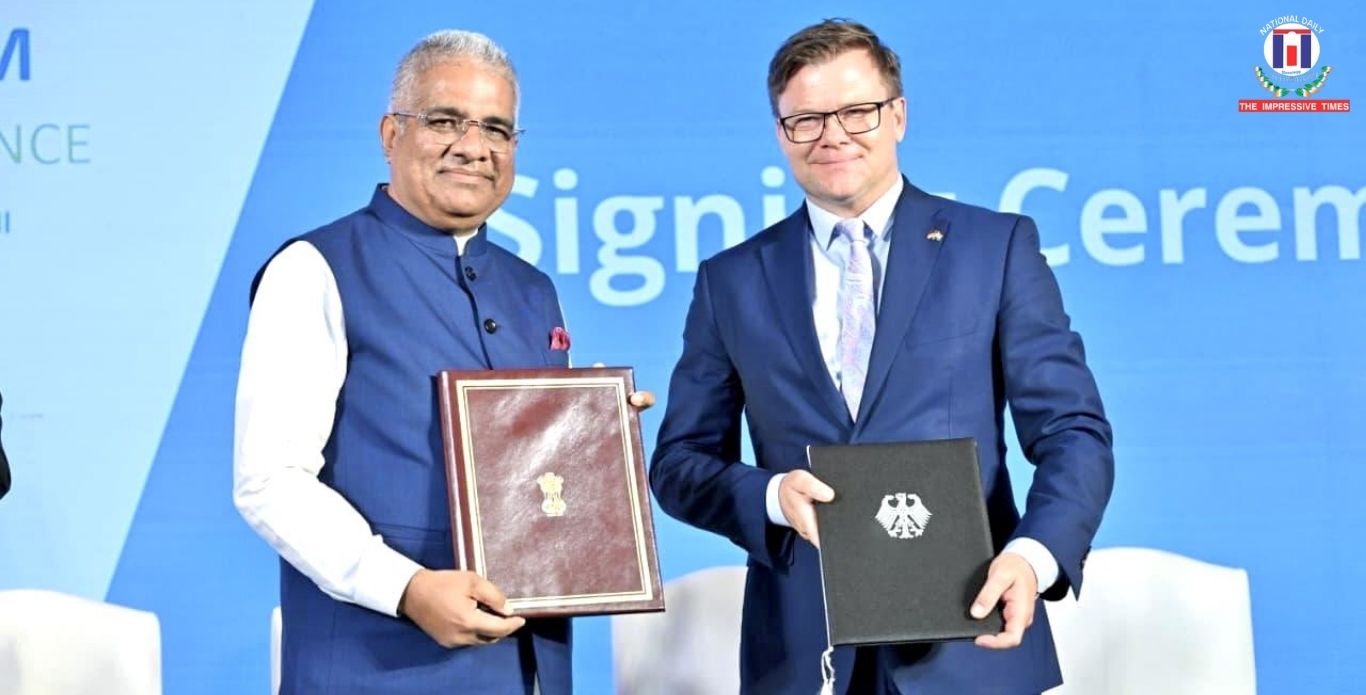
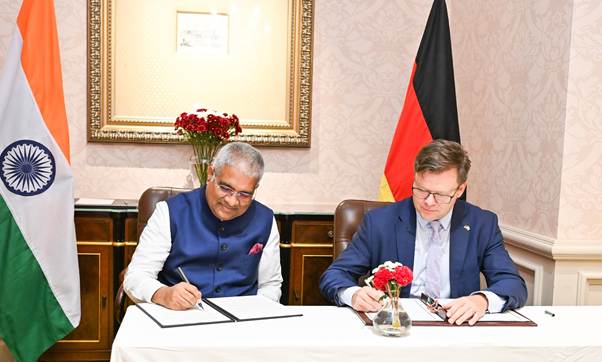
On the sidelines of the forum, Yadav and Schneider held bilateral discussions and signed a Joint Declaration of Intent on the Conservation and Wise Use of Wetlands of International Importance.
The agreement is expected to facilitate greater scientific cooperation, exchange of successful wetland-management practices, development of restoration strategies and stronger involvement of local communities. Yadav also addressed the Indo-German Business Forum, where he highlighted opportunities for companies from both countries to collaborate in emerging green sectors.
Areas identified for potential cooperation include renewable energy, energy storage, green hydrogen, energy efficiency, sustainable manufacturing and related technologies.
The minister said closer economic and technological engagement could help both countries build more resilient, low-carbon and resource-efficient economies.
The IGEF brought together policymakers, businesses, researchers, think tanks and civil society organisations for discussions on environmental cooperation.
The sessions covered low-carbon industries; biodiversity in wetlands, mountains and forests; resource efficiency and circular economy business models; and sustainable finance, green skills and investment mobilisation.
Three bilateral working groups focusing on climate change, biodiversity and the circular economy also met ahead of the forum to review progress and identify areas for future cooperation.
The latest discussions come against the backdrop of expanding economic and industrial ties between India and Germany, with environmental technologies, climate resilience and green economic development emerging as important areas for deeper bilateral engagement.











































No Comments: