Navratri Day 5 Celebrates Maa Skandamata and the Auspicious Colour Yellow
From the divine bond of motherhood to the vibrant symbolism of yellow, the fifth day of Navratri highlights faith, compassion, wisdom and the nurturing power of Goddess Durga.

 The Impressive Times
TIT Correspondent
info@impressivetimes.com
New Delhi, October 15: Navratri is more than a religious festival; it is a celebration of feminine strength, devotion, cultural heritage and spiritual renewal. Each of the nine days honours a different manifestation of Goddess Durga, representing unique qualities that inspire devotees to embrace positivity and inner strength.
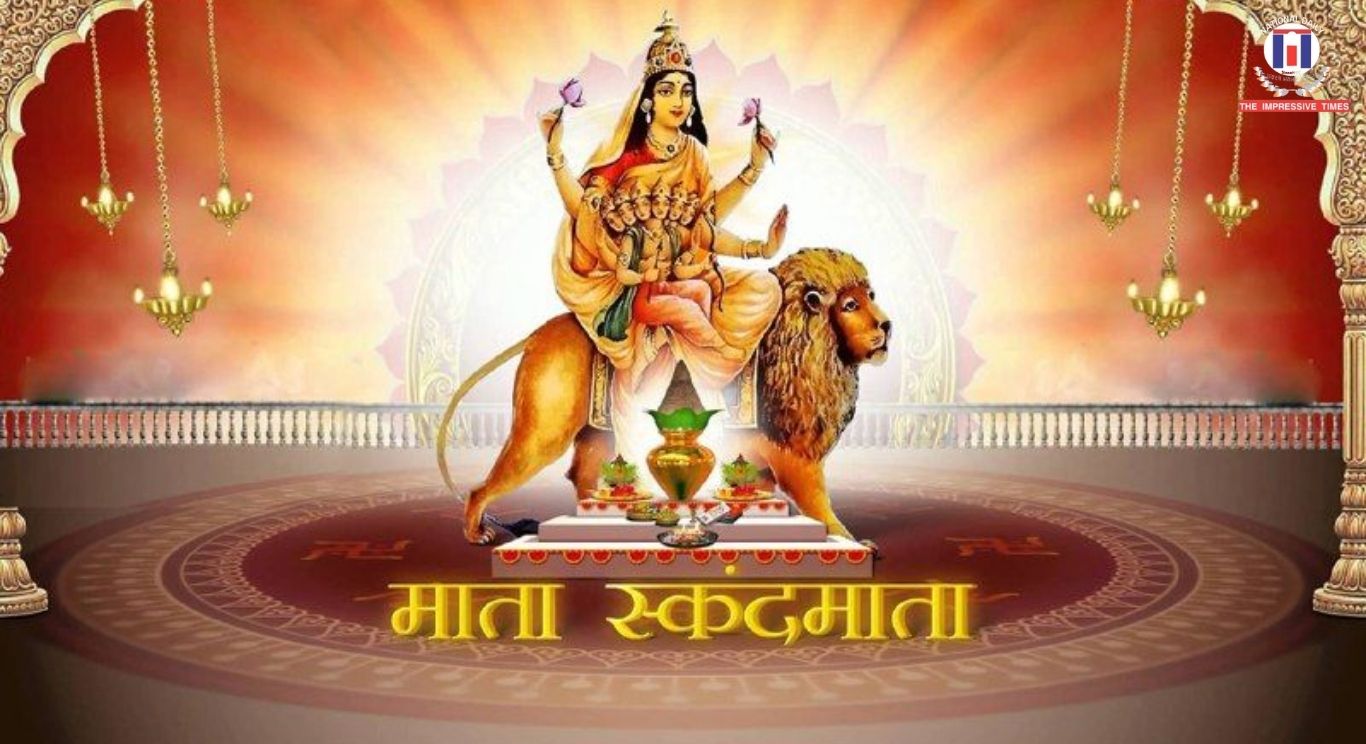
On the fifth day of Navratri, observed on October 15 according to the festival schedule, devotees worship Maa Skandamata, the fifth manifestation of Goddess Durga. Revered as the divine mother of Lord Kartikeya, also known as Skanda, she represents unconditional love, protection, wisdom and maternal compassion.
Yellow, the designated colour for the day in this Navratri colour schedule, adds a cheerful and uplifting dimension to the celebrations. Symbolising happiness, optimism and prosperity, the colour reflects the positive energy associated with the goddess.
Maa Skandamata holds a special place among the nine forms of Goddess Durga. Her name combines two words: ‘Skanda’, another name for Lord Kartikeya, and ‘Mata’, meaning mother.
According to Hindu tradition, Lord Kartikeya is the son of Lord Shiva and Goddess Parvati and is revered as a warrior deity. Maa Skandamata embodies the nurturing and protective qualities of motherhood while also representing divine courage and spiritual strength.
She is traditionally depicted with four arms, seated on a lion and holding her son Skanda in her lap. Two of her hands carry lotus flowers, while another supports the young deity. Her remaining hand is often shown in a gesture of blessing.
The goddess is also associated with the lotus, symbolising purity, spiritual awakening and the ability to remain peaceful amid life’s challenges.
Her divine appearance conveys a meaningful message: true strength is not limited to power or victory but is equally expressed through kindness, patience and the ability to protect and nurture others.
Colours play an important role in Navratri celebrations, with many devotees following a different colour theme each day.
For October 15, yellow has been chosen as the colour associated with the fifth day’s celebrations.
In Indian culture, yellow is traditionally linked with sunshine, happiness, knowledge and auspicious beginnings. It is frequently seen during religious ceremonies, weddings and festive gatherings.
The colour also carries a strong connection with nature, representing warmth, freshness and the promise of new opportunities.
Wearing yellow on this day is a popular way for devotees to express their festive spirit and participate in the celebrations.
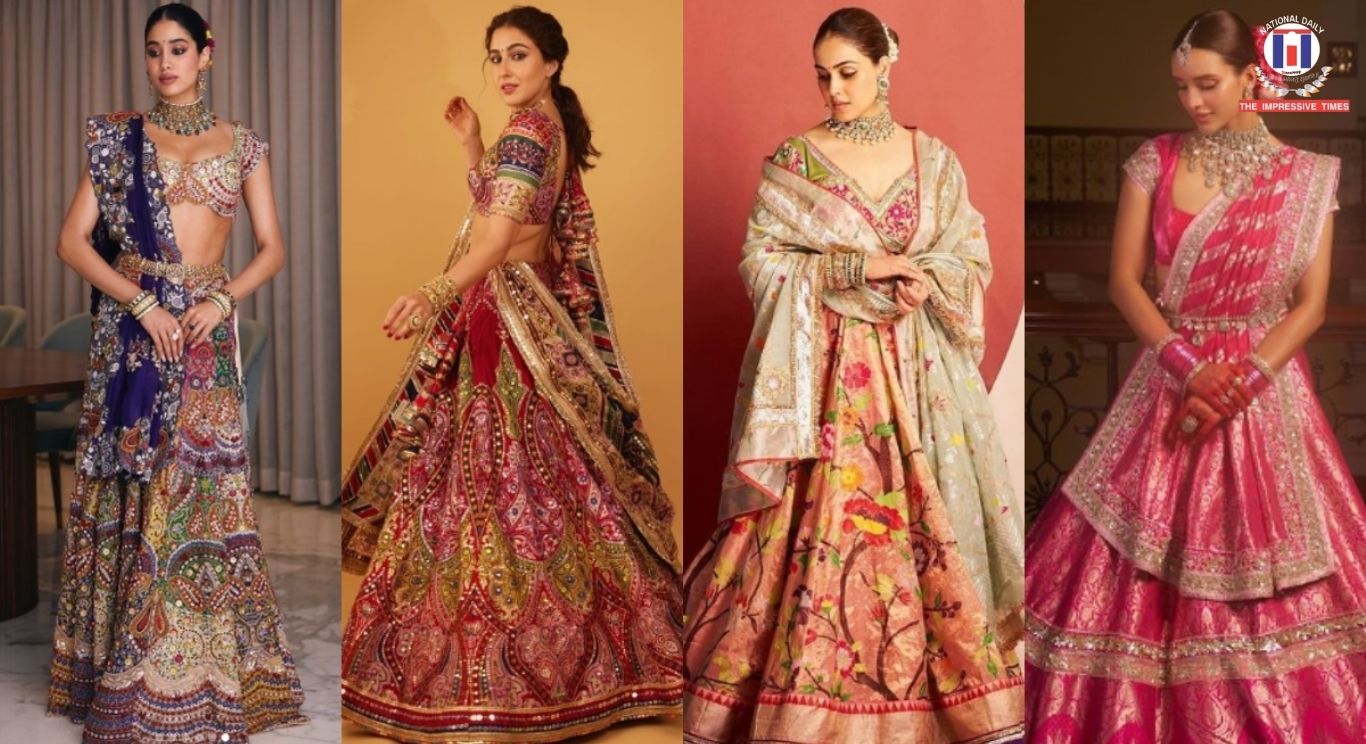
From elegant yellow sarees and traditional suits to simple kurtas and festive accessories, the colour can be incorporated into everyday clothing without compromising comfort or personal style.
Yellow flowers, decorative fabrics and traditional rangoli designs can also bring a vibrant festive atmosphere into homes.
While wearing a particular colour is a cultural practice rather than a compulsory religious requirement, it adds a sense of unity and enthusiasm to the nine-day celebration.
Devotees worship Maa Skandamata with prayers, offerings and devotional practices that vary across families and regions.
The day often begins with cleaning the prayer space and preparing a peaceful environment for worship.
A picture or idol of Maa Skandamata is placed on a clean platform, and devotees offer flowers, incense and traditional puja materials.
Yellow flowers may be used as part of the day’s colour theme, while lotus flowers hold particular significance in the goddess’s iconography.
Bananas are traditionally considered a popular offering to Maa Skandamata in many households. Other fruits and homemade sweets may also be offered according to family customs.
Devotees often recite the following mantra during worship:
ॐ देवी स्कन्दमातायै नमः॥
Om Devi Skandamatayai Namah
The mantra is recited as an expression of devotion and reverence towards the goddess.
Many devotees also read or listen to the Durga Saptashati, perform aarti and spend time in meditation.
The central purpose of these rituals is to cultivate devotion, gratitude, mental peace and a deeper connection with spiritual values.
Every element of Maa Skandamata’s appearance carries symbolic significance.
The lion represents courage, determination and the strength required to overcome difficulties.
The lotus symbolises purity and spiritual growth, reminding devotees that inner peace can be maintained even during challenging circumstances.
Lord Kartikeya seated in her lap reflects maternal affection, protection and the responsibility of guiding the next generation.
Together, these symbols present a powerful image of balanced strength, where compassion and courage exist alongside one another.
Maa Skandamata’s worship also highlights the importance of selflessness. Her nurturing form encourages individuals to care for others while remaining emotionally resilient.
Navratri traditions can be incorporated into contemporary lifestyles through simple and meaningful activities.
Families can begin the day with prayers or a few minutes of meditation to create a peaceful atmosphere.
Wearing yellow outfits, decorating homes with flowers and preparing traditional meals can add a festive touch to daily routines.
Those observing Navratri fasting may choose meals prepared with ingredients permitted by their family traditions, such as fruits, milk, makhana, potatoes and vrat-friendly grains.
Maintaining adequate hydration and balanced nutrition is important, particularly for individuals observing prolonged fasts.
The occasion can also be celebrated through acts of kindness, including helping someone in need, spending quality time with family or expressing gratitude towards parents and caregivers.
Children can be introduced to the significance of Maa Skandamata through stories that emphasise courage, respect, compassion and family values.
These simple practices allow the festival’s cultural and spiritual essence to remain relevant across generations.
One of the most meaningful aspects of Maa Skandamata’s worship is its celebration of motherhood.
Her divine form reflects the emotional strength, patience and unconditional affection often associated with a mother’s role.
However, the symbolism extends beyond biological motherhood. It also honours the nurturing qualities found in caregivers, teachers, family members and individuals who support others.
In a fast-paced world where personal and professional responsibilities frequently overlap, the message of Maa Skandamata encourages people to recognise the importance of emotional well-being and meaningful relationships.
Her symbolism reminds devotees that kindness should not be mistaken for weakness and that genuine strength often comes from understanding, patience and compassion.
The fifth day of Navratri offers an opportunity to reflect on the values represented by Maa Skandamata while embracing the joyful spirit of the festival.
The vibrant colour yellow brings warmth and optimism to the celebrations, while traditional prayers and rituals strengthen the connection between cultural heritage and everyday life.
Whether observed through elaborate religious ceremonies or simple moments of gratitude, the day encourages devotees to nurture positive thoughts, strengthen family bonds and approach life’s challenges with courage.
As Navratri celebrations continue, the worship of Maa Skandamata serves as a reminder that compassion, wisdom and inner strength remain among the most powerful qualities in human life.















![UEFA Champions League: 10-men United fall 2-0 to Atleti; Viking hold Bayern to 3-3 draw ANI | Updated: Oct 14, 2026 09:08 IST Madrid [Spain], October 14 (ANI): Manchester United’s 2026/27 season is turning out to be a disaster after the club showed promise following Michael Carrick taking the helm of the club in January, as it faced another loss on Tuesday (local time). In its first away fixture for this season’s UEFA Champions League at the Estadio Metropolitano stadium, the Red Devils were handed a 2-0 defeat by Atletico Madrid, causing the club more misery as it also struggles domestically. Pablo Barrios scored inside the opening minute for Atletico before substitute Ademola Lookman sealed the victory late in the second half. Barrios capitalised on an early lapse in Manchester United’s defence to put Atletico ahead within the first 60 seconds of the match. Despite the initial shock of conceding so early, United pushed for an equaliser, with Bryan Mbeumo leading the attack on most occasions without any significant result. The hosts controlled much of the first half with their high-intensity pressing and possession. Alejandro Grimaldo came close to extending the lead with a free kick that struck the woodwork. Manchester United looked to respond after the break but struggled to create any clear chances against Atletico’s defence. Bruno Fernandes came close to equalising in the 70th minute, rattling the crossbar with an effort from distance. ‹› United’s task became more difficult in the 74th minute when defender Leny Yoro received a red card over a reckless challenge on Jonathan David. Atletico made their numerical advantage count five minutes later. Lookman, who had come on as a substitute, reacted quickest after goalkeeper Senne Lammens parried Jonathan David’s initial shot and found the back of the net in the 79th minute to seal the victory. Both teams have now recorded one win and one defeat in the opening stages of the Champions League league phase. Elsewhere, Norwegian side Viking FK held Bayern Munich to a dramatic 3-3 draw in the league phase. Viking mounted a late comeback to earn a draw after Bayern had overturned a two-goal deficit. At the Viking Stadion in Stavanger, Norwegian side Viking FK held Bayern Munich to a 3-3 draw, scoring a dramatic late equaliser after the German side had overturned a two-goal deficit. Gianni Stensness gave Viking an early lead in the second minute with a header from a corner before Peter Christiansen doubled their advantage in the 38th minute. Bayern responded after the break, with Harry Kane scoring twice in the 54th and 60th minutes to level the score. Luis Diaz put the visitors ahead in the 71st minute. However, Bayern were reduced to 10 men three minutes later after Michael Olise received his second yellow card. Viking capitalised on the advantage as Herman Haugen scored in the 90th minute to secure a 3-3 draw. With one win and one draw, Bayern are placed fourth with four points, while Viking are 26th with a draw and a loss. (ANI)](https://impressivetimes.com/wp-content/uploads/2026/10/TIT-Website-Image-4-5.jpg)




No Comments: