Indian Railways Freight Loading Grows 6.14% in September 2026, Reaches 135.35 Million Tonnes
Food grain loading rises 25%, clinker 20% and domestic container traffic 10%; cumulative freight loading crosses 833 million tonnes in April–September.

 The Impressive Times
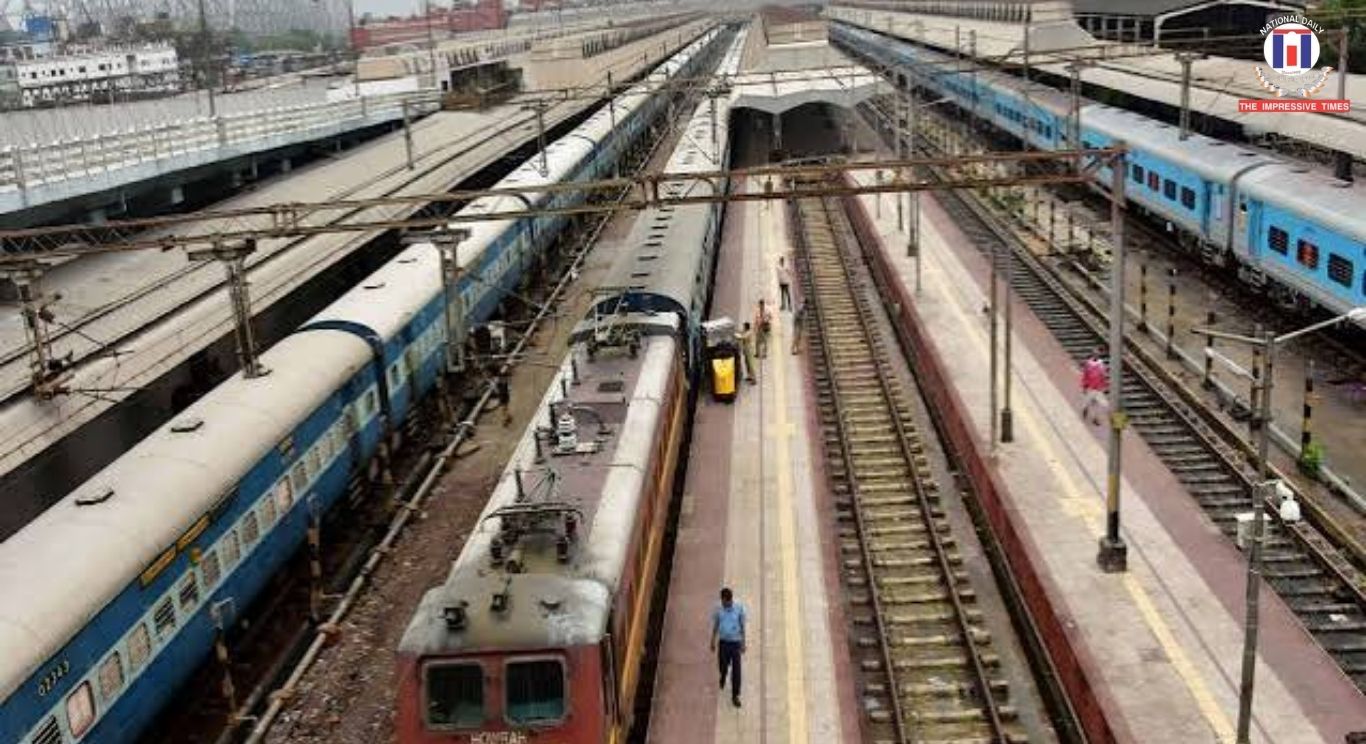
New Delhi, October 13, 2026: Indian Railways registered a 6.14% year-on-year increase in freight loading in September 2026, reflecting sustained demand for rail transportation across major sectors of the economy.
According to the Ministry of Railways, the national transporter loaded 135.35 million tonnes of freight during September 2026, compared with 127.52 million tonnes in the corresponding month last year.
The growth was supported by strong performance across several commodity categories, including food grains, clinker, domestic containers, coal, mineral oil and finished steel.
Food grain loading recorded the highest growth among the major commodity segments, increasing by 25% in September 2026 compared with September 2025.
Other categories also registered growth during the month:
The broad-based increase highlights continued freight movement across agricultural, industrial and energy-related sectors.
Indian Railways strengthened domestic coal transportation to power plants during September 2026 to support fuel availability.
The average number of coal rakes supplied daily increased to 443, compared with 397 in September 2025, marking year-on-year growth of 11.6%.
The increase reflects the rail network’s role in transporting coal to power-generating facilities and supporting the country’s electricity supply requirements.
The growth in freight loading also translated into higher revenue. Indian Railways’ freight revenue in September 2026 increased by ₹1,266 crore compared with September 2025, registering a rise of 9.3%.
The revenue growth exceeded the increase in freight volume, indicating an improvement in freight earnings during the month.
Indian Railways maintained its growth momentum during the first half of the financial year 2026–27.
Cumulative freight loading from April to September 2026 reached 833.7 million tonnes, representing a 4.1% increase over the corresponding period of the previous financial year.
Freight revenue during the six-month period also recorded growth of 3.7%.
The September performance and cumulative figures underline the continued importance of rail freight in India’s logistics network, particularly for transporting food grains, coal, minerals, steel and containerised goods. Sustained growth in these segments remains significant for supporting industrial activity, energy supply and the movement of essential commodities across the country.










































No Comments: