KVIC Boosts Rural Entrepreneurship as Traditional Skills Turn into Profitable Businesses
From Struggles to Success: KVIC is Inspiring Entrepreneurial Journeys

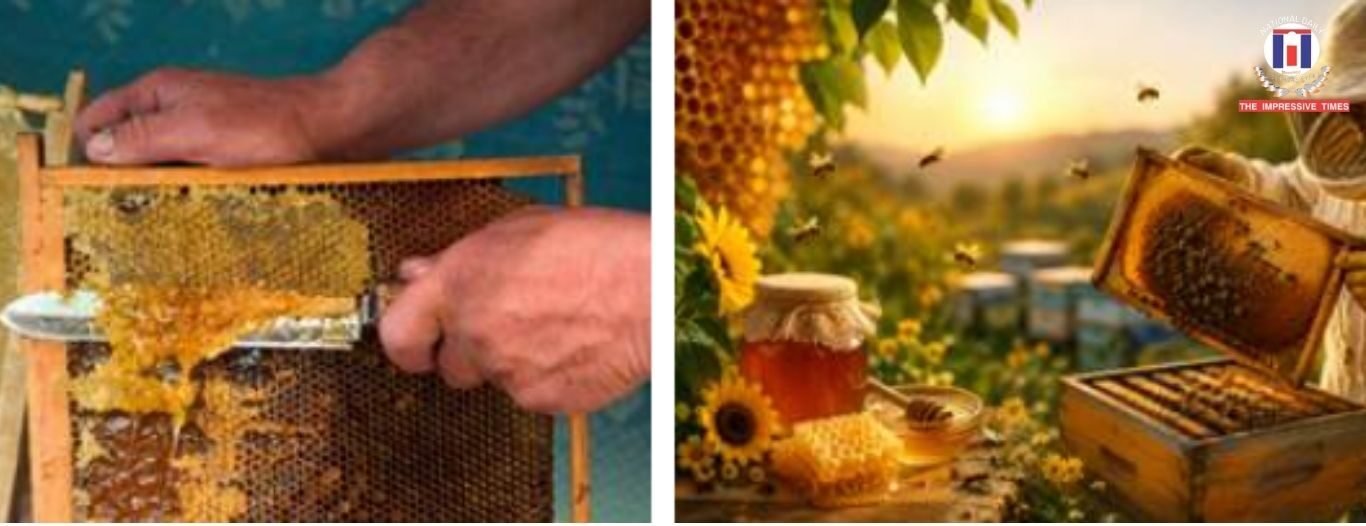
 The Impressive Times
New Delhi- Traditional skills and locally available resources are emerging as a new source of livelihood in rural India, with the Khadi and Village Industries Commission (KVIC) helping artisans and entrepreneurs convert these capabilities into sustainable businesses.
Operating under the Ministry of Micro, Small and Medium Enterprises (MSME), KVIC is providing training, financial assistance, modern equipment, technology and market support to strengthen village-based enterprises. Programmes such as the Khadi Vikas Yojana (KVY), Gramodyog Vikas Yojana (GVY) and Prime Minister’s Employment Generation Programme (PMEGP) are being used to combine traditional expertise with modern entrepreneurial practices.
In Kanyakumari, Tamil Nadu, entrepreneur T. Ajin has developed a honey-based business through his venture, Marthandam Honey Products.
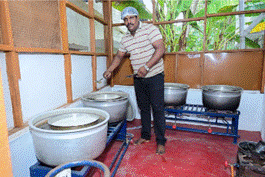
The unit produces AGMARK-certified honey as well as honey combined with dry fruits, adding value to products generated through traditional beekeeping.
Ajin’s work extends beyond his own business. He trains farmers, including people from economically weaker sections and SC/ST communities, in scientific beekeeping methods. He has also participated in programmes at State, regional and district levels and shared information about beekeeping through All India Radio and Doordarshan.
His experience highlights how a rural enterprise can simultaneously generate income and help others develop livelihood opportunities.
Another example comes from B. Sundaraj, who has built an enterprise around vetiver, a naturally aromatic plant.
Through his Pure Health Herbal Agarbathi Unit, Sundaraj manufactures agarbattis, herbal products, vetiver agarbattis and vetiver samburani.
The enterprise received assistance through the Gramodyog Vikas Yojana during 2024–25, enabling improvements in production capabilities and diversification of its product portfolio.
The initiative demonstrates how a locally available resource can become the foundation for a commercially viable rural business when combined with training and institutional support.
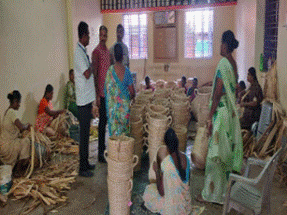

Entrepreneur M. Murugesan has adopted a different approach by using banana fibre to manufacture decorative and utility products.
His Banana Fibre Fancy Articles Making Unit, established under PMEGP and operated through Om Banana Craft Private Limited, converts banana fibre into a range of value-added articles.
His work has received recognition through Central and State Government awards. Murugesan also participates in exhibitions, awareness programmes and training activities while sharing his experience through All India Radio and Doordarshan.
His enterprise showcases the potential of agricultural resources and waste materials to support rural manufacturing and product innovation.
KVIC’s Honey Mission, launched in 2017, has become one of the major initiatives aimed at expanding scientific beekeeping as a livelihood activity.
The programme supports farmers, tribal communities and unemployed youth by providing beekeeping training along with bee boxes, live colonies and necessary equipment.
According to KVIC, approximately 2.46 lakh bee boxes and bee colonies were distributed across India between 2017–18 and 2025–26. The initiative contributed to approximately 5,500 metric tonnes of honey production during 2025–26.
The economic importance of beekeeping extends beyond the sale of honey. Bees are essential pollinators and can contribute to agricultural productivity and biodiversity.
Beekeepers across States including Tamil Nadu, Kerala, Karnataka, Andhra Pradesh, Telangana, Odisha and the North-Eastern region are engaged in honeybee cultivation.
This makes beekeeping a potential component of a wider rural enterprise ecosystem, linking agriculture, natural resources, food products and supplementary income.
The experiences of Ajin, Sundaraj and Murugesan reflect a broader transformation taking place in India’s village industries. Traditional knowledge is increasingly being combined with technology, finance, training and market access to create commercially sustainable enterprises.
Through its various programmes, KVIC is seeking to help rural communities build businesses around their existing skills and resources while encouraging innovation, entrepreneurship and employment generation.
The approach aims to strengthen village industries as an important contributor to rural livelihoods, local value addition and entrepreneurship-led economic growth.



























No Comments: