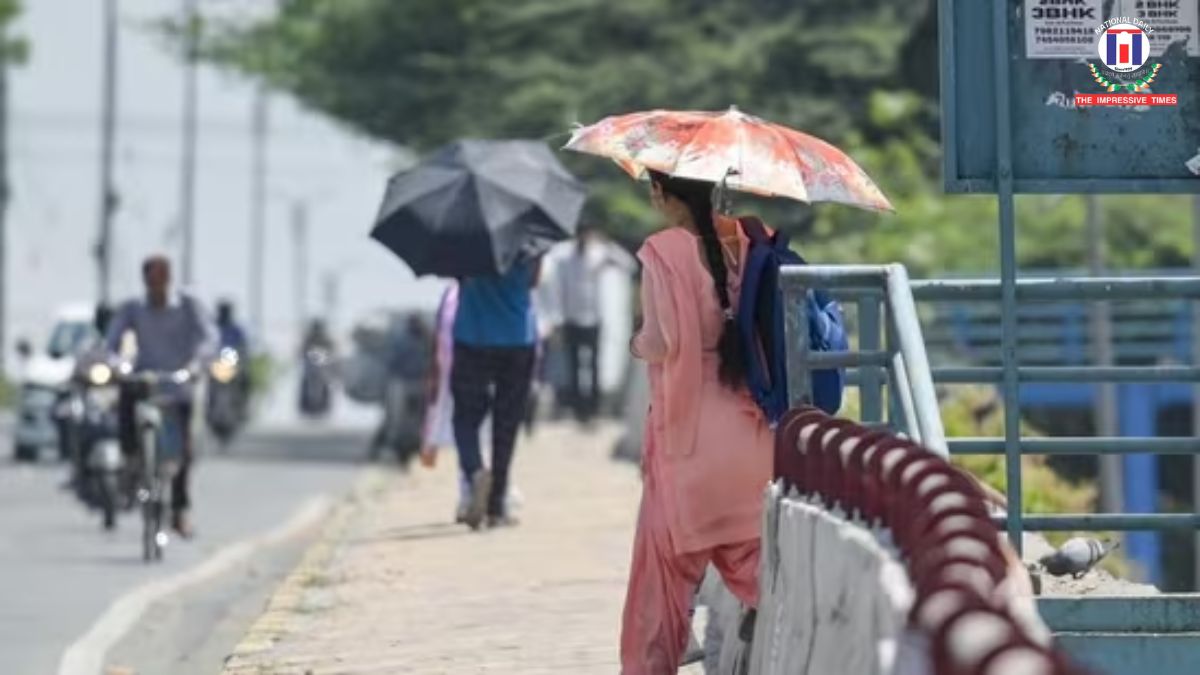
New Delhi: A new satellite-based assessment has flagged a sharp warming trend across the national capital, showing that Delhi’s land surface has become significantly hotter over the past decade, with densely built neighbourhoods facing the steepest increases.
The analysis, based on ward-level observations across the city, found that average land surface temperature in March rose from 29.1°C in 2015 to 32°C in 2026, indicating an increase of nearly 3°C. Researchers say the rise reflects mounting pressure from urban expansion, vanishing green cover and the spread of heat-retaining built surfaces.
Several southern and southeastern pockets recorded some of the most dramatic increases. Areas such as Sangam Vihar, Meethapur, Madangir and Tigri emerged among the fastest-warming zones, underscoring the growing impact of dense construction and reduced ecological buffers.
The report also identified significant temperature disparities across Delhi, with some neighbourhoods considerably hotter than others during the same period. Mahipalpur and Harkesh Nagar ranked among the warmest locations in March, while Nangal Thakran remained comparatively cooler.
Experts said the variation highlights the growing urban heat island effect, where concrete-heavy zones absorb and retain more heat than greener or less developed areas.
The findings align with broader temperature trends recorded by the India Meteorological Department, which has also documented a sustained rise in Delhi’s March maximum temperatures over the years.
Researchers further pointed to persistent heat stress conditions during peak summer months, noting that in May and June, all wards in Delhi have repeatedly fallen within high heat stress thresholds. In some locations, surface temperatures have reportedly climbed above 50°C.
Neighbourhoods including Anand Vihar, Badarpur, Sarita Vihar, Tughlakabad and Isapur were among areas flagged for severe summer heat exposure.
Climate experts say the data strengthens the case for ward-level adaptation measures rather than citywide blanket responses. Suggested interventions include expanding tree cover, protecting water bodies, increasing reflective surfaces, and redesigning urban infrastructure to reduce heat retention.
The study warns that without targeted planning, rising surface temperatures could worsen health risks, strain energy demand and deepen vulnerability in already heat-stressed communities.

 The Impressive Times









































No Comments: