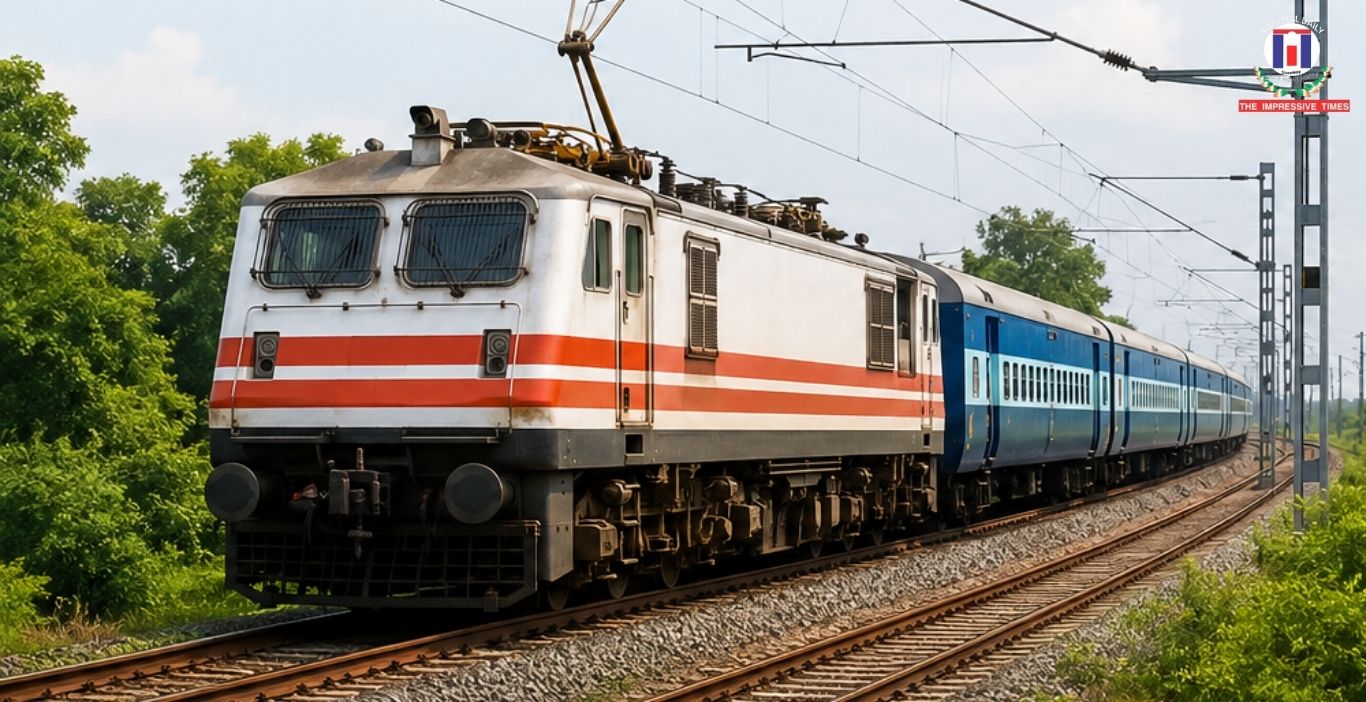
According to information shared in the Lok Sabha by Union Railway Minister Ashwini Vaishnaw, Indian Railways has electrified 48,072 route kilometres between 2014 and 2026, more than double the 21,801 route kilometres electrified over the six decades before 2014. The remaining sections of the broad gauge network are currently under electrification, while all new railway line and multi-tracking projects are being developed with electric infrastructure from the outset.
The large-scale shift to electric traction has significantly reduced Indian Railways’ dependence on diesel. Diesel consumption for train operations has declined from 293 crore litres in 2015-16 to 108 crore litres in 2024-25, resulting in savings of nearly 185 crore litres. This has reduced fuel imports, saved foreign exchange and contributed to lower carbon emissions.
Rail transport also continues to be one of the most environmentally friendly modes of transportation. According to a NITI Aayog report, railways emit only 11.5 grams of CO₂ per tonne per kilometre, compared to 101 grams for road transport, making rail nearly 89% cleaner than road-based freight movement.
To further strengthen sustainable operations, Indian Railways is increasing the use of renewable energy. As of June 2026, it has commissioned around 1,161 MW of solar power capacity and 103 MW of wind power, supporting its long-term goal of reducing its carbon footprint through clean energy.
The Railway Ministry said Mission 100% Electrification remains one of the country’s most ambitious infrastructure programmes, involving electrification of active railway lines while maintaining uninterrupted train services. Project monitoring systems, assured funding and enhanced powers for field units have been introduced to speed up execution.
Most railway zones and several states, including Uttar Pradesh, Bihar, Madhya Pradesh, Andhra Pradesh, Gujarat, Maharashtra, Delhi and Telangana, have already achieved 100% railway electrification, marking a major milestone in India’s transition towards a cleaner, faster and more energy-efficient rail network.
























No Comments: