NITI Aayog Unveils Bioeconomy Roadmap, Targets USD 691 Billion Sector by 2035
Union Minister Jitendra Singh says India is poised to become a global biotechnology leader with millions of new jobs and a mission-driven growth strategy.

 The Impressive Times
New Delhi, July 16: India has set an ambitious target of transforming its biotechnology sector into a USD 691 billion bioeconomy by 2035, with the potential to generate more than 30 million skilled jobs and establish the country among the world’s top biotechnology destinations.
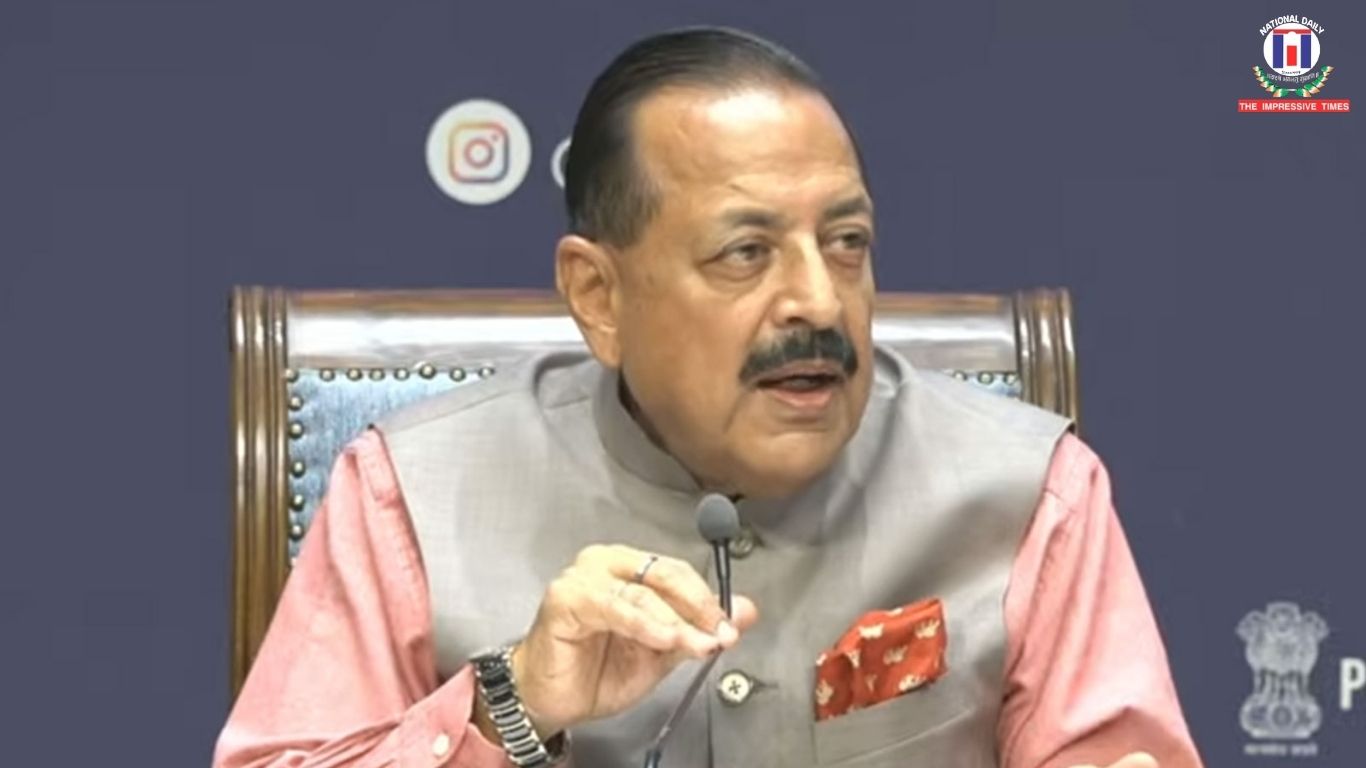
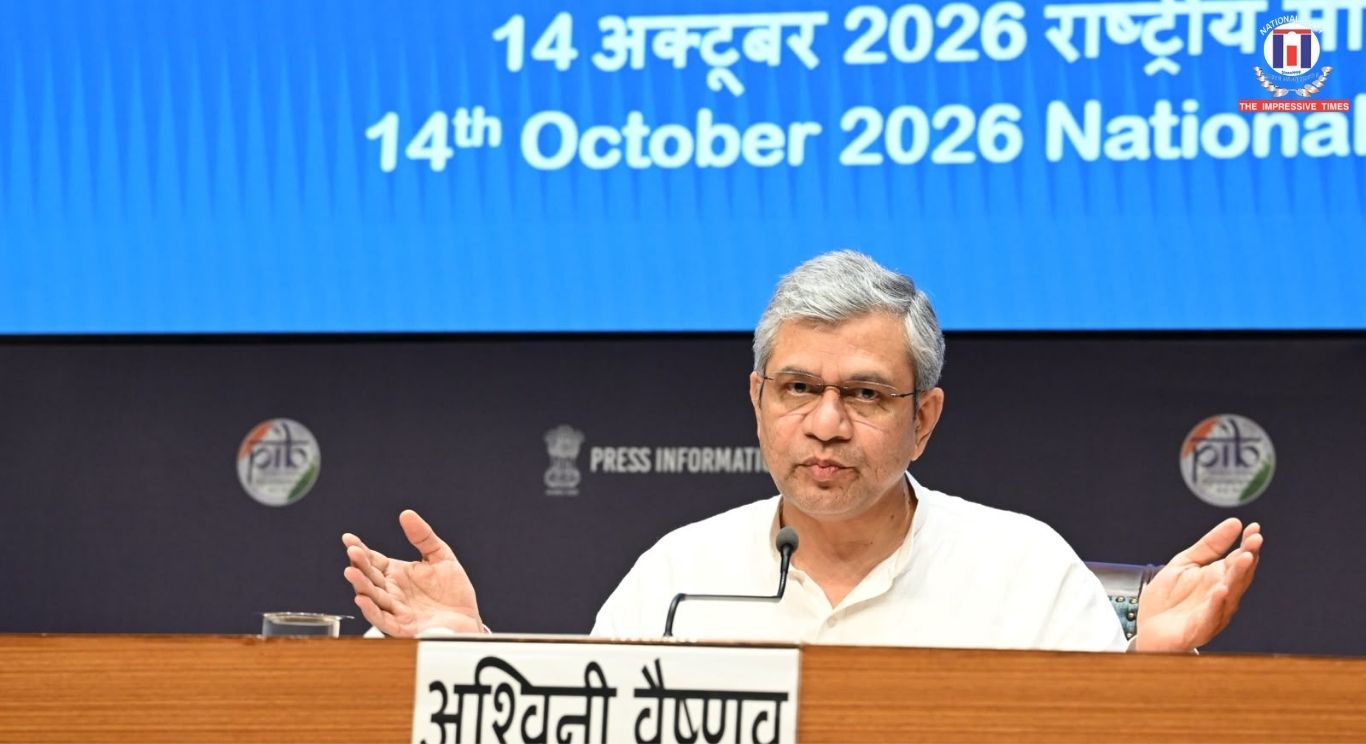
The vision was outlined in NITI Aayog‘s “Roadmap for Building India as a Leading Bioeconomy Powerhouse by 2035,” released on Thursday by Union Minister of State (Independent Charge) for Science and Technology, Dr Jitendra Singh.
Speaking at the launch, Singh said biotechnology is emerging as a key driver of the next industrial era and asserted that India is prepared to play a leading global role in this rapidly evolving sector. He noted that the country has already built a strong innovation ecosystem with over 11,000 biotechnology startups and is among the few nations to have introduced a dedicated biotechnology policy.
According to the roadmap, India’s bioeconomy is expected to expand further to USD 2.6 trillion by 2047, contributing 8-10 per cent of the country’s GDP. The strategy focuses on accelerating growth through advanced biomanufacturing, artificial intelligence-powered biotechnology, policy reforms and deeper collaboration between industry, academia and research institutions.
To achieve these goals, the roadmap proposes the launch of six National BioMissions covering critical sectors such as gene and cell therapies, climate-resilient agriculture, synthetic biology, marine biotechnology, disease surveillance and advanced biopharmaceuticals.
A major recommendation is the creation of a Rs 50,000-crore BioEconomy Growth Fund for the period between 2026 and 2035. The proposed fund aims to help convert scientific research into commercially viable technologies while supporting manufacturing, innovation and startup growth. It also advocates production-linked incentives (PLI), simplified regulatory processes and stronger protection for intellectual property.
Highlighting the importance of skilled manpower, Dr Singh announced that India will introduce its first engineering biology academic programme, describing it as a crucial step in building a self-reliant biotechnology ecosystem capable of meeting future global demands.
The report highlights the rapid expansion of India‘s bioeconomy over the past decade, growing from USD 10 billion in 2014 to USD 195.3 billion in 2025, with its contribution to the national economy reaching 4.8 per cent of GDP.
Dr Singh said a robust biotechnology sector would strengthen India’s health and food security, create millions of high-value employment opportunities, encourage indigenous innovation and enhance the country’s global strategic influence.











































No Comments: