National Cooperation Policy-2025 Implementation Roadmap Discussed at First Monitoring Committee Meeting
Strong, transparent and modern cooperative institutions will energise the rural economy and contribute significantly to Viksit Bharat @2047: Dr. Ashish Kumar Bhutani
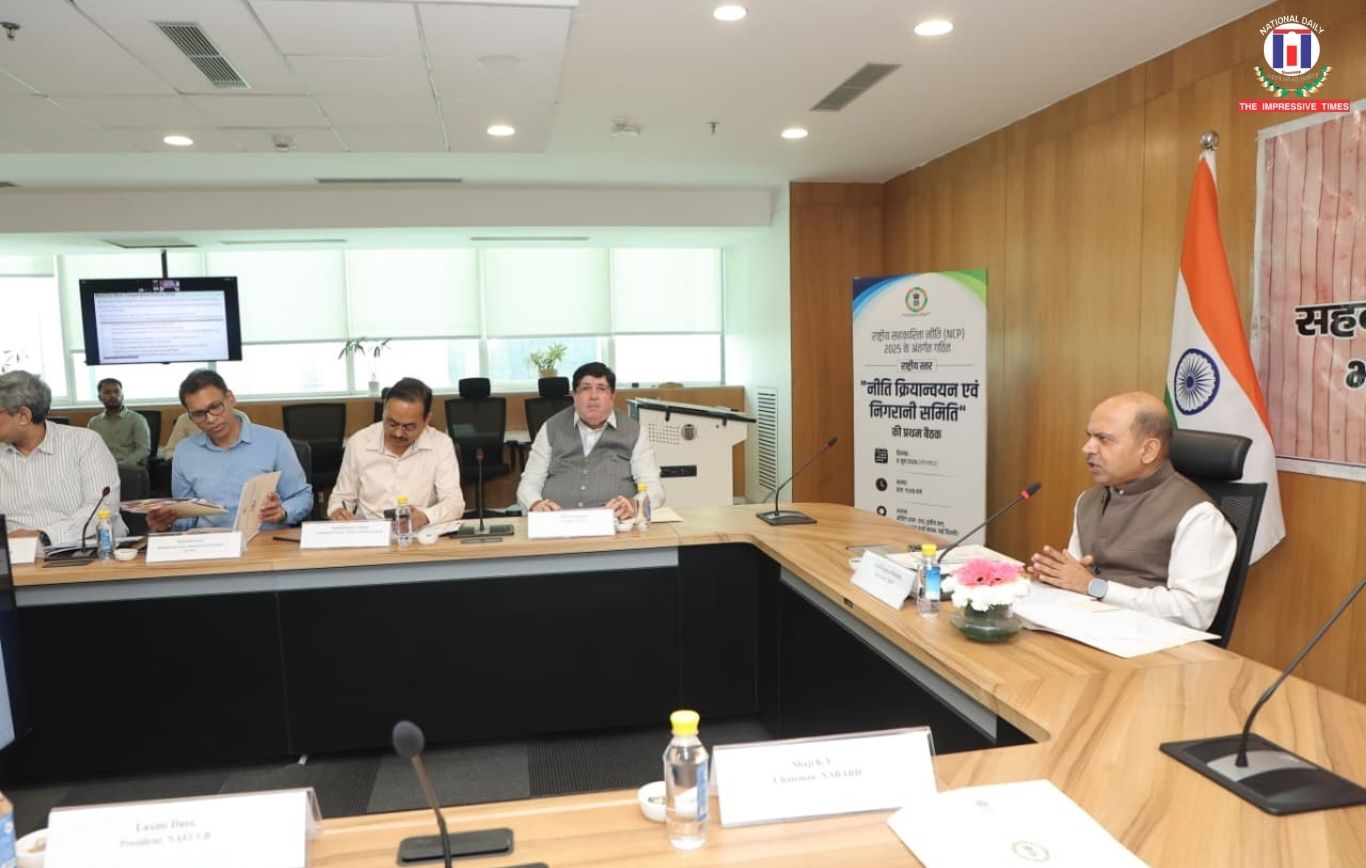
New Delhi, June 9, 2026: The first meeting of the National Level Policy Implementation and Monitoring Committee constituted under the National Cooperation Policy-2025 was held in New Delhi on Monday to chart a roadmap for the effective implementation of the policy across the country.
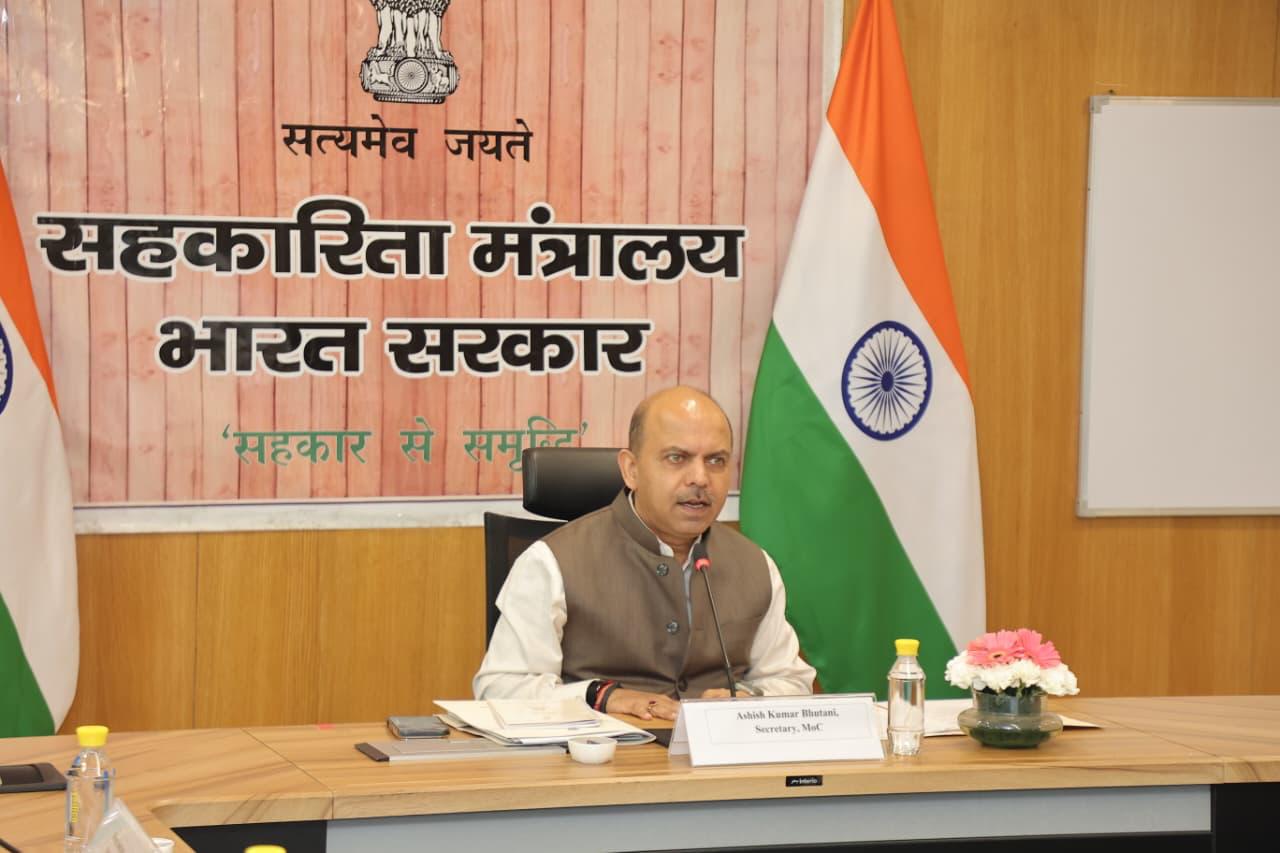
The meeting, chaired by Dr. Ashish Kumar Bhutani, Secretary, Ministry of Cooperation and Chairperson of the Committee, focused on strengthening cooperative institutions through coordinated efforts involving Central Ministries, State Governments, Union Territories, and national cooperative organizations.
The Committee deliberated on strategies to promote transparent, technology-driven, professionally managed, and member-centric cooperatives in line with Prime Minister Narendra Modi’s vision of “Sahkar se Samriddhi”. Discussions centered on institutional strengthening, digital transformation, capacity building, membership expansion, and fostering inclusive and sustainable economic growth through the cooperative sector.
Addressing the gathering, Dr. Bhutani emphasized that modern, transparent, and efficient cooperative institutions would provide fresh momentum to the rural economy and play a vital role in achieving the goal of Viksit Bharat @2047. He noted that the National Cooperation Policy-2025 offers a comprehensive framework for transforming cooperatives into competitive and future-ready economic entities.
The Committee reviewed the policy’s six strategic pillars, which include strengthening the cooperative ecosystem, enhancing competitiveness, preparing cooperatives for future challenges, expanding inclusiveness, promoting cooperatives in emerging sectors, and encouraging greater participation of young people in cooperative development.
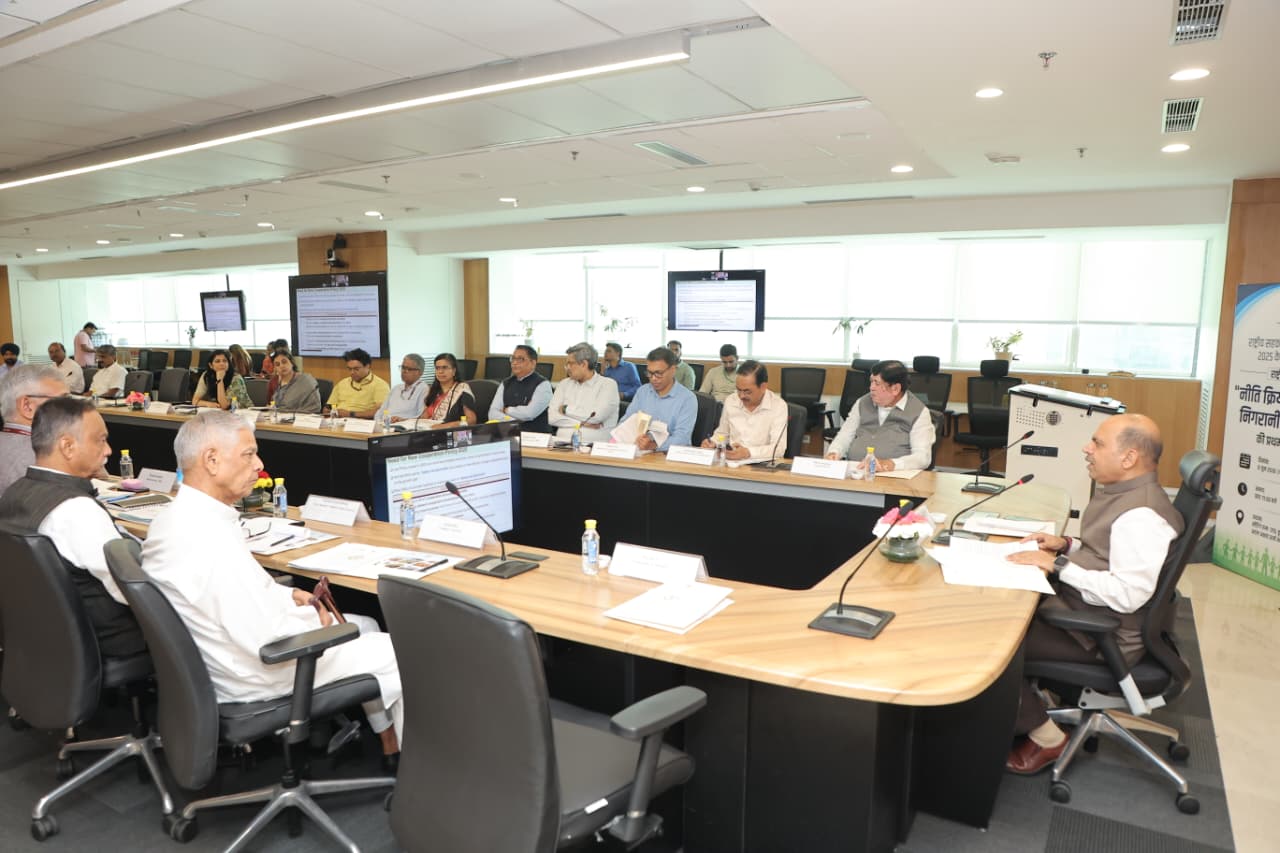
A coordinated action plan involving various ministries and departments, including Rural Development, Panchayati Raj, Agriculture, Fisheries, Animal Husbandry, and Food Processing Industries, was also discussed to ensure seamless implementation of policy objectives.
Key initiatives reviewed during the meeting included the transformation of Primary Agricultural Credit Societies (PACS) into multipurpose service centers, the creation of model cooperative villages in every district, expansion of dairy and fishery cooperatives, implementation of ERP-based management systems, data-driven governance, and enhanced cybersecurity measures within the cooperative sector.
The Committee also assessed progress on major reforms such as the National Cooperative Database, computerization of PACS, establishment of Tribhuvan Sahkari University, and the formation of national cooperative entities including National Cooperative Exports Limited, National Cooperative Organics Limited, and Bharatiya Beej Sahakari Samiti Limited.
Special emphasis was placed on increasing cooperative membership, strengthening the sector’s contribution to the economy, and ensuring greater participation of women, youth, and small farmers. The policy envisions expanding cooperative membership to 50 crore by 2035 while significantly enhancing the sector’s economic contribution.
The meeting further highlighted the importance of innovation, startup promotion, skill development, leadership creation, and cooperative education. The role of Tribhuvan Sahkari University in advancing training, research, and capacity-building initiatives was also reviewed.
Participants underscored the need for accelerated digital transformation through strengthened databases, cooperative ranking frameworks, digital platforms, and data-based monitoring systems. The Committee concluded that successful implementation of the National Cooperation Policy-2025 would require a whole-of-government approach, ensuring active collaboration among the Centre, States, cooperative institutions, and stakeholders nationwide.







































No Comments: