
 The Impressive Times
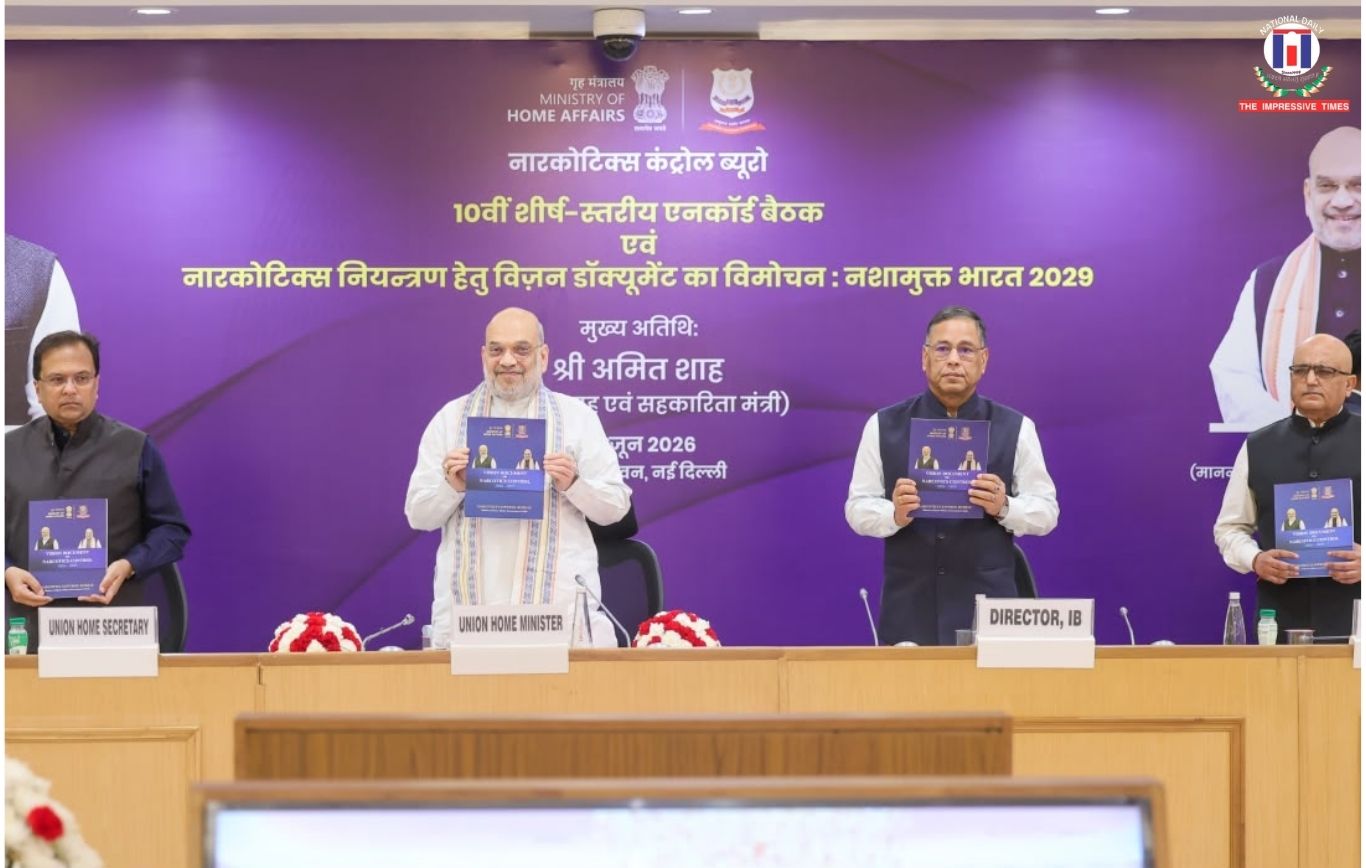
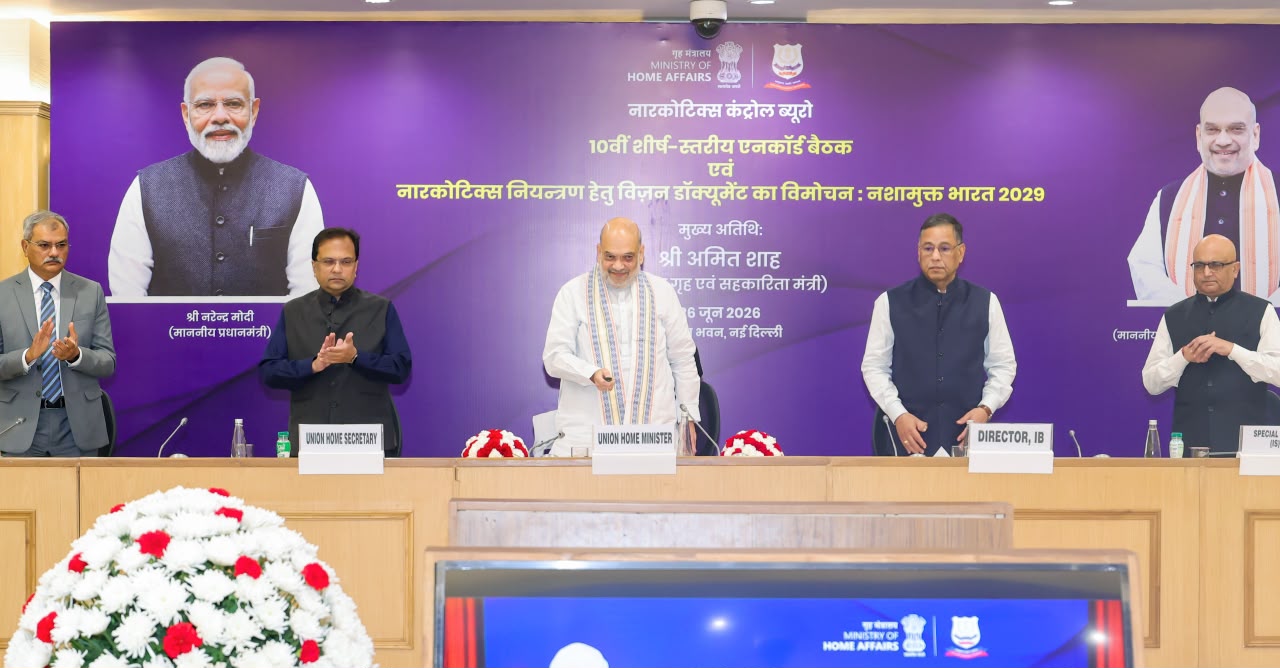
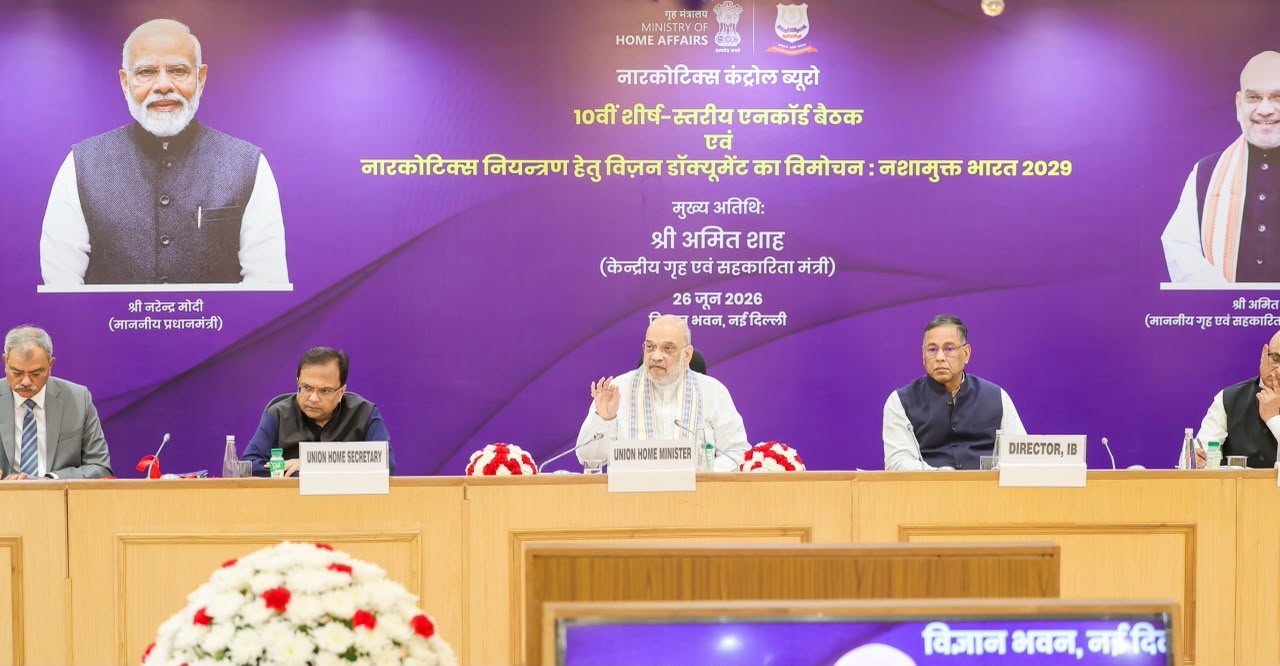
NEW DELHI, 26 JUNE: Drug-Free India
The Roadmap provides a time-bound national strategy to substantially dismantle the narcotics drug ecosystem and protect future generations through coordinated action against trafficking, abuse, illicit finance and organised criminal networks.
More than 40 Ministries, Central Agencies, State Governments, District Administrations, educational institutions, civil society organisations and citizens will work together under a common national framework against drugs.
Enforcement efforts will shift from targeting individual carriers to identifying, investigating and dismantling complete drug trafficking networks, including suppliers, financiers, handlers, facilitators and organised criminal syndicates.
A mission-mode campaign will identify and dismantle 100 major interstate and transnational drug cartels through intelligence-led investigations, coordinated operations, financial disruption and effective prosecution.
Mandatory financial investigations in major drug cases, attachment of illicit assets and enhanced use of PITNDPS will target drug kingpins and dismantle the financial foundations of trafficking networks.
Advanced surveillance systems, anti-drone technologies, AI-enabled profiling, container scanning and enhanced inter-agency coordination will strengthen interdiction capabilities across land, sea and air trafficking routes.
Special focus will be placed on methamphetamine, mephedrone and emerging synthetic drugs through strengthened precursor controls, intelligence-led operations and disruption of clandestine manufacturing and trafficking networks.
Chemical and pharmaceutical industries will be encouraged to adopt voluntary compliance measures, report suspicious transactions and actively assist authorities in preventing diversion of chemicals and pharmaceutical products.
Enhanced intelligence gathering, specialised training and coordinated enforcement operations will target clandestine laboratories manufacturing synthetic drugs and dismantle criminal networks supporting illegal drug production.
The NDPS Act and Rules will be updated to address emerging challenges. and address regulatory gaps while promoting a more reformative approach towards persons consuming drugs or suffering from addiction
Regulatory reforms under the Drugs and Cosmetics framework will strengthen pharmacy oversight, improve traceability and prevent diversion of prescription medicines for abuse as psychotropic substances.
De-addiction, counselling, treatment and rehabilitation facilities will be expanded to improve accessibility, support recovery and facilitate social reintegration of persons affected by substance abuse.
The nationwide awareness campaign will aim to reach over 50 crore citizens through educational institutions, community organisations and public participation, transforming drug prevention into a people’s movement.
Higher educational institutions will promote drug-free campuses through awareness, counselling, early intervention and pilot preventive drug screening initiatives as part of comprehensive student wellness programmes.
Youth organisations, educational institutions and sports bodies will be mobilised to promote healthy lifestyles, strengthen resilience against substance abuse and create drug-free communities across the country.







































No Comments: