Jharkhand Minister Shilpi Neha Tirkey Rejects BJP Claims Over Student Protest
Shilpi Neha Tirkey says the Jharkhand government remains in talks with protesting students and dismisses BJP allegations as politically motivated.

 The Impressive Times
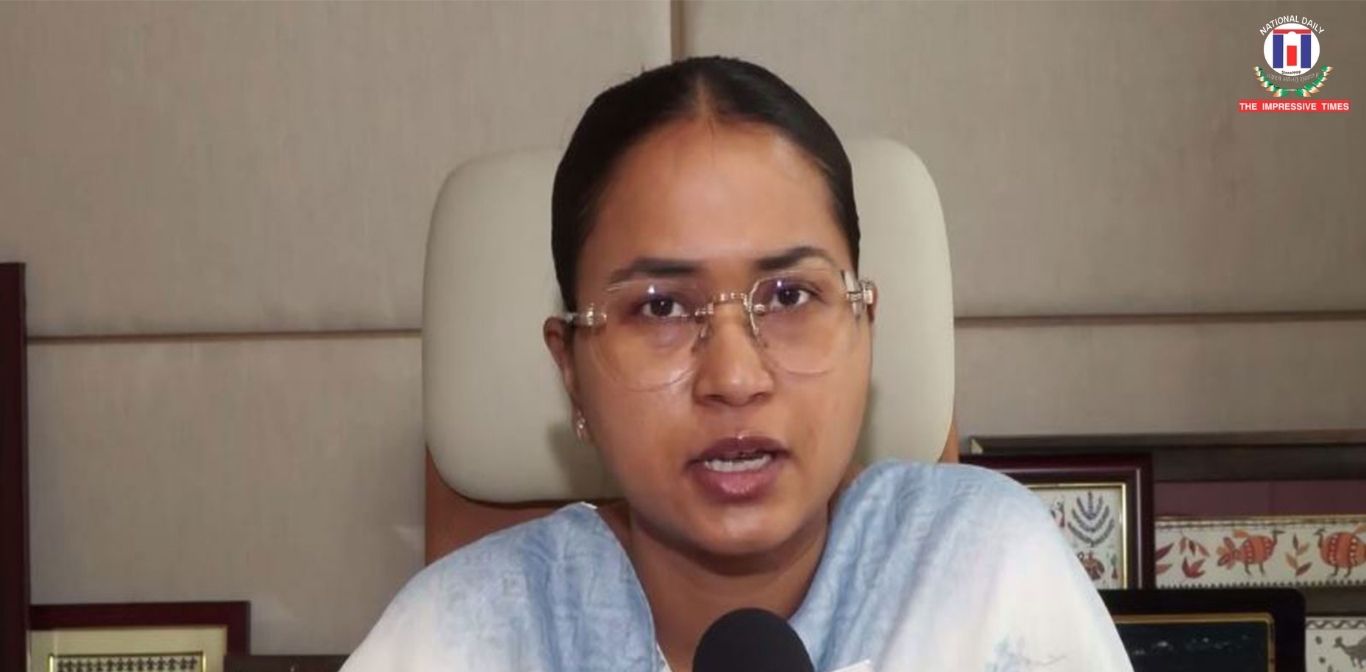
Ranchi, August 14, 2026; Jharkhand Minister Shilpi Neha Tirkey on Friday rejected the Bharatiya Janata Party’s allegations over the ongoing student agitation, saying the state government remains in dialogue with student representatives and is working on demands that have already been agreed upon.
Tirkey said the government has been maintaining contact with students involved in the protest and appealed to those observing a hunger strike to give the administration sufficient time to implement the commitments reached during discussions.
She also accused the BJP of attempting to gain political mileage from the agitation. According to the minister, students continue to remain alert and the government is directly communicating with their representatives to address their concerns.
The minister also clarified her earlier remarks concerning a delegation that met the government. She said her statement had been misrepresented on social media and by the JPSC-JSSC Reform Forum.
Tirkey explained that students who were on hunger strike were not part of the delegation that met government representatives. She said their presence could have enabled direct discussions with the fasting protesters and potentially helped resolve their health-related concerns.
The agitation has been driven largely by aspirants seeking changes in the recruitment system and action over alleged irregularities in the Jharkhand Public Service Commission and Jharkhand Staff Selection Commission examinations. Protesters have demanded cancellation of the JSSC Combined Graduate Level examination, a CBI investigation into alleged irregularities and broader recruitment reforms.
Turning to the Mines and Minerals (Development and Regulation) Amendment Bill, 2026, Tirkey accused the BJP-led Centre of acting against Jharkhand’s financial interests. She claimed the legislation could result in losses of around Rs 10,000 crore for the state and affect the implementation of several development programmes.
Tirkey also backed Chief Minister Hemant Soren’s decision to approach national leaders over the legislation. She said Jharkhand was prepared to challenge the issue through constitutional and political platforms while keeping channels of dialogue open.
JMM MP Vijay Kumar Hansdak also criticised the amendment, arguing that mineral-rich states could face significant financial consequences. He alleged that successive changes in mining laws had reduced the role of states and benefited large corporate interests.
The MMDR Amendment Bill, 2026, was passed by the Rajya Sabha during the final day of the Monsoon Session after receiving approval from the Lok Sabha earlier in the week. The legislation proposes changes to the mining framework, including provisions concerning multiple minerals under existing leases, exploration funding and the sale of minerals produced from captive mines.
























No Comments: