Union Ministers Hardeep Singh Puri and Nitin Gadkari Launch India’s First Flex-Fuel Passenger Vehicle
If 50% of all new two-wheelers and four wheelers sold in India runs on Flex-Fuel, it can generate ₹12,403 crore additional income for farmers: Hardeep Singh Puri
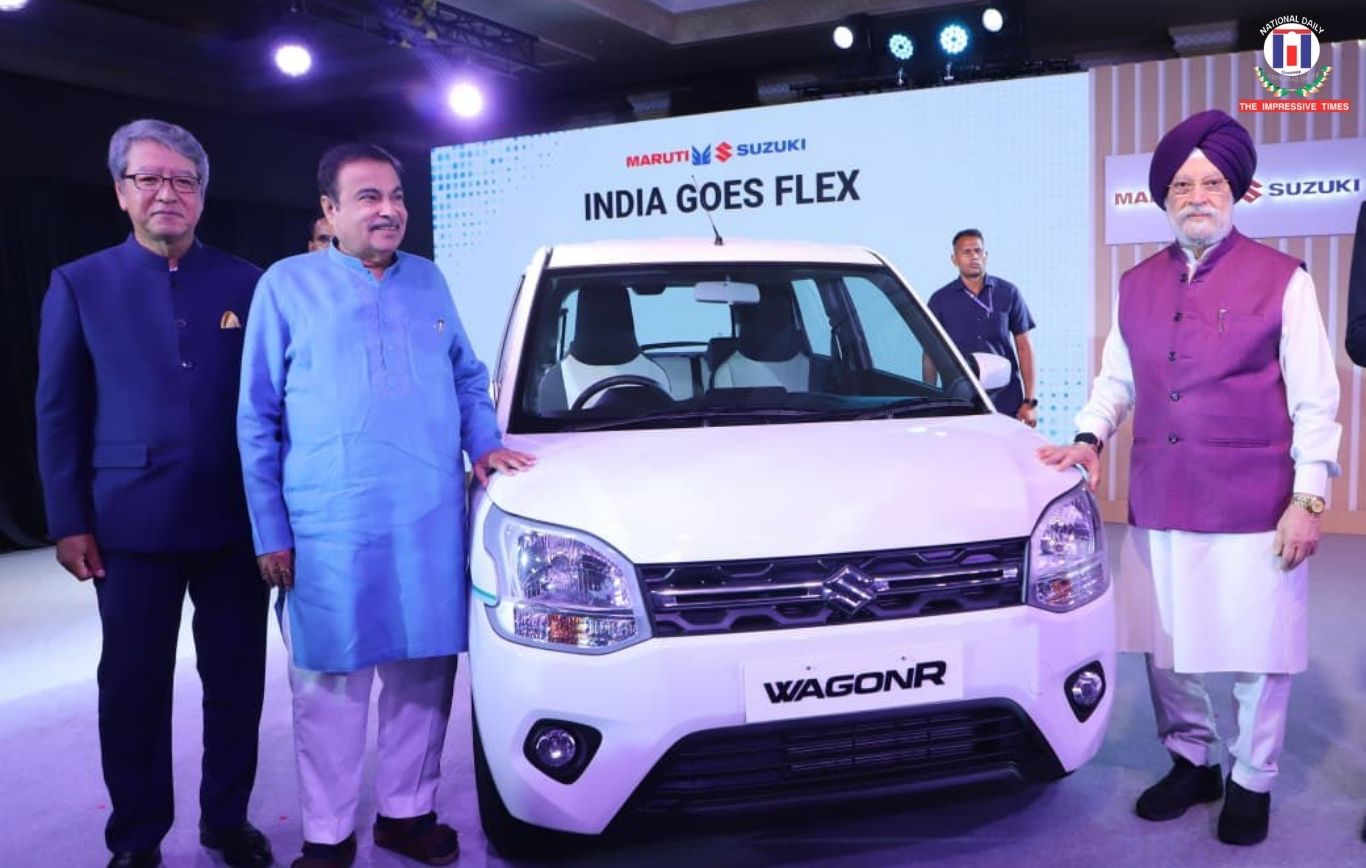
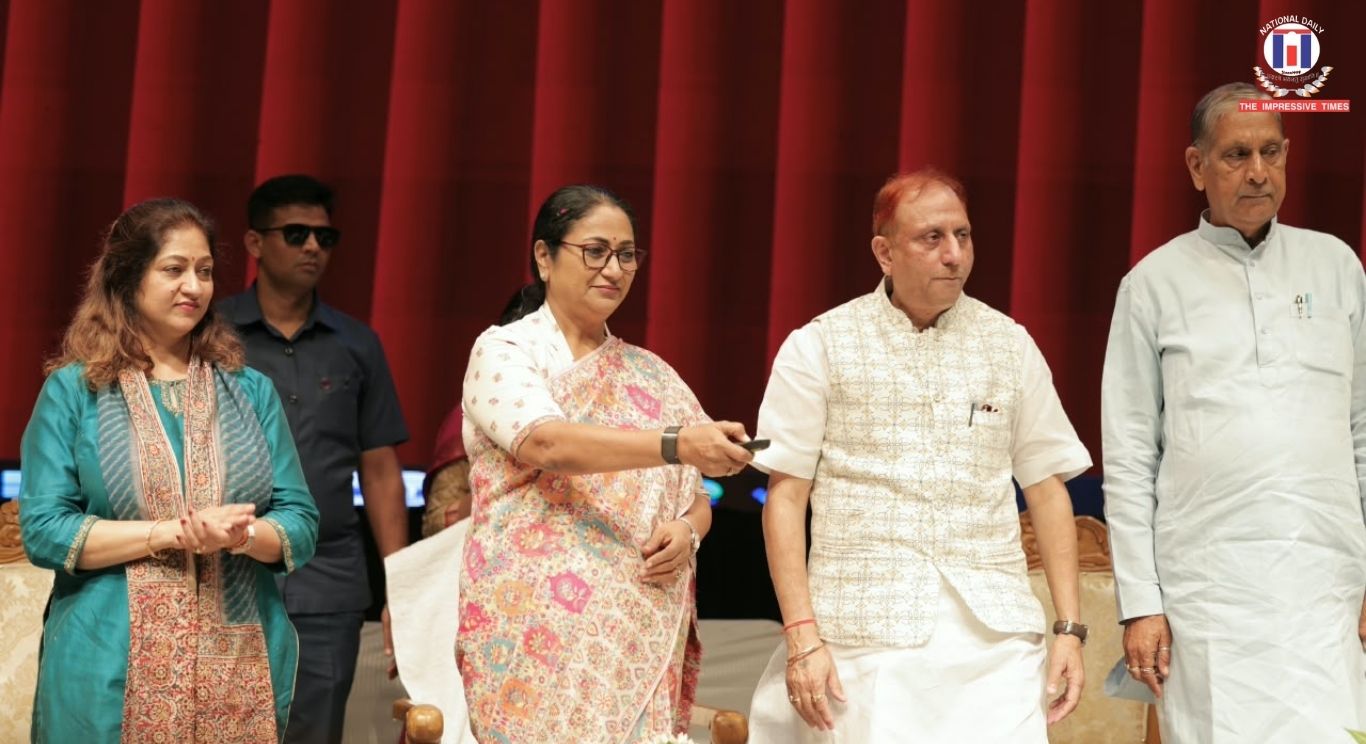
New Delhi, June 4: Union Petroleum and Natural Gas Minister Hardeep Singh Puri on Thursday launched India’s first flex-fuel passenger vehicle, manufactured by Maruti Suzuki, marking a significant step in the country’s clean energy transition and efforts to reduce dependence on imported crude oil.
Union Road Transport and Highways Minister Nitin Gadkari was also present at the launch event held in New Delhi.
Flex-fuel vehicles are capable of running on varying blends of ethanol and petrol, ranging from E20 to E100, providing consumers with a cleaner and more sustainable fuel alternative.
Speaking on the occasion, Puri said the introduction of flex-fuel technology in the passenger vehicle segment represents a major milestone in India’s journey towards energy security, environmental sustainability and self-reliance.

He noted that India currently has nearly 3.7 million passenger vehicles and large-scale adoption of flex-fuel technology in this segment could significantly increase ethanol consumption while reducing dependence on fossil fuels.
Highlighting India’s energy resilience, the minister said the country successfully maintained uninterrupted supplies of petroleum products despite recent global disruptions and geopolitical tensions. He pointed out that India ensured continuous availability of LPG, crude oil and natural gas across the country without any major shortages.
Puri credited Prime Minister Narendra Modi’s leadership for balancing the three pillars of India’s energy strategy—availability, affordability and sustainability.

On fuel affordability, he said India witnessed one of the lowest increases in fuel prices globally despite international energy market volatility. He also recalled the Centre’s decision to reduce excise duty on petrol and diesel to provide relief to consumers.
The minister highlighted the remarkable success of India’s ethanol blending programme, stating that ethanol blending has increased from less than 1.5 per cent in 2013-14 to 20 per cent in 2025-26, achieving the national target five years ahead of schedule.
He said ethanol procurement has grown from around 38 crore litres in 2013-14 to over 1,040 crore litres currently, while production capacity has expanded nearly fivefold to around 2,000 crore litres.

According to the minister, if 50 per cent of all newly sold two-wheelers and four-wheelers become flex-fuel compatible, it could generate additional demand for over 311 crore litres of ethanol and provide nearly ₹12,403 crore in extra income for Indian farmers. The shift could also help reduce carbon dioxide emissions by around 66.4 lakh metric tonnes.
Puri noted that India can now produce ethanol from multiple feedstocks, including agricultural waste, grains, bamboo and seaweed, creating new income opportunities for farmers while supporting environmental goals.
The government has also unveiled an ambitious roadmap to develop a nationwide flex-fuel ecosystem. The plan includes the rollout of 50 to 100 E85 fuel outlets in major corridors such as Delhi-NCR and Mumbai-Pune-Nagpur initially, expanding to around 500 outlets by the end of 2026 and nearly 5,000 outlets across major cities by 2027.
The minister said supportive measures such as road tax concessions, dedicated fuel infrastructure, consumer awareness campaigns and special identification systems for flex-fuel vehicles are also being planned to accelerate adoption.
Referring to recent launches of flex-fuel motorcycles and passenger vehicles, Puri said India is entering a new phase of clean mobility powered by domestic innovation, farmer participation and sustainable fuel alternatives.
He urged automobile manufacturers to introduce more flex-fuel vehicle models and called upon oil marketing companies to rapidly expand E85 fuel availability across the country, strengthening India’s journey towards cleaner transportation and energy independence.


















No Comments: