Madhya Pradesh HC Declares Bhojshala as Saraswati Temple, Ends ASI’s 2003 Shared Worship Arrangement
Court upholds Hindu claim citing historical and archaeological evidence, keeps ASI in charge of conservation, and suggests alternative land for mosque construction in Dhar district
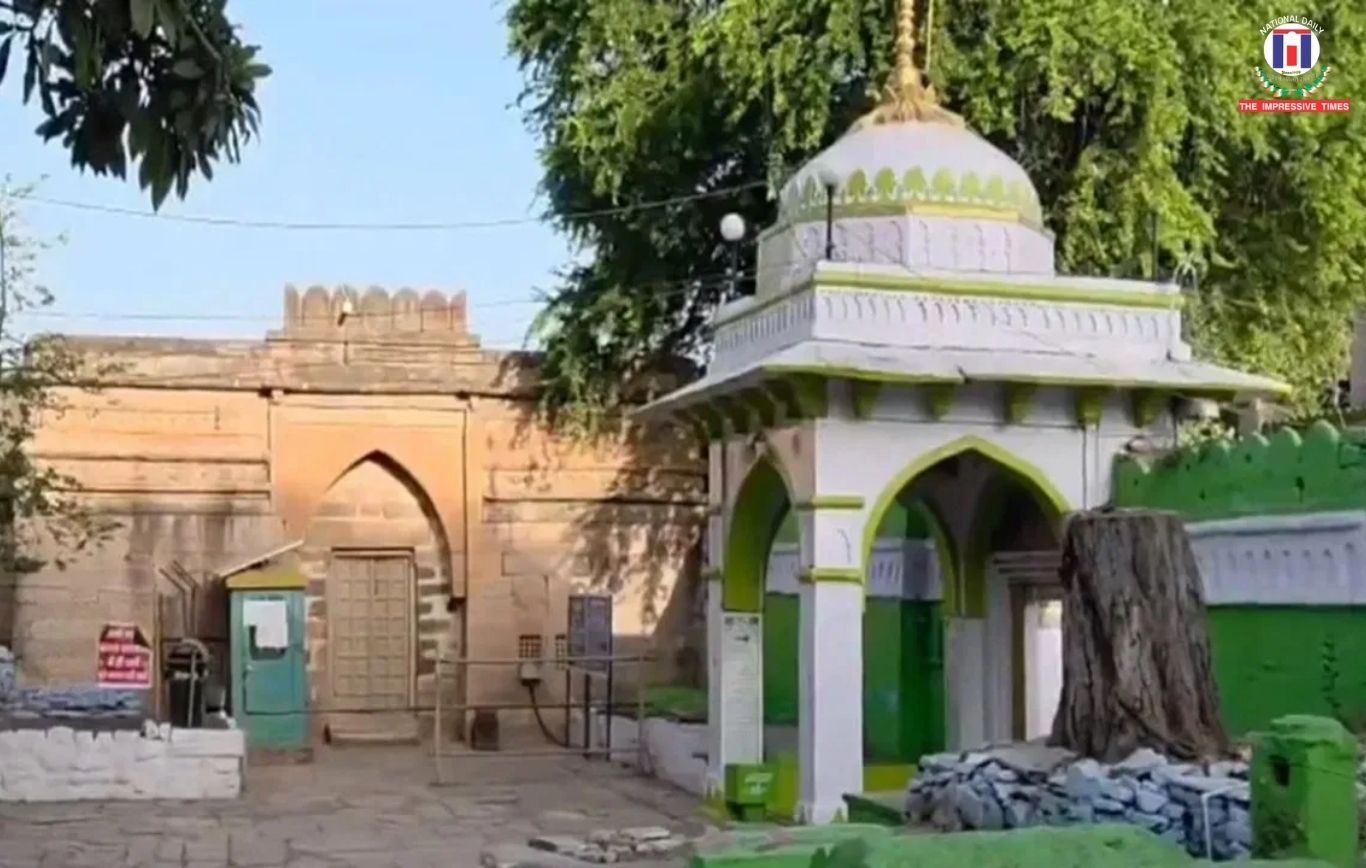
News Article: In a significant ruling that may reshape a long-standing religious dispute, the Madhya Pradesh High Court has declared the Bhojshala complex in Dhar as a temple dedicated to Goddess Vagdevi Saraswati, ending the decades-old arrangement that allowed shared worship at the site.
A division bench comprising Justice Vijay Kumar Shukla and Justice Alok Awasthi observed that historical records, inscriptions, and archaeological findings strongly support the site’s identity as a Saraswati temple linked to King Bhoj, the Parmar ruler known for promoting Sanskrit learning in the region.
The court also invalidated the 2003 arrangement of the Archaeological Survey of India, which had permitted Hindus to offer prayers on Tuesdays and Muslims to perform namaz on Fridays at the protected monument.
The bench noted that continuous Hindu worship practices, though regulated over time, indicate the site’s long-standing association with Hindu tradition. It further stated that literary and historical evidence consistently points to Bhojshala being a centre of learning dedicated to Goddess Saraswati.
With this ruling, the earlier ASI-managed system of dual religious access stands cancelled, bringing a major shift in how the site will be accessed going forward.
While affirming the Hindu religious character of the site, the court also directed the state government to consider providing suitable land in Dhar district if the Muslim side applies for construction of a mosque, aiming to maintain communal balance.
ASI to Continue Preservation Role
The court clarified that the ASI will continue to be responsible for the protection and maintenance of the monument under heritage laws, ensuring its structural and archaeological preservation.
Background of the Dispute
The Bhojshala-Kamal Maula dispute revolves around competing claims over the 11th-century structure in Dhar. Hindu groups consider it a temple of Goddess Saraswati, while Muslim groups identify it as the Kamal Maula Mosque. Jain groups have also raised historical claims regarding associated idols.
The conflict has been under judicial consideration for years, including ASI surveys and multiple petitions filed before the High Court.




















No Comments: