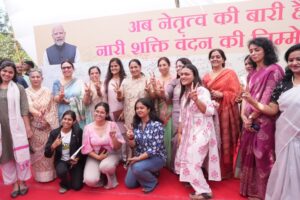
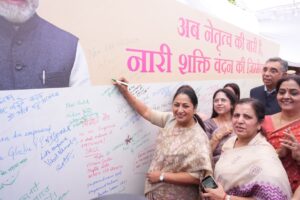
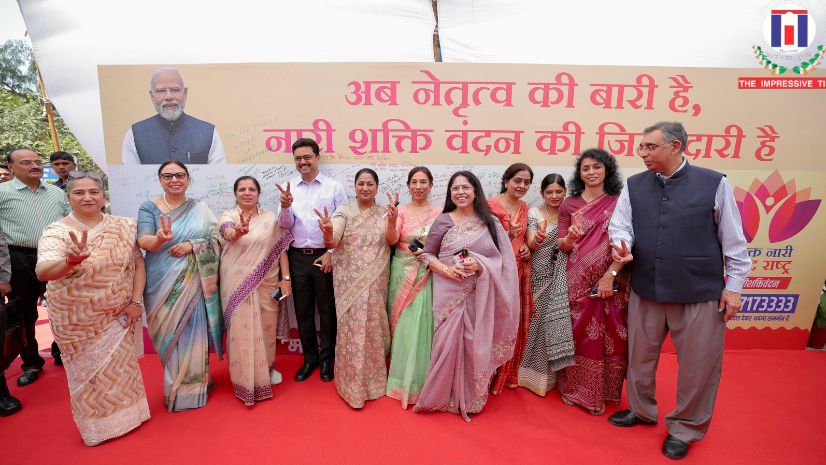
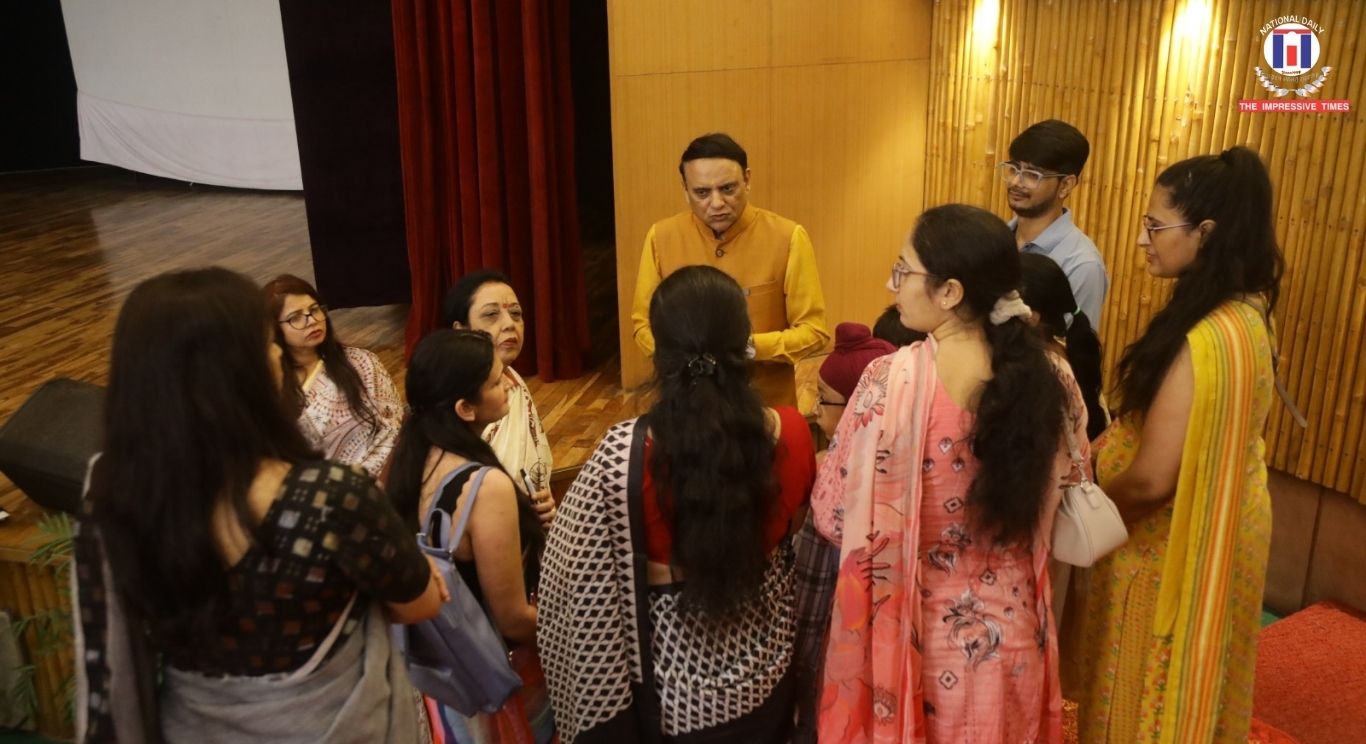
New Delhi, April 10, 2026: Delhi Chief Minister Rekha Gupta on Friday participated in a signature campaign at the Arts Faculty of Delhi University in support of the Nari Shakti Vandan Act, reinforcing her government’s focus on strengthening women’s participation in governance and decision-making.

Addressing students and faculty members, the Chief Minister stressed that meaningful social progress can only be achieved when women are actively involved in policymaking roles. She said that increased representation of women in legislative and administrative spaces would help address issues that directly impact families and society.

CM Gupta highlighted key initiatives of the Delhi government such as ‘Lakhpati Bitiya’ and ‘Anmol’, stating that these schemes reflect an inclusive approach toward women’s empowerment and financial independence. She added that such programmes aim to enhance both social security and economic opportunity for women across the capital.
The Chief Minister described the Nari Shakti Vandan Act as a landmark step in India’s democratic journey, acknowledging the role of Prime Minister Shri Narendra Modi in advancing the legislation. She said the law continues the broader national vision that began with campaigns like ‘Beti Bachao, Beti Padhao’.
She further noted that the demand for greater political representation for women has a long historical background, tracing its origins back several decades. According to her, the legislation passed in 2023 marks the culmination of sustained efforts to ensure gender equality in political spaces.
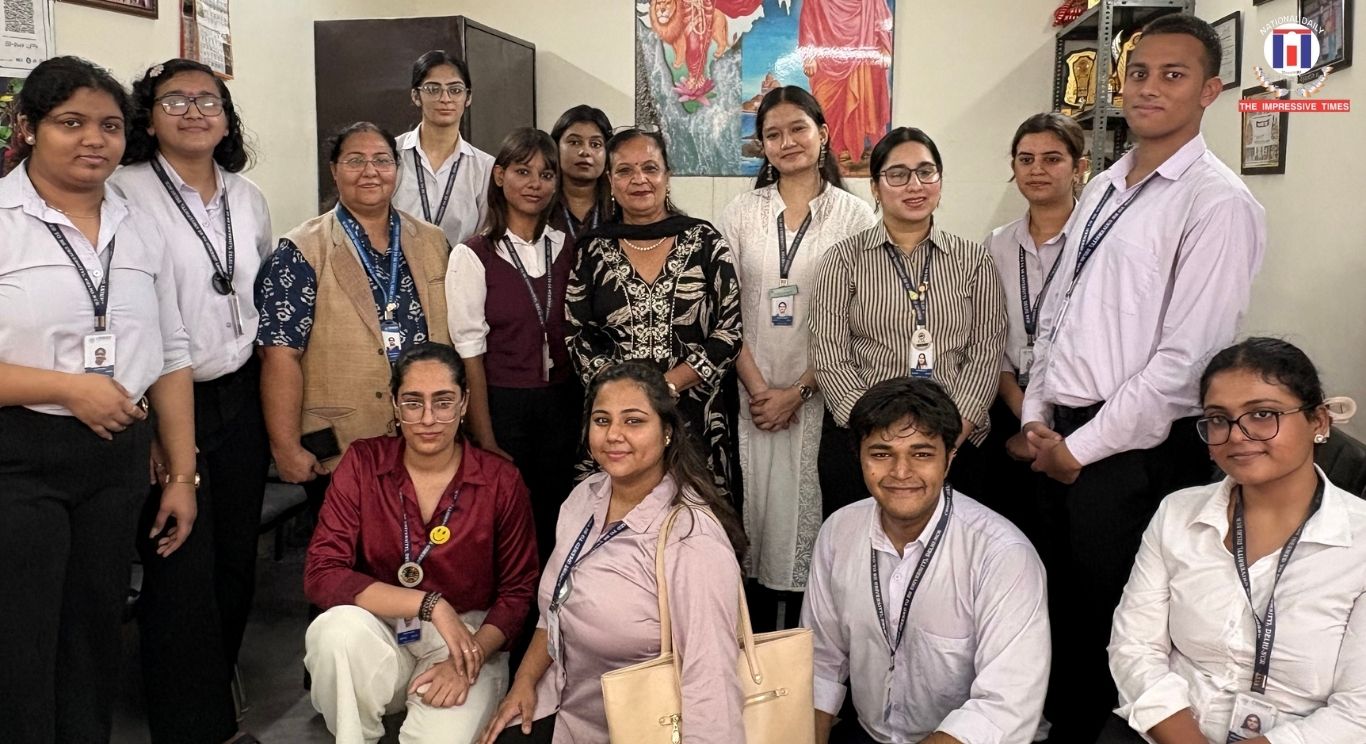
A large number of students, teachers, and citizens participated in the campaign and expressed their support for the initiative. Attendees were also encouraged to join the movement by giving a missed call on the designated number shared during the event.

Following the programme, the Chief Minister interacted informally with students and faculty members over tea at a campus stall, where she listened to their views and suggestions on governance and public welfare.
She said such informal interactions play an important role in strengthening communication between citizens and public representatives, making policymaking more inclusive and responsive to public needs.




























No Comments: