West Bengal CM Transition Sparks Constitutional Row After BJP Lands Historic Victory
Mamata Banerjee’s refusal to step down triggers political standoff before Suvendu Adhikari is sworn in as Chief Minister

 The Impressive Times
West Bengal, May 9: West Bengal witnessed a dramatic political shift in 2026 after the Bharatiya Janata Party secured a decisive majority in the Assembly elections, ending years of Trinamool Congress rule. However, the transition of power was marked by an unprecedented constitutional and political standoff.
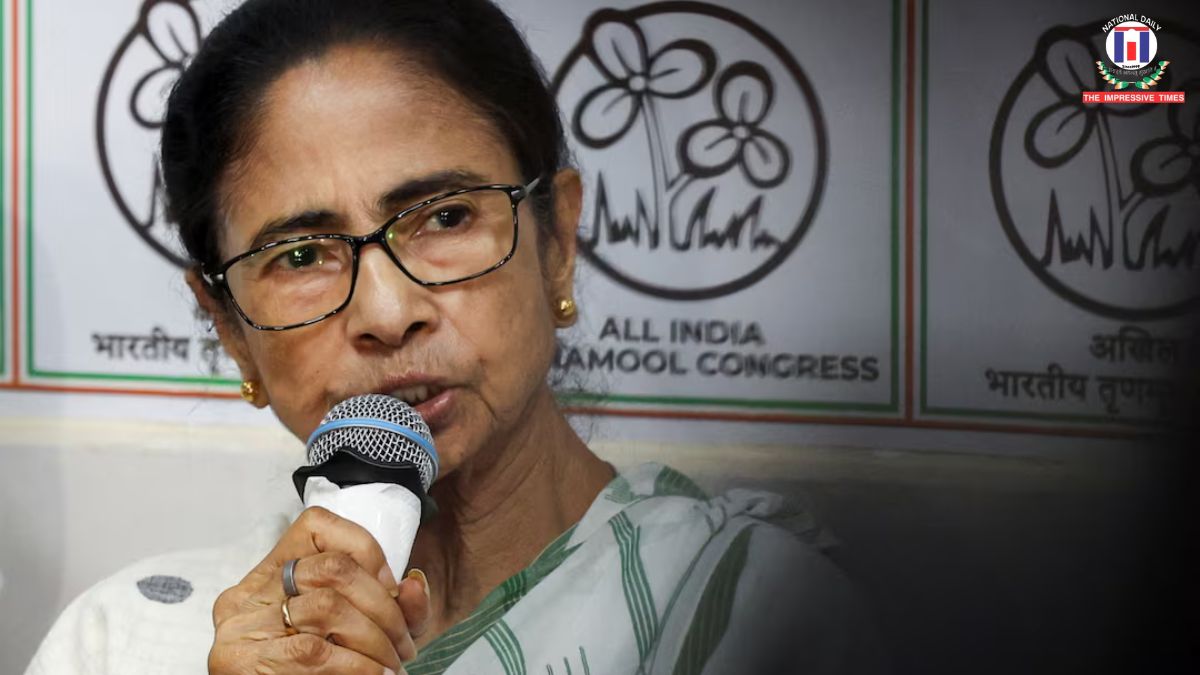
Following the results, which gave the BJP 207 seats in the 294-member Assembly, former Chief Minister Mamata Banerjee refused to step down, alleging electoral irregularities and accusing the Election Commission of India Election Commission of India and central forces of bias. She maintained that the mandate was influenced by external interference and declared she would not submit her resignation until her objections were addressed.
Her stance created an unusual political situation in the state, as the ruling Trinamool Congress was reduced to 80 seats, losing its legislative majority. According to constitutional practice, a Chief Minister is expected to resign once a party loses majority support, paving the way for the formation of a new government.
As the deadlock continued, legal and constitutional experts pointed to Article 164, which ties the Chief Minister’s position to majority confidence in the Assembly. With uncertainty growing, the situation escalated further when Governor RN Ravi intervened. On May 7, he formally dissolved the West Bengal Legislative Assembly under constitutional provisions, effectively ending the tenure of the outgoing government.
Soon after, the BJP legislature party elected Suvendu Adhikari as the new Chief Minister, who was sworn in during a high-profile ceremony in Kolkata. The event marked the beginning of a new political chapter in the state, though it also deepened political divisions.
Meanwhile, Trinamool Congress leader Abhishek Banerjee strongly criticised the election process, alleging large-scale voter roll discrepancies and raising concerns about the fairness of the democratic exercise.
The transition has since sparked a wider debate on constitutional interpretation, electoral transparency, and the role of institutions during political deadlocks. While the new government begins its term, the controversy surrounding the handover continues to fuel discussions across political and legal circles in West Bengal.
The episode is now being seen as one of the most unusual power transitions in the state’s recent political history, highlighting tensions between electoral outcomes, constitutional norms, and political resistance.



























No Comments: