Delhi CM Announces 100% Waiver on Late Payment Charges for Water Bills
Substantial Relief for Regularisation of Unauthorized Water and Sewer Connections


 The Impressive Times
New Delhi, 14 October 2025 – Delhi Chief Minister Rekha Gupta has announced major relief measures for pending water bills and unauthorised water and sewer connections. According to the Chief Minister, residents who clear their old water bills by 31 January 2026 will receive a 100% waiver on late payment charges. Additionally, heavy concessions will be provided on penalties for unauthorised connections. The Chief Minister stated that under this scheme, approximately ₹11,000 crore in surcharges will be waived. Water Minister Pravesh Sahib Singh also noted that this is a Diwali gift for the people of Delhi, emphasising that the government has taken this step in the public interest and aims to improve the efficiency and effectiveness of the Delhi Jal Board.
Clear Pending Water Bills by 31 January to Avail 100% Late Payment Waiver
At a press conference today, the Chief Minister and the Water Minister provided scheme details. Chief Minister Rekha Gupta explained that the government wants to ensure no consumer is deprived of water services due to outstanding dues or technical obstacles. She noted that water bills are calculated on a two-monthly basis, and late payments accrue compound interest surcharges, which often create difficulties for residents and may even result in disconnection.

Under the Late Payment Surcharge Waiver Scheme, all domestic consumers will have any late payment surcharge incurred so far waived. A 100% waiver on late payment charges will be granted if outstanding principal water dues are settled by 31 January 2026. Payments can be made in a lump sum or installments, with the benefit applying only once the principal amount has been fully paid. From 1 February 2026 to 31 March 2026, a 70% waiver on late payment charges will be available. The Chief Minister stated that if all consumers take advantage of this scheme, approximately ₹11,000 crore in late payment surcharges will be waived. She emphasised that this is a time-limited, final scheme intended to encourage timely payments.
Relief for Unauthorised Water and Sewer Connections
The Chief Minister also announced a second scheme for consumers who have unauthorised water or sewer connections. The Unauthorised Water and Sewer Connection Regularisation Scheme will be in effect until 31 January 2026. Under this scheme, significant reductions will be applied to penalties for unauthorised connections. For domestic connections, the token penalty will be only ₹1,000 instead of ₹25,000, while for non-domestic connections, the charge will be reduced to ₹5,000 from ₹61,000.

She explained that many households use water or sewer connections without authorization due to a lack of awareness or inability to pay regularisation fees. The relief applies only to penalties; regular water and sewer charges and infrastructure fees must still be paid. Consumers who do not regularise connections after this period will face disconnection.
Technical Issues Resolved
Before implementing the waiver scheme, the Delhi Jal Board addressed technical deficiencies in its billing system, which had disrupted processes and prevented the addition of new consumers under the previous government. The system now functions smoothly, with new consumers being added efficiently. The Board has also reorganised its regional revenue offices, establishing one office for every two assembly constituencies. Deputy Director and Joint Director positions have been filled on deputation, with officers assigned responsibility for specific areas to strengthen billing and revenue operations.
A Decision in the Public Interest
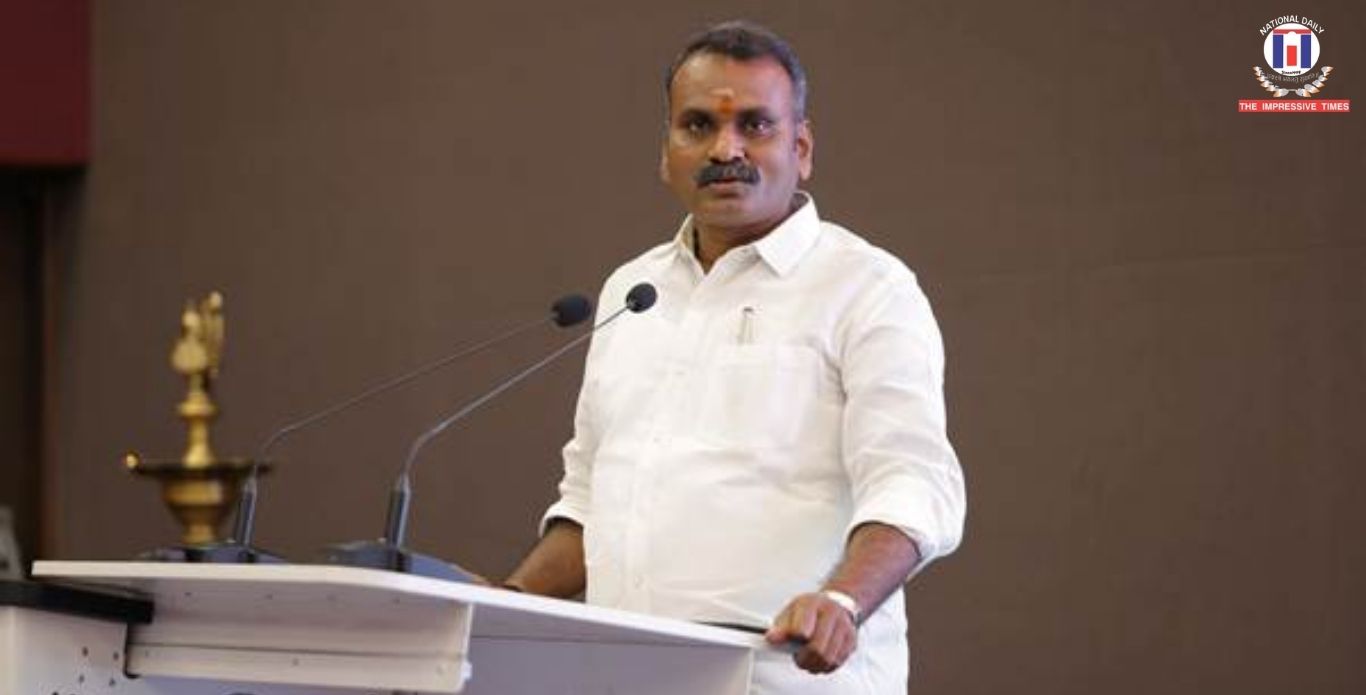
Water Minister Pravesh Sahib Singh stated, “This step has been taken in the public interest to ensure people have access to legal connections. While it may result in financial loss for the Jal Board, it will greatly benefit the public. Our government has presented a Diwali gift to the people of Delhi. We are modernising and strengthening the Jal Board system, increasing the number of water consumers, enhancing sewer facilities, and implementing projects to keep the Yamuna River clean.”









No Comments: