Indore Declaration Puts Farmers at Centre of BRICS Agricultural Vision
Indore Declaration Marks New Chapter in Global Agriculture, Places Farmers at the Heart of BRICS Agenda

 The Impressive Times
Indore, June 13: The BRICS Agriculture Ministers’ Meeting concluded in Indore on Friday with the unanimous adoption of the “Indore Declaration”, a landmark document aimed at strengthening global agricultural cooperation, food security, farmer welfare and sustainable agricultural development. The declaration reflects the collective commitment of BRICS nations to place farmers at the center of agricultural policymaking while addressing emerging global challenges such as climate change, food insecurity and technological transformation.
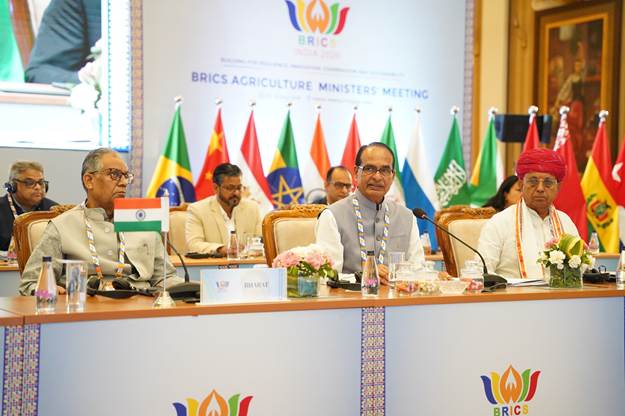
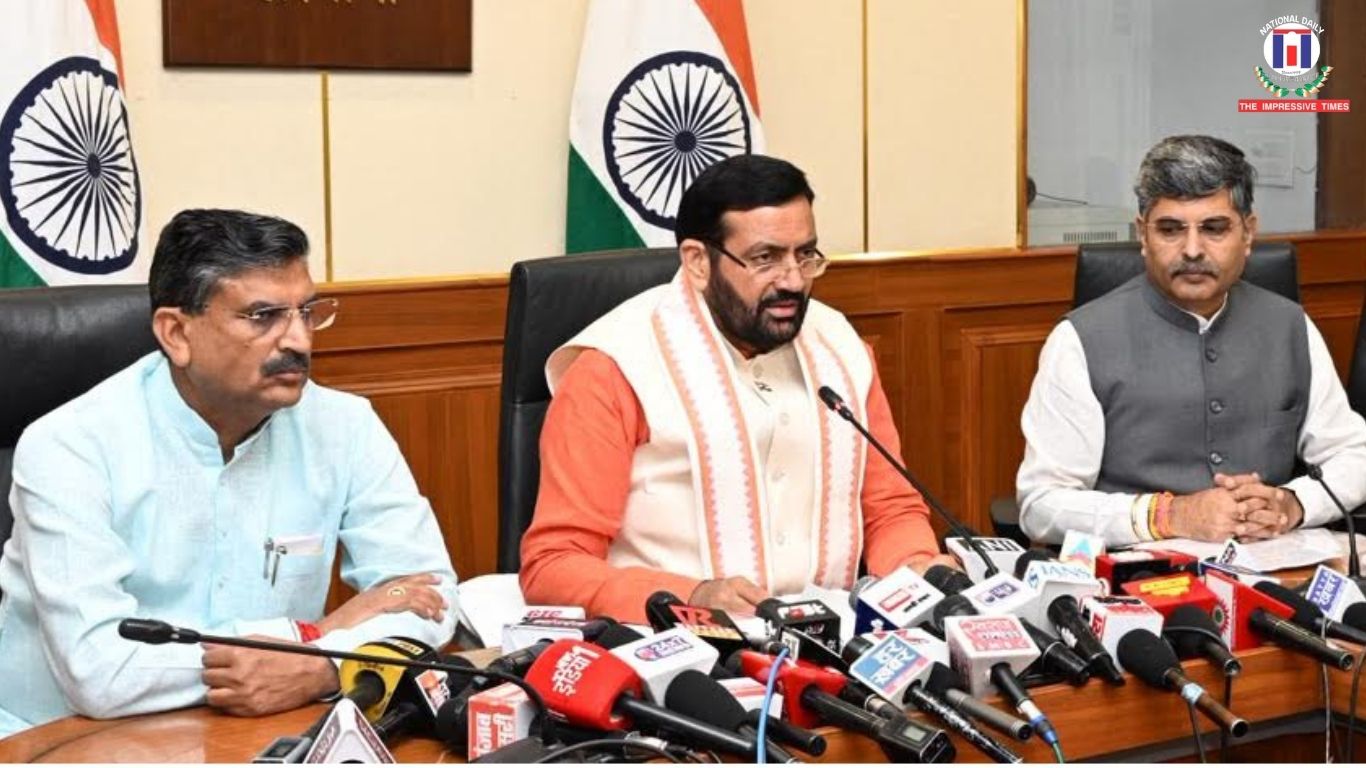
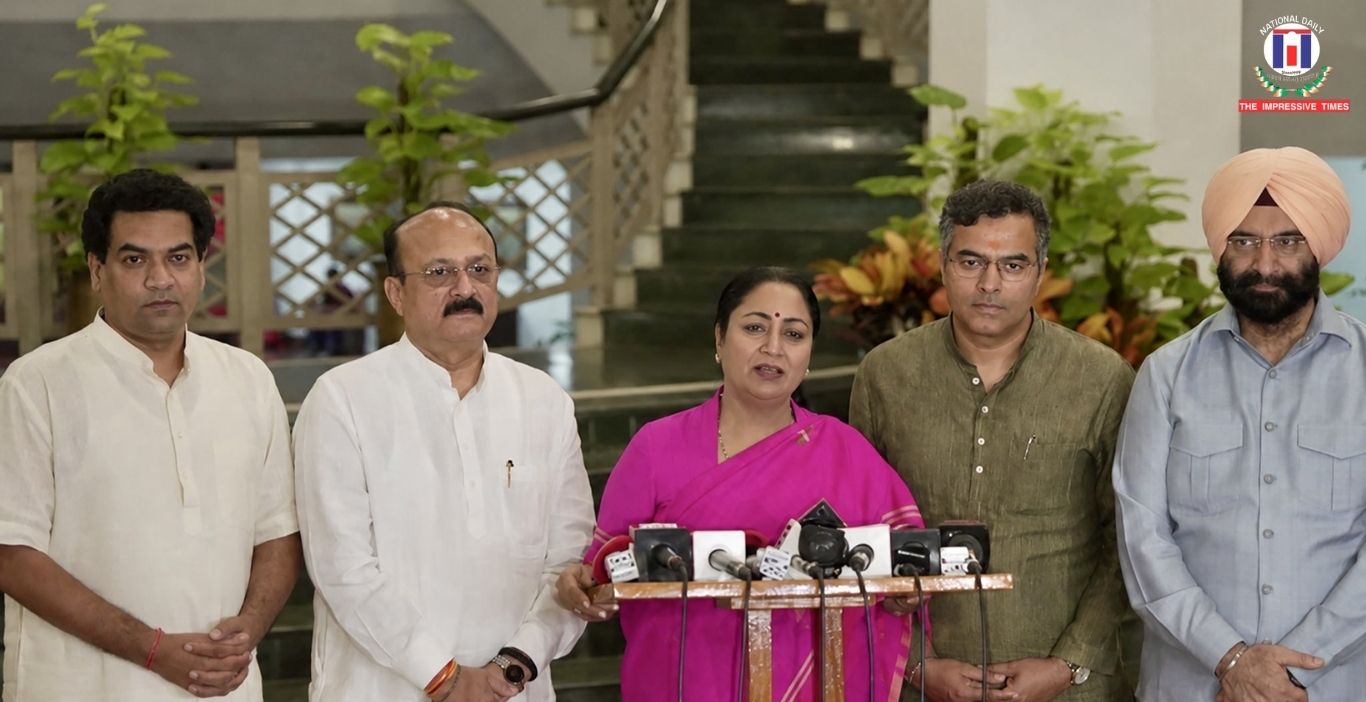
Addressing a press conference after the meeting, Union Agriculture and Farmers Welfare Minister Shivraj Singh Chouhan described the declaration as a significant step toward building a resilient and inclusive global agricultural system. He said that at a time when the world is facing multiple crises and uncertainties, the BRICS nations have sent a powerful message of cooperation, trust and shared responsibility.
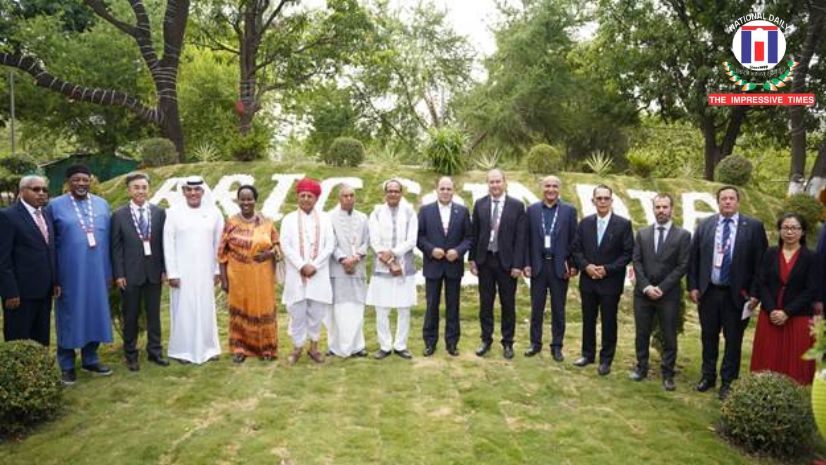
The minister was joined by Union Ministers Ramnath Thakur and Bhagirath Choudhary, along with senior officials and delegates from member countries. Nearly 100 delegates participated in the meetings, including around 60 international representatives from BRICS member and partner nations.
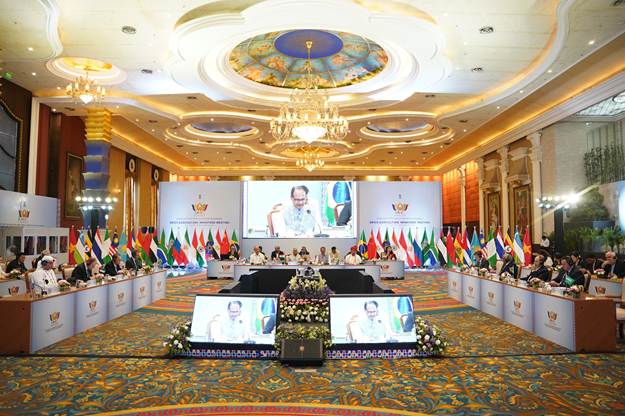
Highlighting the importance of the grouping, Chouhan noted that BRICS countries account for nearly half of the world’s population, possess around 42 percent of global agricultural land and contribute approximately 42 percent of global food grain production. He said these figures underscore the growing influence of BRICS in shaping the future of global agriculture and food systems.
The minister also expressed pride that India currently holds the BRICS Presidency under the leadership of Prime Minister Narendra Modi. He said the successful hosting of both the Senior Officials’ Meeting and the Ministerial Meeting in Indore reflected India’s commitment to advancing agricultural cooperation among developing economies.
During the discussions, ministers focused on four major priorities that are crucial for the future of agriculture. These included strengthening food and nutritional security, promoting agricultural trade among BRICS countries, advancing climate-resilient and sustainable farming practices, and enhancing innovation, technology and partnerships in food systems.
According to Chouhan, ensuring food availability and nutritional security for growing populations remains one of the most pressing global challenges. Delegates also emphasized the need to improve the livelihoods of farmers who play a critical role in feeding the world.
Special attention was given to small and marginal farmers, often referred to as family farmers in many countries. Discussions focused on their access to agricultural inputs, affordable credit, remunerative prices and stronger market linkages. Participants agreed that empowering small farmers is essential for achieving sustainable agricultural growth and rural prosperity.
The centerpiece of the meeting was the adoption of the Indore Declaration, which Chouhan described as a farmer-centric global commitment. The declaration records the shared determination of BRICS nations to strengthen food security, improve nutrition, enhance agricultural trade, promote innovation and investment, and support climate-resilient agriculture.
“This declaration symbolizes the collective will of BRICS countries to build a safer, more prosperous and sustainable future through agriculture,” Chouhan said. He added that member nations have committed to working together to ensure the effective implementation of the initiatives outlined in the document.
A major outcome of the meeting was the announcement of four new institutional initiatives designed to deepen cooperation among BRICS nations.
The first initiative is the BRICS Network of Centres of Excellence on Agro-Ecology and Regenerative Agriculture. The network will facilitate joint research, knowledge exchange and capacity building in natural, organic and regenerative farming systems. Chouhan said the initiative reflects the growing global recognition of sustainable agricultural practices and aligns with India’s emphasis on natural farming and balanced fertilizer use. The Indian Institute of Farming Systems Research at Modipuram will serve as India’s Centre of Excellence within the network.
The second initiative is the BRICS Network on Digital Agriculture, which aims to strengthen collaboration in areas such as artificial intelligence, geospatial technologies, digital public infrastructure and data-driven agricultural solutions. Coordinated by IIT Delhi, the network will help member countries share innovations and best practices to ensure that emerging technologies directly benefit farmers and improve productivity.
The third initiative announced during the meeting is the Global Forum on Farmers’ Rights in Seed Systems. The forum will focus on protecting farmers’ rights, preserving indigenous seed varieties and safeguarding traditional agricultural knowledge. Chouhan stressed the importance of conserving native seeds, many of which are increasingly threatened despite their value for biodiversity, climate resilience and food security.
The fourth initiative is BRICS AgriN (Agro Inputs, Genetic Resources and Information Network). This platform will promote cooperation in agricultural inputs, seeds and genetic resources while facilitating information exchange, technical collaboration and capacity building among member countries. The initiative is expected to help farmers gain access to improved varieties, technologies and best practices from across the BRICS community.
In addition to these new initiatives, member countries agreed to strengthen the existing BRICS Agricultural Research Platform and transform it into a dynamic “Knowledge-to-Action Hub.” Chouhan emphasized that scientific research must move beyond laboratories and reach farmers’ fields more effectively. He said the goal is to ensure that innovations and technological solutions are rapidly translated into practical benefits for farming communities.
The meeting concluded with a shared commitment to advancing sustainable agriculture, strengthening food systems and improving the lives of millions of farmers across BRICS nations. With the adoption of the Indore Declaration and the launch of several collaborative initiatives, the gathering marked a new chapter in global agricultural cooperation and reinforced the role of farmers as the foundation of food security and economic development worldwide.




























No Comments: