Arunachal Pradesh: China’s repeated renaming of locations in Arunachal Pradesh is being viewed as part of a broader strategy aimed at reinforcing its territorial claims and extending cultural influence over the region. The latest move by Beijing, which includes a fresh list of renamed places, has been firmly rejected by India, with officials asserting that such actions do not alter ground realities.
Since the Doklam standoff, China has reportedly assigned new names to dozens of locations in Arunachal Pradesh, a state it continues to claim as part of what it refers to as “South Tibet.” The recent additions further underline what analysts describe as a pattern of cartographic assertion, where symbolic measures are used alongside diplomatic and military posturing.
India has consistently dismissed these attempts, reiterating that Arunachal Pradesh is an integral and inalienable part of the country. The government has maintained that renaming places will not lend legitimacy to Beijing’s claims, even as tensions along the border remain a sensitive issue in bilateral relations.
The developments also highlight the complex nature of India-China ties, where economic engagement continues alongside strategic rivalry. Despite significant trade relations, geopolitical concerns persist, particularly in regions such as eastern Ladakh and along critical border corridors.
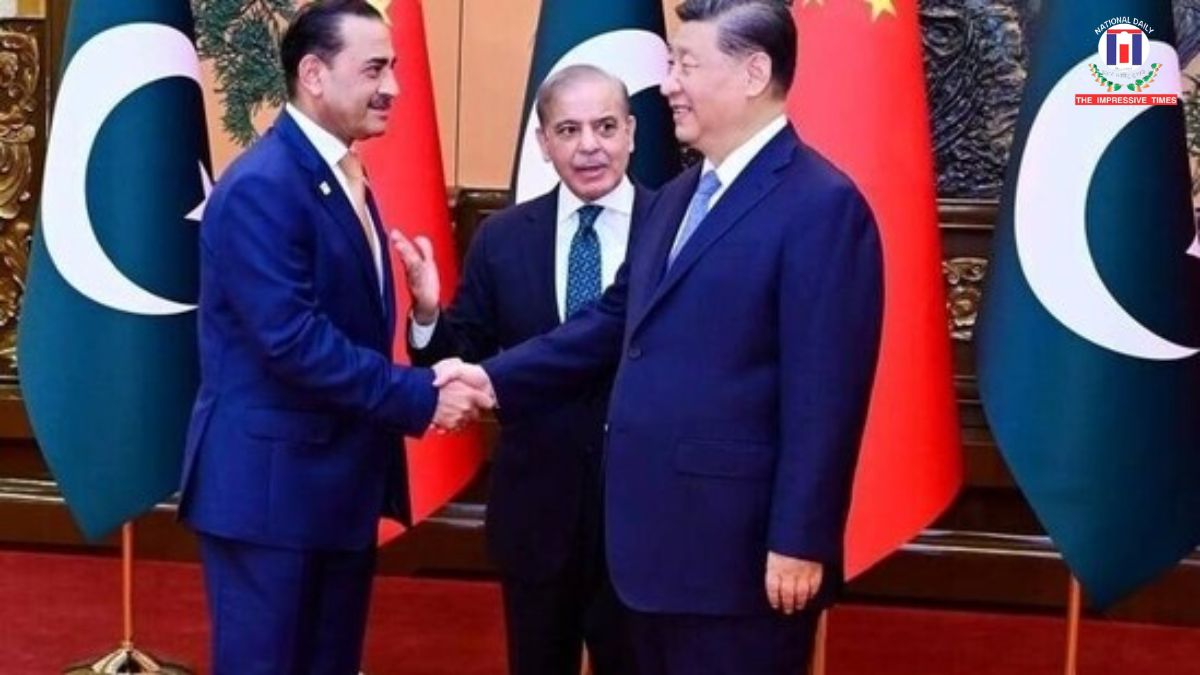
Observers note that China’s actions reflect a long-term approach that combines territorial assertions with broader geopolitical ambitions under the leadership of Xi Jinping. These moves are often accompanied by increased military activity and infrastructure development near contested areas.
For India, the situation underscores the importance of maintaining a firm stance on sovereignty while strengthening preparedness and monitoring developments along its borders. Officials continue to emphasise that peace and stability along the Line of Actual Control remain essential for any meaningful progress in bilateral relations.































No Comments: