US–Iran Conflict Escalates as Ceasefire Deadline Nears, Pakistan Emerges as Key Mediator
Uncertainty over Iran’s participation, oil market volatility, and Strait of Hormuz tensions dominate latest developments

 The Impressive Times
News Article: The ongoing standoff between the United States and Iran has entered a critical phase, with diplomatic efforts intensifying just ahead of the ceasefire deadline set for April 22. While backchannel negotiations are being explored, uncertainty continues to cloud the possibility of a breakthrough.
According to multiple international reports, US Vice President JD Vance is expected to visit Pakistan to facilitate dialogue with Iran. However, conflicting signals have emerged, as sources indicated that his departure has not yet been confirmed. Earlier, US President Donald Trump had suggested that a delegation was already en route for negotiations.
Pakistan appears to be playing a central diplomatic role, with officials expressing optimism about Iran’s potential participation in the talks. While Tehran has not officially confirmed its involvement, insiders suggest that the Iranian leadership is actively weighing the proposal.
Meanwhile, tensions remain high in the strategically vital Strait of Hormuz, a crucial route for global oil shipments. Maritime movement has been disrupted due to Iran’s threats and the US naval blockade targeting vessels linked to Iranian ports. Reports indicate that several Iranian ships have managed to navigate through the blockade, highlighting the fragile nature of the situation.
The economic impact is already visible. Oil prices experienced sharp fluctuations, rising significantly before easing slightly amid hopes of diplomatic engagement. Iranian officials have warned that restrictions on their oil exports could destabilize global energy markets, emphasizing that such measures come with broader consequences.
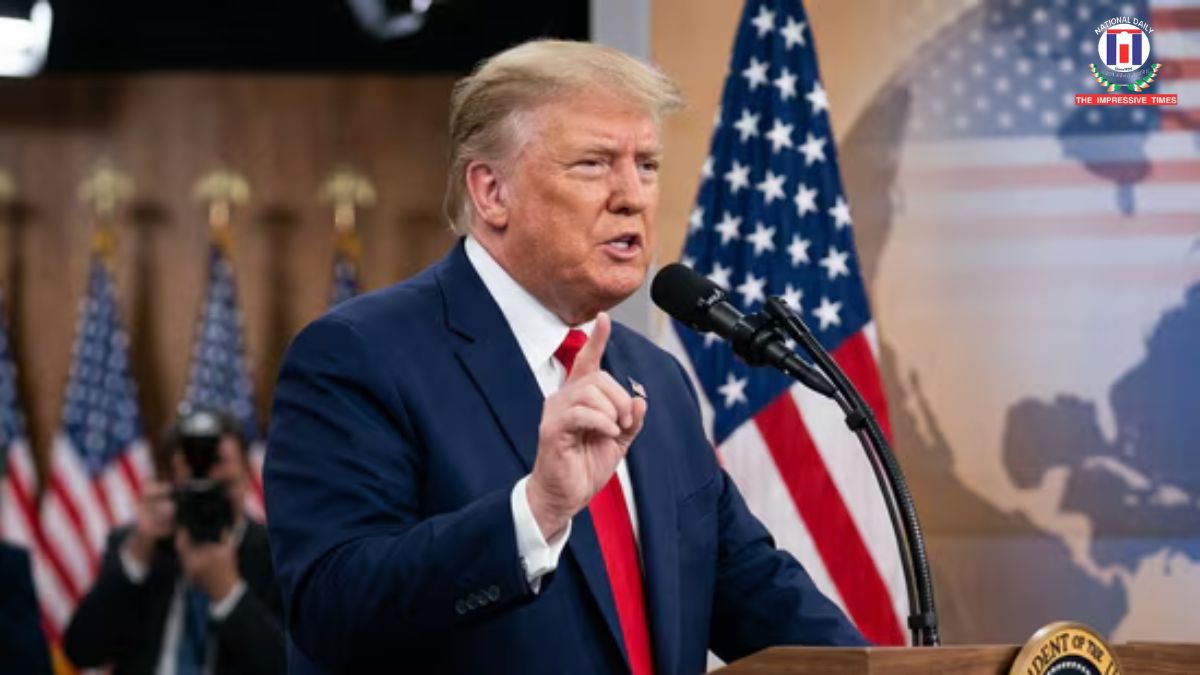
Adding to the tension, President Trump has maintained a firm stance, stating that the US will continue its blockade until a formal agreement is reached. He also reiterated claims that previous US strikes had severely damaged Iran’s nuclear infrastructure, suggesting that any recovery of enriched uranium would be a prolonged and complex process.
On the Iranian side, leadership signals indicate a possible shift in strategy, with hints of new responses if negotiations fail. The coming days are seen as crucial, as both diplomatic and military options remain on the table.
In parallel developments, the United States is also preparing to host discussions between Israel and Lebanon, reflecting broader regional instability linked to the ongoing crisis.
With the ceasefire deadline fast approaching, global attention is now firmly fixed on whether diplomacy can prevail or if the conflict will escalate further.




































No Comments: