Power Tribunal Orders Clearance of Massive Dues in Delhi
Consumers may face tariff revision as regulator asked to act swiftly

 The Impressive Times
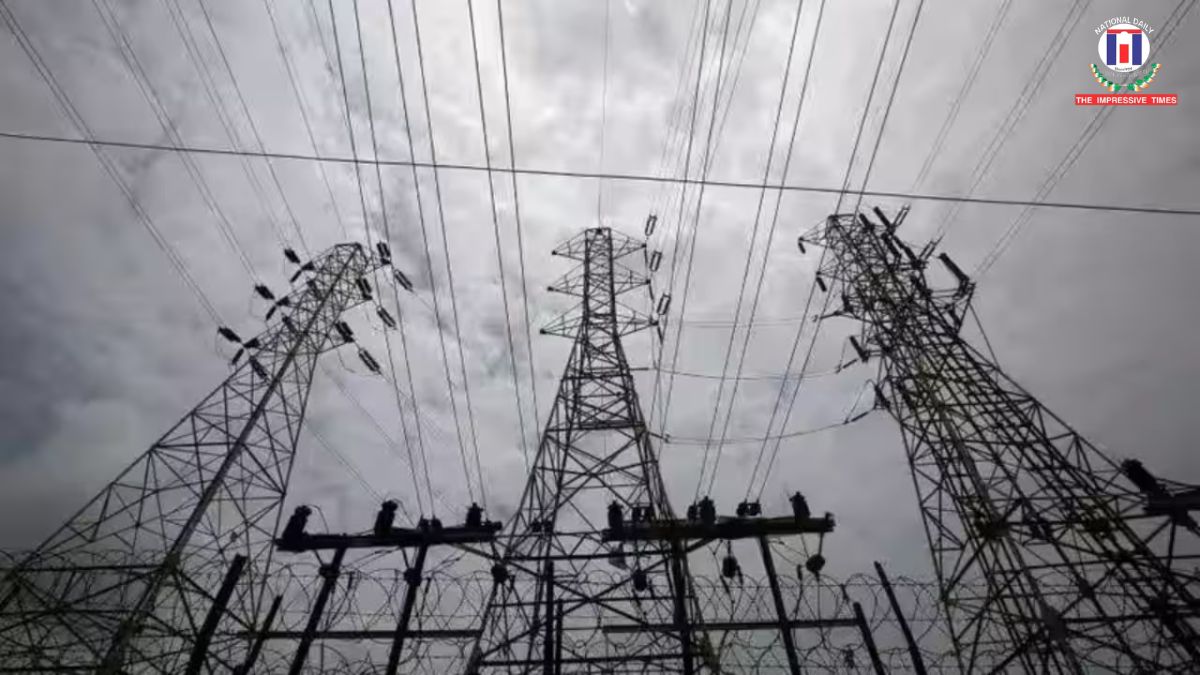
New Delhi, April 21, 2026: The Appellate Tribunal for Electricity has directed the Delhi Electricity Regulatory Commission to begin clearing pending regulatory dues exceeding ₹38,000 crore, stating that there are no valid grounds for further delay. The tribunal has asked the commission to initiate the process within three weeks, a move that could eventually impact electricity bills across the capital.
The order came after the regulator sought additional time to begin recovery, a request that was turned down by the tribunal. It observed that repeated postponements had allowed the unpaid amount to swell, ultimately shifting the burden onto consumers.
Regulatory dues refer to costs incurred by power distribution companies when tariffs are not updated in line with rising supply expenses. Over time, these deferred amounts accumulate and are typically recovered from users, often with added financial charges. In Delhi, tariffs have remained largely unchanged for years, contributing to the sharp rise in pending liabilities.
Alongside the recovery directive, the tribunal also overturned the regulator’s decision to conduct an audit through the national auditor. Instead, it has instructed the appointment of an independent chartered accountant within a week to carry out a detailed financial review of distribution companies, to be completed within three months.
The tribunal noted that the regulator’s continued inaction lacked justification and emphasized the need for immediate steps to address the growing financial imbalance. It also highlighted that earlier assurances given to higher judicial forums had not been followed through in a timely manner.
As per official figures submitted earlier, the total outstanding amount is distributed among major power distributors operating in the city, reflecting years of deferred cost recovery. Authorities indicated that a phased plan could be implemented over several years to manage the repayment process.
Reacting to the development, Delhi’s power department signalled that it would examine all possible legal options, reiterating that efforts would be made to prevent any additional financial strain on residents. Meanwhile, officials from the regulatory body refrained from commenting, citing the quasi judicial nature of the institution.
The directive is rooted in earlier guidance from the Supreme Court of India, which had stressed that such deferred liabilities must be resolved in a structured and time bound manner. The latest ruling reinforces that position and places the responsibility squarely on the regulator to ensure compliance within the stipulated timeline.
































No Comments: