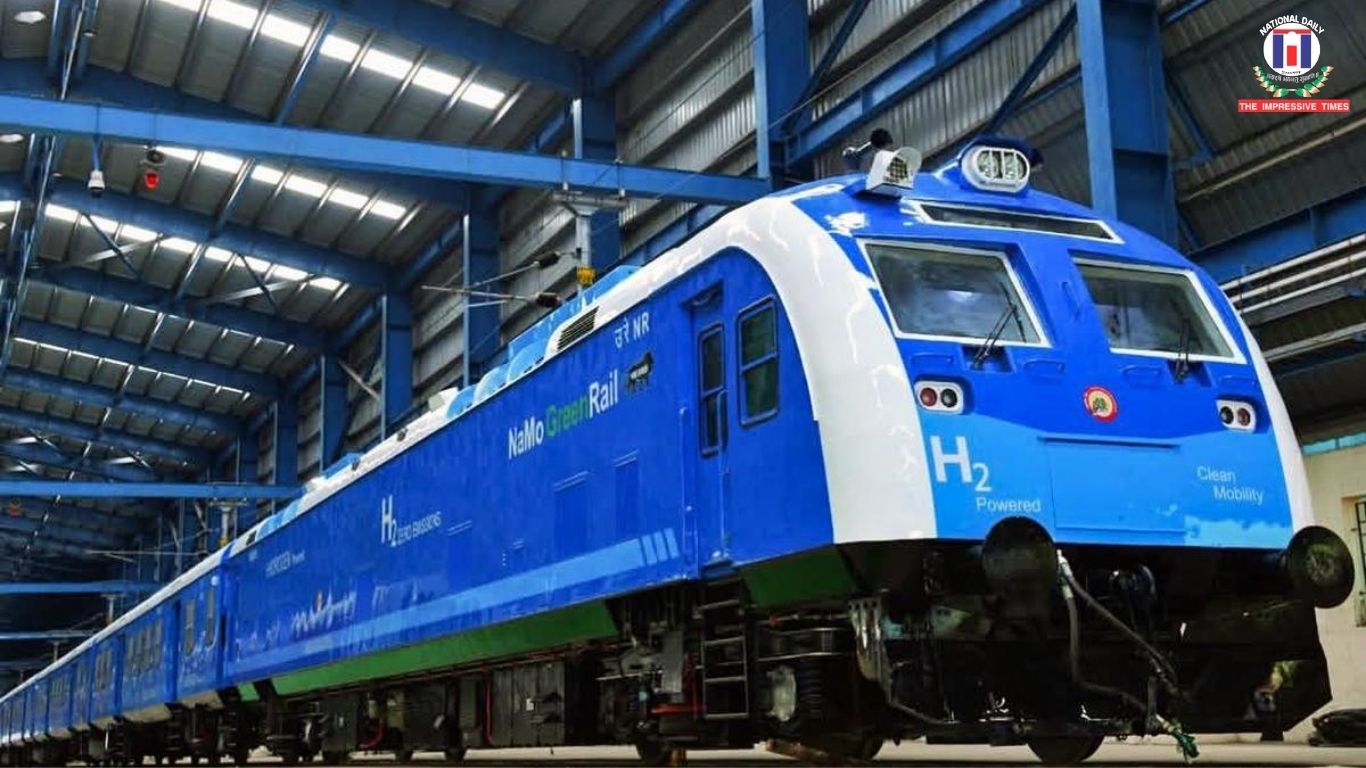
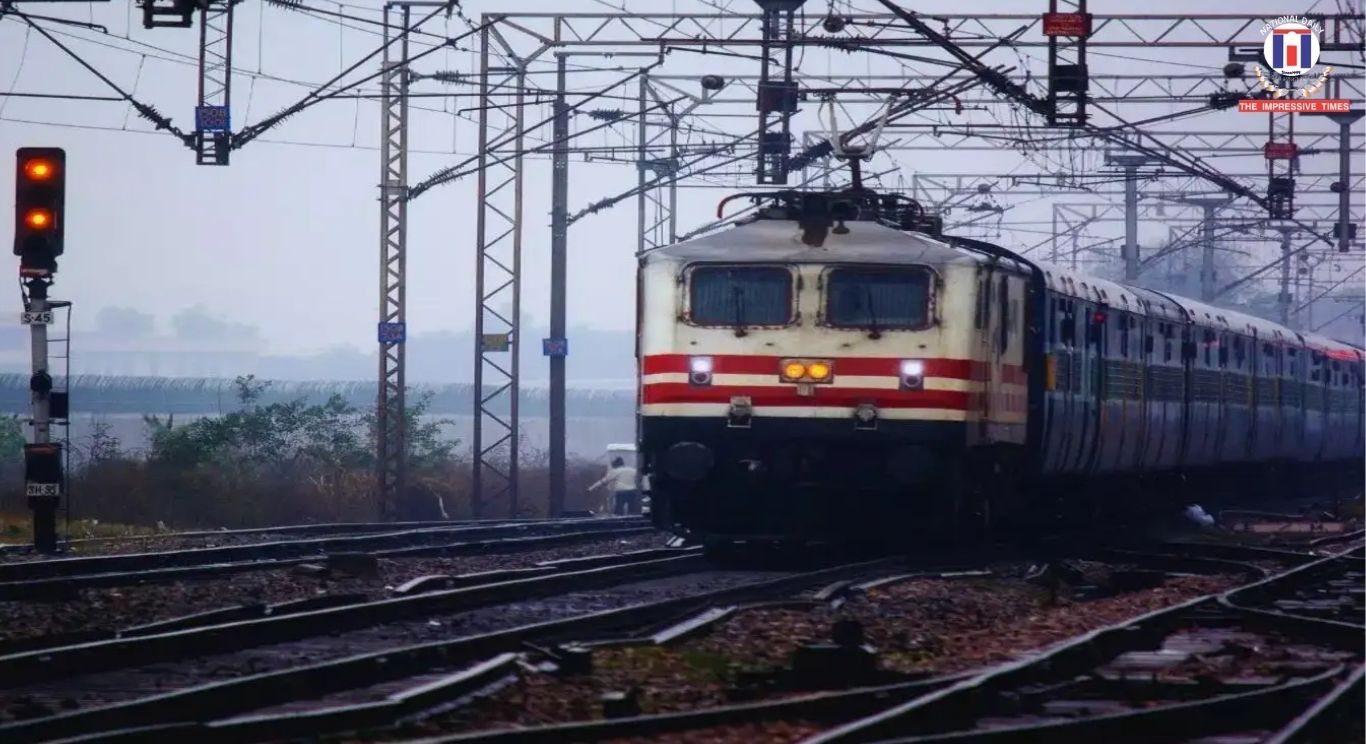
The newly introduced train will run on the nearly 89-kilometre Jind–Sonipat railway section, connecting Jind Junction, Gohana Junction and Sonipat along with several intermediate stations. With this achievement, India joins a select group of nations that have introduced hydrogen-powered rail services.
The hydrogen train has been designed and developed using indigenous technology, with Indian Railways retaining complete intellectual property rights for the propulsion system. Railway officials described the project as an important milestone in the country’s transition towards environmentally friendly transport solutions.
Union Railway MinisterAshwini Vaishnaw said the development demonstrates India’s ability to build cutting-edge hydrogen technology domestically. He noted that mastering hydrogen-based transportation is essential for the country’s future energy security and supports the broader objective of the Atmanirbhar Bharat initiative.
Unlike conventional electric trains that rely on overhead power lines, the new train generates electricity onboard through hydrogen fuel cells. Hydrogen combines with oxygen inside the fuel cell to produce electrical energy, while water vapour and heat are the only by-products, making the system virtually emission-free during operation.
The train consists of ten coaches, including two hydrogen-powered driving cars and eight passenger coaches, with seating and standing capacity for approximately 2,600 passengers. Although engineered for a maximum speed of 110 kmph, it will initially operate at speeds of up to 75 kmph on the Jind–Sonipat route.
To support operations, Indian Railways has established a dedicated hydrogen infrastructure at Jind, including facilities for hydrogen generation through electrolysis, storage, compression and refuelling. The installation has the capacity to store nearly 3,000 kilograms of hydrogen and has received approval from the Petroleum and Explosives Safety Organisation (PESO).
Officials said extensive safety protocols have been integrated into the project. The train is equipped with advanced systems capable of detecting hydrogen leaks, flames, excessive heat and smoke. Automatic fuel shut-off mechanisms, continuous ventilation and emergency response systems have also been incorporated to ensure safe operations.
The Railway Minister stated that the train underwent comprehensive independent safety assessments conducted by internationally recognised certification agency TUVSUD, confirming compliance with global safety standards.
The project has been executed under the guidance of Indian Railways, with technical specifications prepared by the Research Designs and Standards Organisation (RDSO). It is expected to contribute significantly to the objectives of the National Green Hydrogen Mission and India’s long-term commitment to achieving net-zero carbon emissions.
Vaishnaw also expressed confidence that the indigenous technology could eventually be exported to other countries, positioning India as a future supplier of hydrogen-based railway solutions.
During his visit to Haryana, Prime Minister Modi also dedicated key stretches of the Delhi–Amritsar–Katra Expressway to the nation. The newly inaugurated sections are expected to substantially reduce travel time between Delhi, Amritsar and Katra while improving connectivity, easing traffic congestion and supporting economic growth across the region.






























No Comments: