Iran Demands Release of Seized Touska Vessel as US Action Sparks Fresh Row
Tehran calls interception unlawful warns of escalation after crew taken into custody

 The Impressive Times
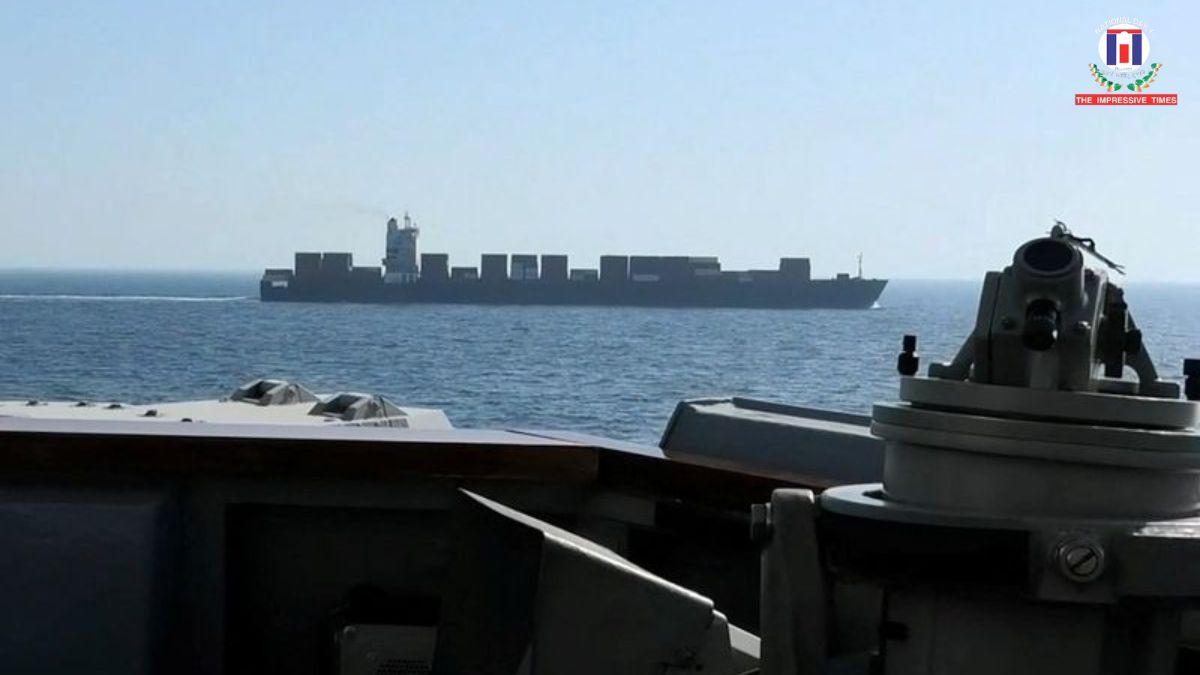
Tehran, April 21, 2026: Iran has called for the immediate release of its cargo vessel Touska along with its crew, condemning the recent interception by the United States as an act of aggression in regional waters.
The demand follows a high tension maritime incident in which American forces boarded and took control of the Iranian flagged ship. Tehran described the operation as an unlawful assault on a civilian vessel and accused Washington of violating established norms governing international waters.
In an official statement, Iran’s foreign ministry strongly criticised the action, alleging that the crew had effectively been detained and calling for their unconditional return. Authorities also raised concerns over the safety of those onboard, including reports that family members were present during the incident.
According to US officials, the vessel was intercepted after it allegedly ignored repeated warnings and attempted to breach a naval blockade in waters near the Strait of Hormuz.American forces reportedly disabled the ship before boarding it, marking a significant escalation in enforcement measures tied to the ongoing standoff with Iran.
Washington has defended the move, stating that the operation was carried out to enforce restrictions on sanctioned vessels and prevent the movement of potentially sensitive cargo.However, Iran has rejected these claims and labelled the action as “armed piracy,” warning that such steps could further destabilise the already fragile situation in the region.
The seizure of the Touska has also cast uncertainty over ongoing diplomatic efforts, with Tehran signalling that it may reconsider participation in future negotiations under current conditions.The incident comes at a time when tensions are already high, with both sides exchanging strong rhetoric and military posturing in recent days.
Iranian officials have indicated that the country reserves the right to respond, raising fears of potential retaliation and further escalation.The strategic importance of the region, particularly the Strait of Hormuz through which a large share of global energy supplies passes, has heightened international concern over the developments.
Global powers and observers are closely monitoring the situation, urging restraint from both nations to prevent the crisis from spiralling further.The unfolding standoff underscores the fragile nature of the current ceasefire arrangements and the challenges facing diplomatic efforts in the region.
As tensions persist, calls for dialogue and de escalation continue, though immediate prospects for resolution remain uncertain.








































No Comments: