PM Modi Backs Women’s Reservation Bill, Calls It ‘Fair and Pro-Democracy’
Says legislation will empower women without political bias

 The Impressive Times
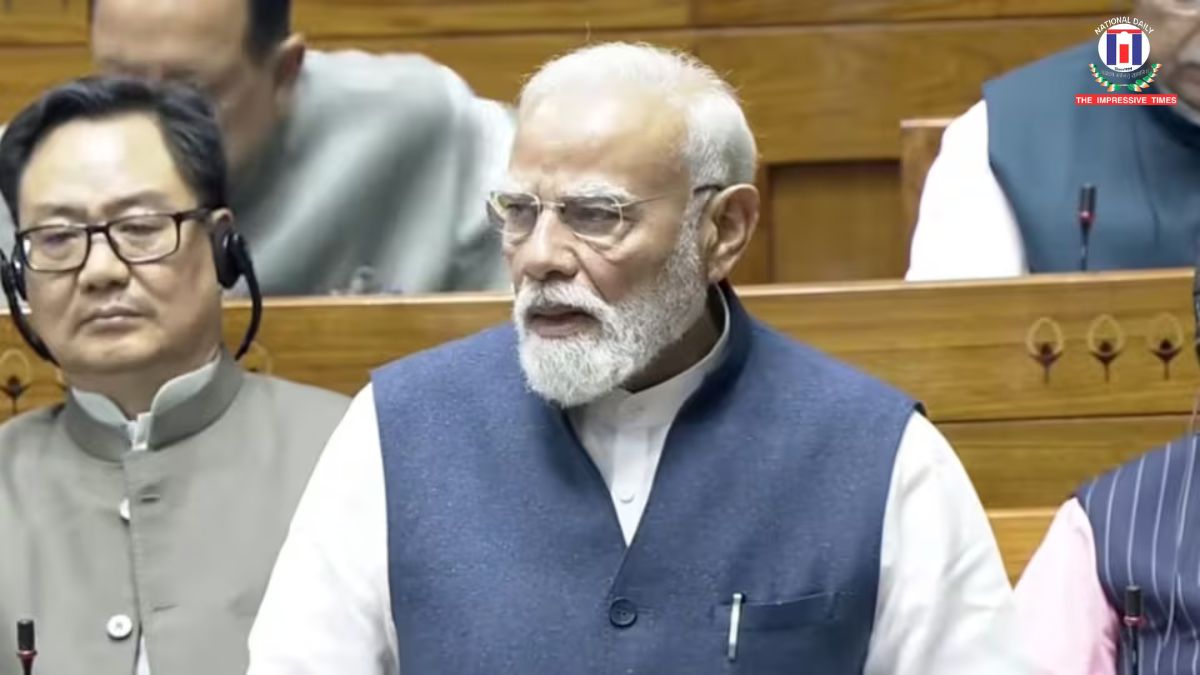
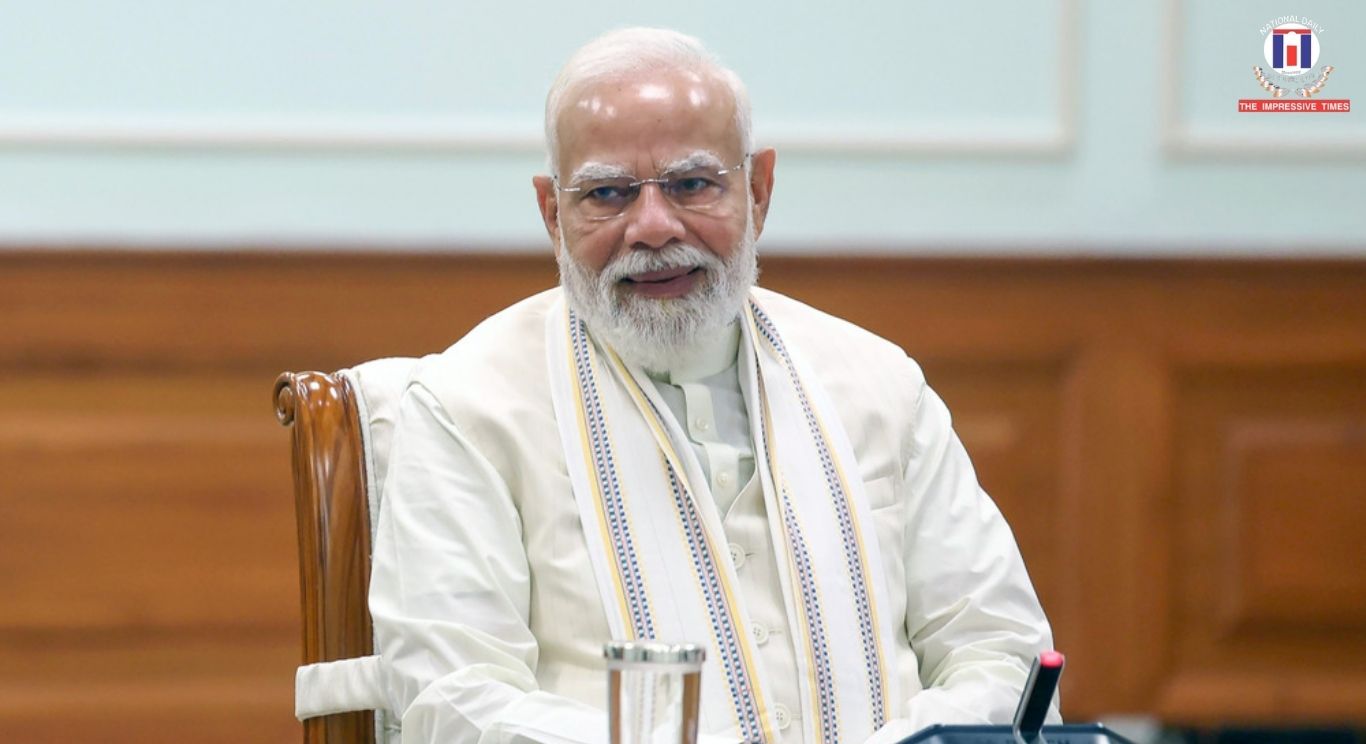
In a significant address during the special session of Parliament, Narendra Modi strongly advocated for the passage of the Women’s Reservation Bill, stressing that the proposed law would ensure fairness and strengthen democratic decision-making across the country.
Speaking in the Lok Sabha, the Prime Minister urged all political parties to rise above differences and support the landmark legislation, officially known as the The Constitution (One Hundred and Twenty-eighth Amendment) Bill, 2023.
Modi made it clear that the bill is not designed to favor any specific group or political party. He assured lawmakers that the process would remain balanced and transparent, adding that existing seat distribution patterns would not be altered arbitrarily.
Highlighting the importance of collective responsibility, the Prime Minister said that the bill represents a rare opportunity to bring meaningful reform. He pointed out that while political disagreements exist in Parliament, most parties acknowledge the need for greater representation of women in governance.
Addressing concerns over political credit, Modi emphasized that the success of the bill should be seen as a shared milestone for the entire nation. He even remarked that he is not interested in taking personal or party credit for the move, reinforcing his appeal for unity.
The Prime Minister also issued a cautionary note, stating that those who oppose women’s empowerment initiatives risk facing public backlash, especially from women voters who are increasingly assertive about their rights.
In a powerful statement, Modi underlined that the bill is about restoring long-denied rights rather than granting new privileges. He framed the legislation as a corrective step toward ensuring equal participation of women in legislative bodies.
According to the Prime Minister, enhanced representation of women will lead to more inclusive policymaking and better governance outcomes. He described the bill as a step forward in strengthening India’s democratic framework.
Alongside the Women’s Reservation Bill, Parliament also introduced several other important proposals, including the The Constitution (One Hundred and Thirty-First Amendment) Bill, 2026 and the Delimitation Bill, 2026, which are expected to shape the country’s political structure in the coming years.






















No Comments: