Hormuz Crisis Deepens: Undetected Sea Mines Continue to Threaten Global Shipping
Technical Challenges Prevent Full Reopening of Strategic Waterway

 The Impressive Times
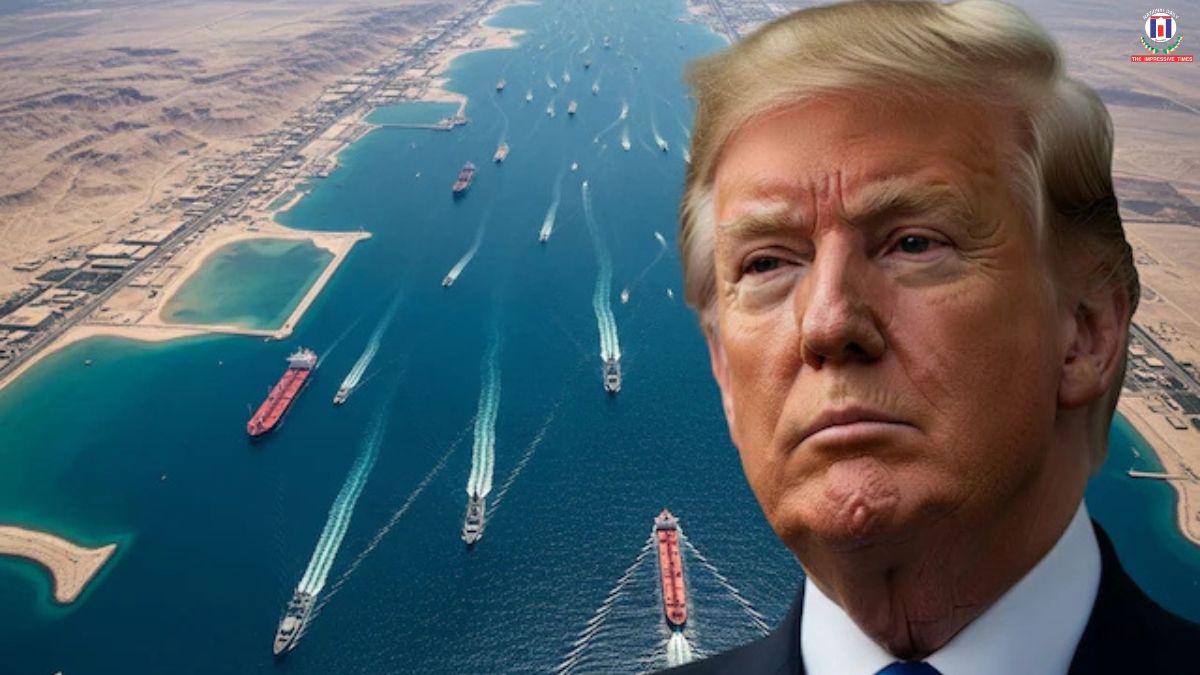
Even as diplomatic efforts between Iran and the United States gain momentum, a serious maritime risk continues to loom over the Strait of Hormuz. Reports suggest that Iran is currently unable to completely restore safe passage through the crucial shipping lane due to unresolved issues related to sea mines deployed during recent hostilities.
According to information cited by The New York Times, a significant number of naval mines placed in the strait remain unaccounted for. These devices, reportedly deployed using smaller vessels during last month’s conflict, were not systematically tracked, creating long-term navigational hazards.
Security analysts indicate that many of these underwater explosives may have shifted positions due to strong ocean currents, making detection even more difficult. The absence of precise deployment records has further complicated clearance operations.
This has placed Iran in a difficult position. On one hand, it faces international pressure to ensure safe navigation; on the other, it lacks complete data and sufficient technical capability to remove all threats quickly. Even identified mines require advanced expertise and equipment for safe disposal.
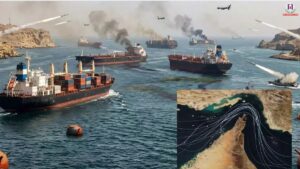
Authorities have reportedly opened a restricted maritime corridor to allow controlled vessel movement. However, this passage remains narrow and does not eliminate the broader danger across the strait.
Maps released by the Islamic Revolutionary Guard Corps outline certain safer routes, but large portions of the surrounding waters are still considered high-risk zones for commercial shipping.
The Strait of Hormuz is one of the most critical energy corridors globally, facilitating nearly one-fifth of the world’s oil and liquefied natural gas shipments. Any disruption here has immediate consequences for international markets.
Recent instability has already led to volatility in oil prices and cautious movement by shipping companies. Experts warn that unless the mine threat is fully neutralized, uncertainty will continue to impact global trade flows.
While diplomatic engagement offers hope for de-escalation, the physical dangers beneath the waters of Hormuz remain unresolved. Until comprehensive mine clearance operations are completed, the risk to vessels navigating the region is expected to persist.
The situation highlights how modern conflicts can leave behind long-lasting threats that extend well beyond the battlefield, affecting global economies and energy security alike.














































No Comments: