CM Smt. Rekha Gupta Inaugurates Metro Museum; Says Delhi Metro Has Become Crucial for Pollution Control
Public Transport Has Become Cleaner; Metro Has Relieved People from Dependence on Private Vehicles: CM Smt. Rekha Gupta

 The Impressive Times
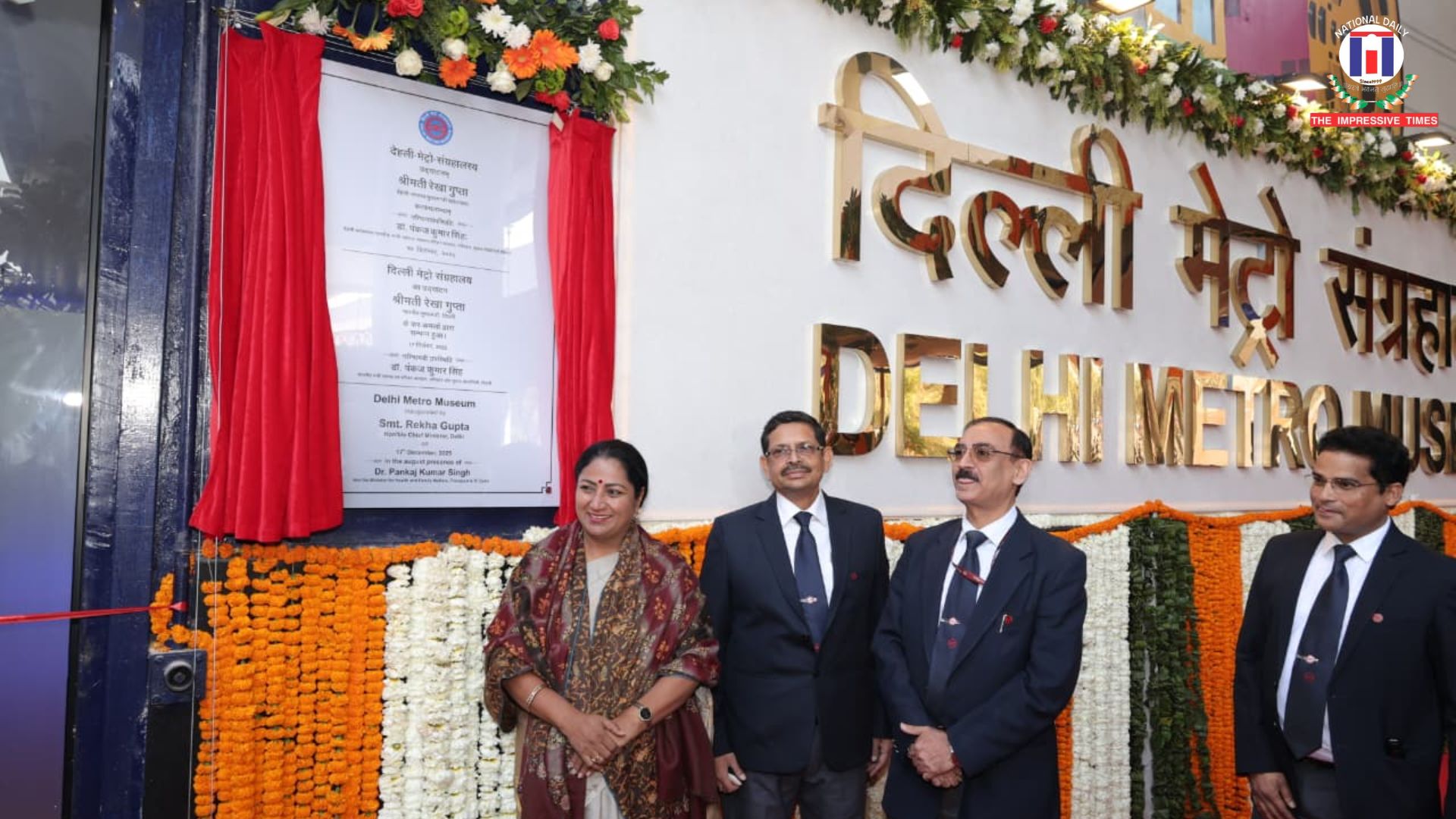
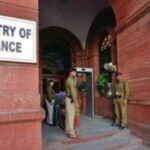
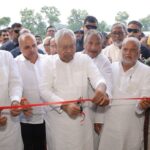
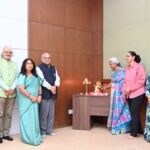
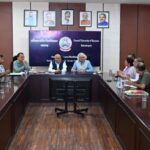
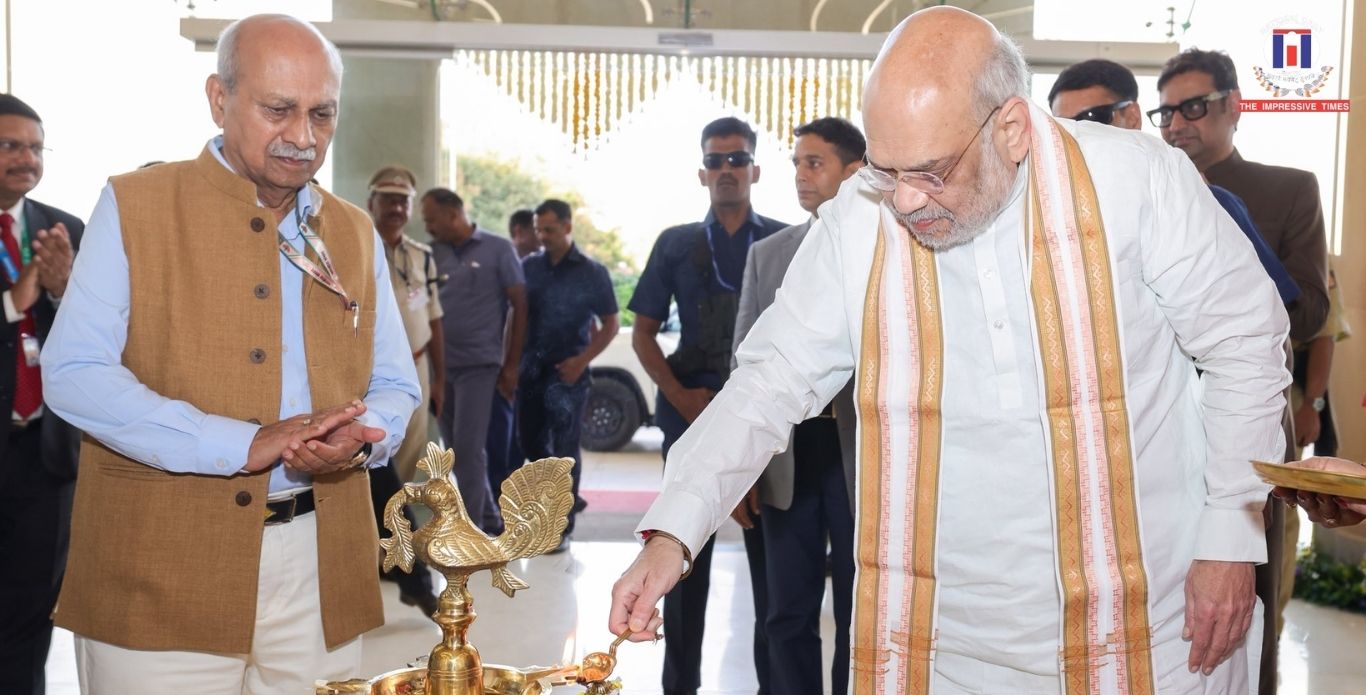
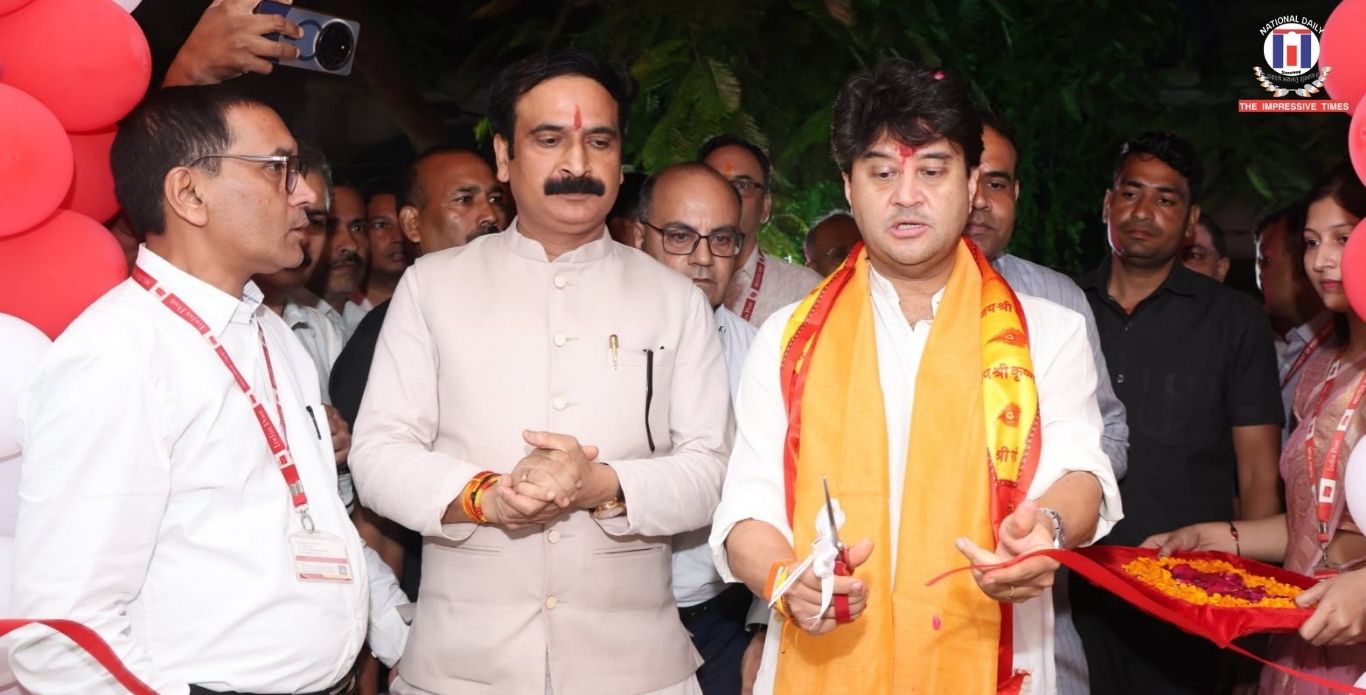
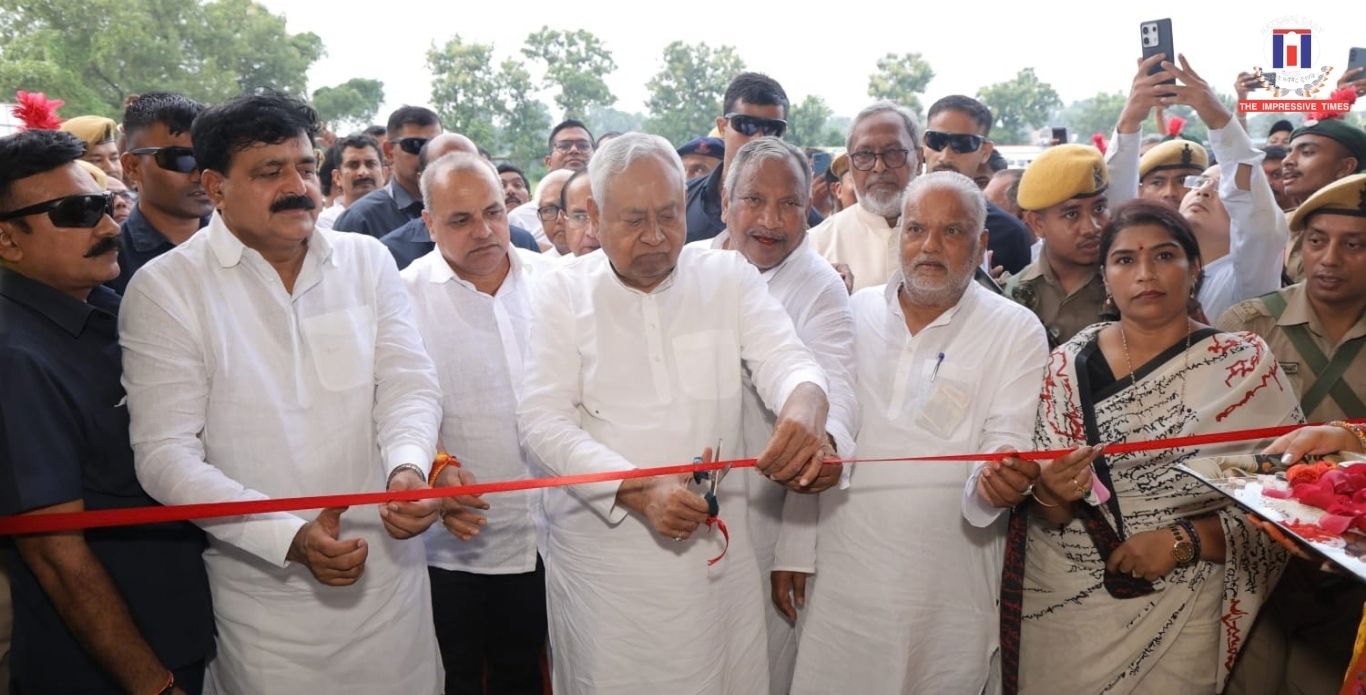
New Delhi, 17 December 2025 : The Chief Minister of Delhi, Smt. Rekha Gupta, today inaugurated the state-of-the-art Delhi Metro Museum at the Supreme Court Metro Station. On the occasion, the Chief Minister lauded the Metro’s contribution to the environment and public transport, stating that the Metro has played a significant role in reducing the number of private vehicles on Delhi’s roads and in strengthening pollution control efforts. She congratulated the Metro team and recalled that when former Prime Minister Shri Atal Bihari Vajpayee approved the Delhi Metro project, few believed that a metro system in India would achieve such widespread success.
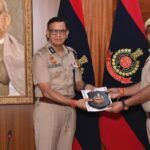
Cabinet Minister of the Delhi Government Dr. Pankaj Kumar Singh, Managing Director of the Delhi Metro Rail Corporation Dr. Vikas Kumar, and other senior officials were present at the event. The museum vividly showcases the 30-year journey of the Delhi Metro, India’s most advanced urban transport system. The Chief Minister said that the Metro has played a vital role in maintaining a healthier environment in Delhi and in modernising the city’s transport system.
Recalling Shri Vajpayee’s Metro vision, she said that today the capital has an approximately 400-kilometre-long Metro network with 289 stations, serving 3.5-3.7 million passengers every day. This achievement has made travel and daily life significantly easier for the people of Delhi.
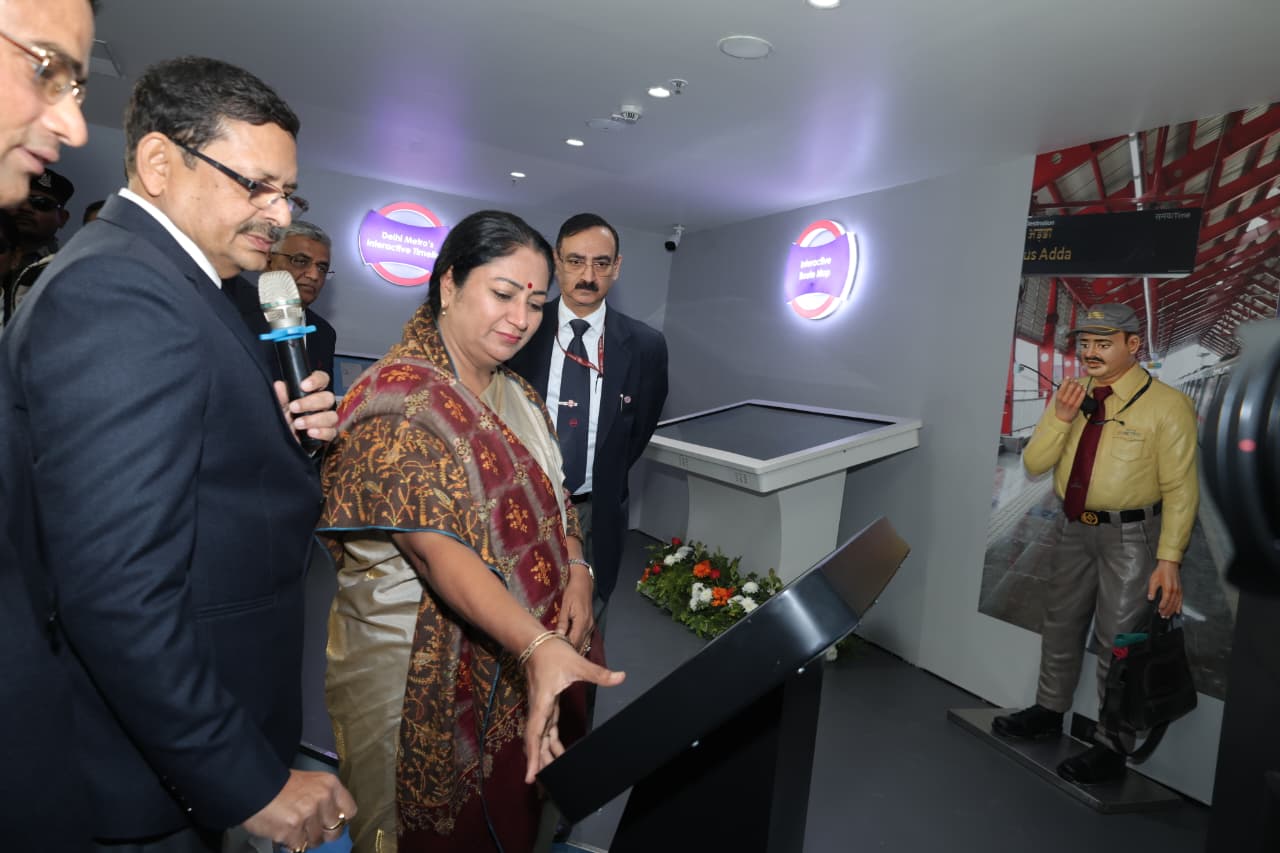
The Chief Minister reiterated that the Metro has helped reduce the number of private vehicles on Delhi’s roads and has made an important contribution to pollution control. She appealed to the public to make greater use of the Metro and other public transport systems so that Delhi can become a cleaner, greener and more sustainably developed city. She said that the Delhi Metro model is a major asset in building a clean, green and self-reliant Delhi. The Chief Minister added that the inauguration of the Delhi Metro Museum is not only a celebration of the Metro’s achievements, but will also serve as a source of inspiration for future generations in the fields of urban transport, engineering and innovation. She said that the Metro has guided Delhi towards becoming a “future-ready city”, and through this museum, coming generations will be able to understand its important achievements and journey.
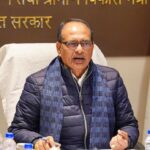
Speaking on the occasion, Delhi’s Transport Minister Dr. Pankaj Kumar Singh said that the importance of the Delhi Metro is most keenly felt when one needs to reach a destination quickly, highlighting how accessible commuting in the capital has become. He said that today the Delhi Metro stands as a proud symbol of modern infrastructure in New India and is a milestone in realising the vision of ‘Viksit Bharat’ of the Hon’ble Prime Minister Shri Narendra Modi, inspiring citizens and future generations alike. He added that the museum will document the growth of the Metro as the lifeline of urban life in Delhi.
Key Features of the Metro Museum:
The museum is spread over approximately 12,000 square feet and has been designed on the lines of the world’s leading metro museums. It is equipped with modern exhibition platforms and interactive experiences. In the first phase, more than 50 panels, exhibits, kiosks and models have been installed.
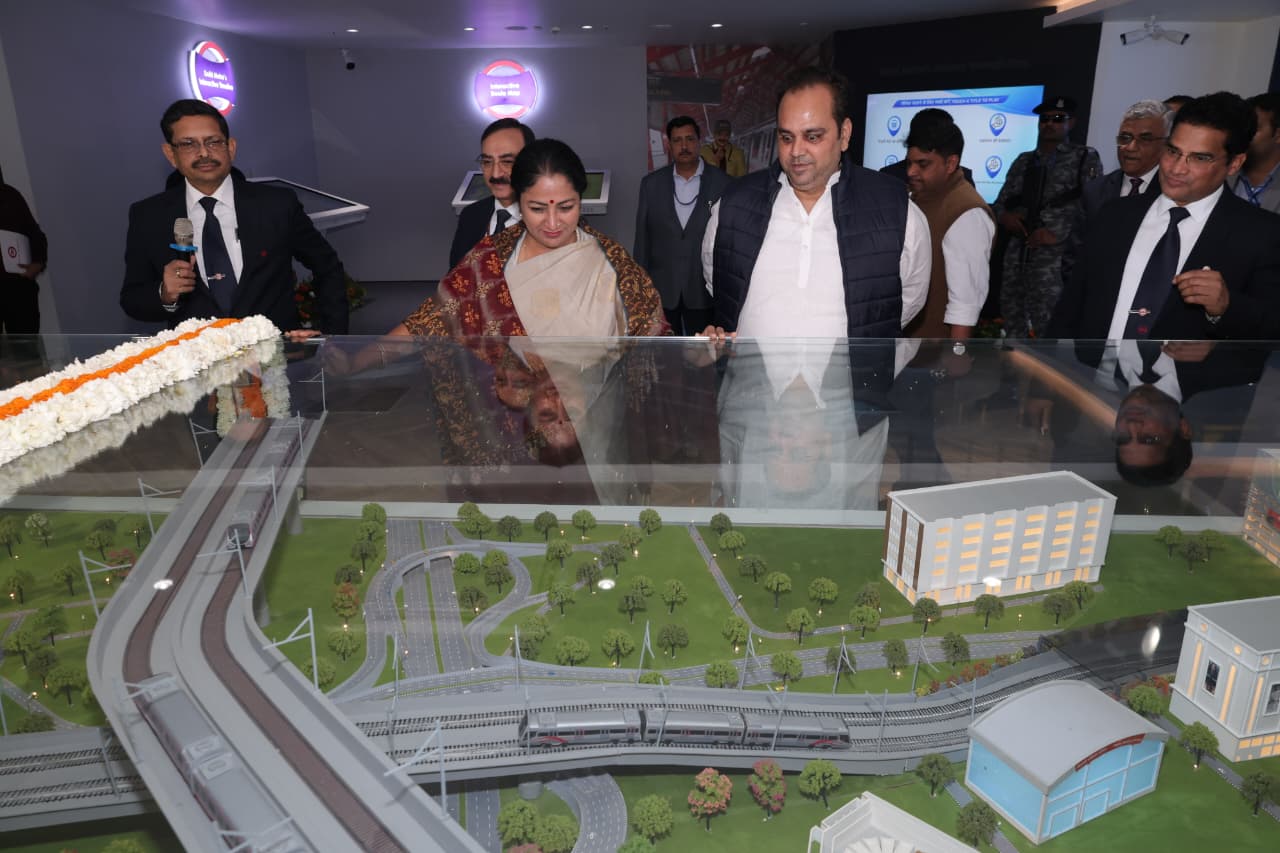
The museum offers visitors a realistic simulator experience of operating a Metro train. Working models of Tunnel Boring Machines (TBMs) and launching girders are also on display. Interactive digital displays enable visitors to learn about Metro construction and operations. Major attractions include a dedicated panel on ‘Metro Man’ Dr. E. Sreedharan, a mock Metro tunnel and a model of the Operations Control Centre (OCC). Quiz show screens, selfie points and souvenir shops have also been set up, providing visitors with an engaging, educational and entertaining experience.
The newly inaugurated Metro Museum will be open to the public from 19 December 2025, from 10.00 a.m. to 4.00 p.m. It will remain open from Tuesday to Sunday and will be closed on Mondays and public holidays. The entry fee has been fixed at a nominal amount of ₹10 per person.







No Comments: