In a landmark achievement reflecting the Modi government’s unwavering resolve to build a Naxal-free Bharat, the number of districts most affected by Naxalism has been brought down to just three — Bijapur, Sukma, and Narayanpur in Chhattisgarh. This marks a sharp decline from six districts earlier, underscoring the government’s decisive progress in neutralizing Left Wing Extremism (LWE).
Similarly, the number of LWE-affected districts has also seen a remarkable reduction — from 18 to just 11. The government has reaffirmed its commitment to completely eradicate the Naxal menace by March 31, 2026, signaling the final phase of its long-term strategy to eliminate this decades-old internal security challenge.
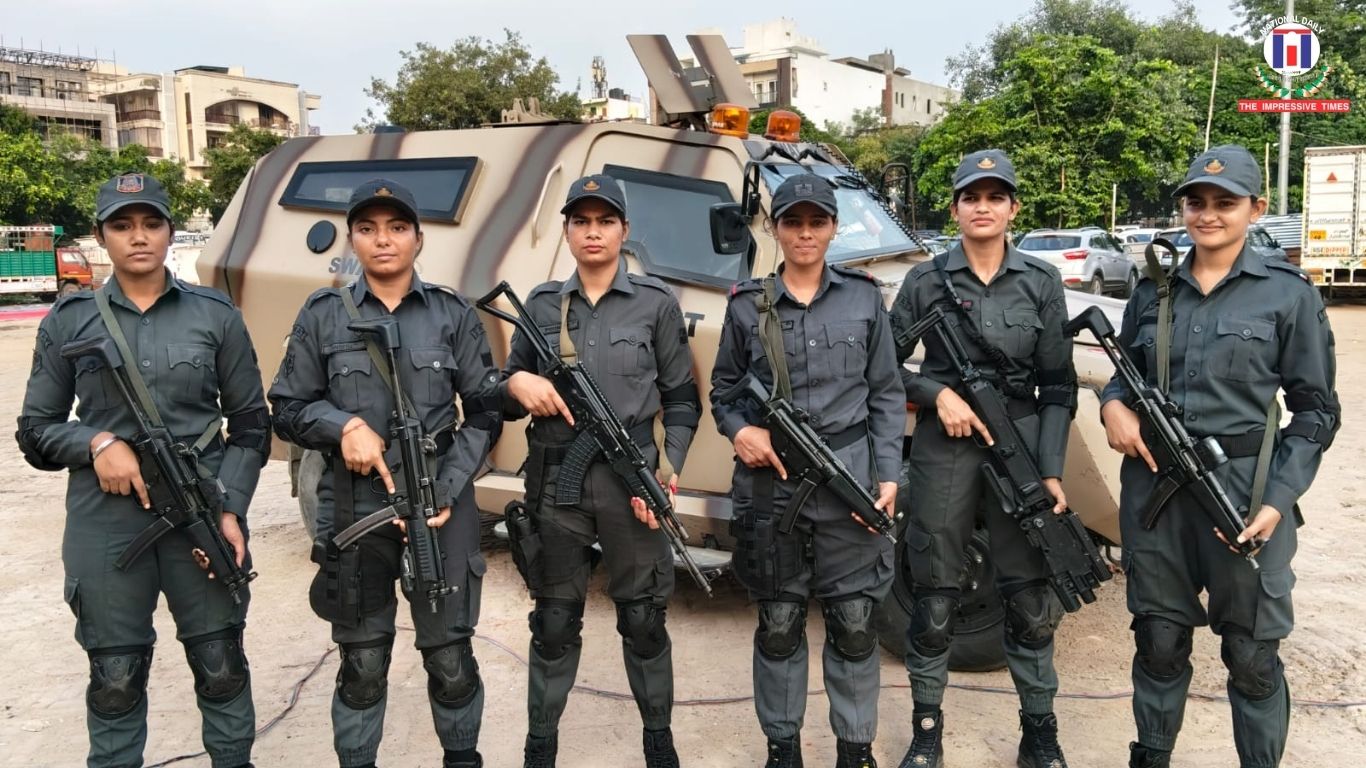
Under the leadership of Prime Minister Narendra Modi and the strategic guidance of Union Home Minister Amit Shah, the year 2025 has witnessed unprecedented operational success. Security forces have eliminated 312 LWE cadres, including the CPI (Maoist) General Secretary and eight senior Polit Bureau/Central Committee members. In addition, 836 cadres have been arrested, and 1,639 Naxalites have surrendered, choosing to rejoin the mainstream.
The Modi government’s National Action Plan and Policy, anchored in a multi-pronged approach, have played a pivotal role in this success. The strategy includes intelligence-based, people-friendly counter-LWE operations; swift area domination to fill security vacuums; focused targeting of top leaders and overground operatives; and the dismantling of the ideological and financial ecosystem sustaining extremism. Parallel efforts in infrastructure development, welfare scheme saturation, and enhanced coordination between state and central agencies have accelerated the decline of Naxal influence.
Once described by the then Prime Minister in 2010 as India’s “biggest internal security challenge,” Naxalism is now in visible retreat. A movement that once aspired to establish a “Red Corridor” from Nepal’s Pashupati to Andhra Pradesh’s Tirupati has been decisively curtailed. In 2013, as many as 126 districts across India reported Naxal-related incidents. By March 2025, that number had dropped to 18 districts, with only six classified as ‘Most Affected.’
The sustained decline in Naxal violence and territorial influence reflects the success of the government’s integrated policy—combining security, development, and rehabilitation. With the elimination of top leadership and the return of hundreds of former cadres to mainstream society, the vision of a Naxal-free Bharat by 2026 appears closer than ever.


























No Comments: