Government Steps Up Industry-Linked Apprenticeship Training, Focuses on Future Skills and Women’s Participation
NAPS-2 expands industry-based training, future-skill courses and apprenticeship opportunities, with women’s participation rising to 24.95% in 2025-26.
New Delhi, August 5, 2026: The Government of India is expanding industry-oriented apprenticeship and skill development programmes to equip young people with practical experience and skills suited to the changing job market.
The National Apprenticeship Promotion Scheme (NAPS), launched in 2016, is being implemented as NAPS-2 since 2022-23. Under the programme, apprentices receive training in real workplace environments, allowing them to gain practical exposure while working with participating establishments, including technology companies.
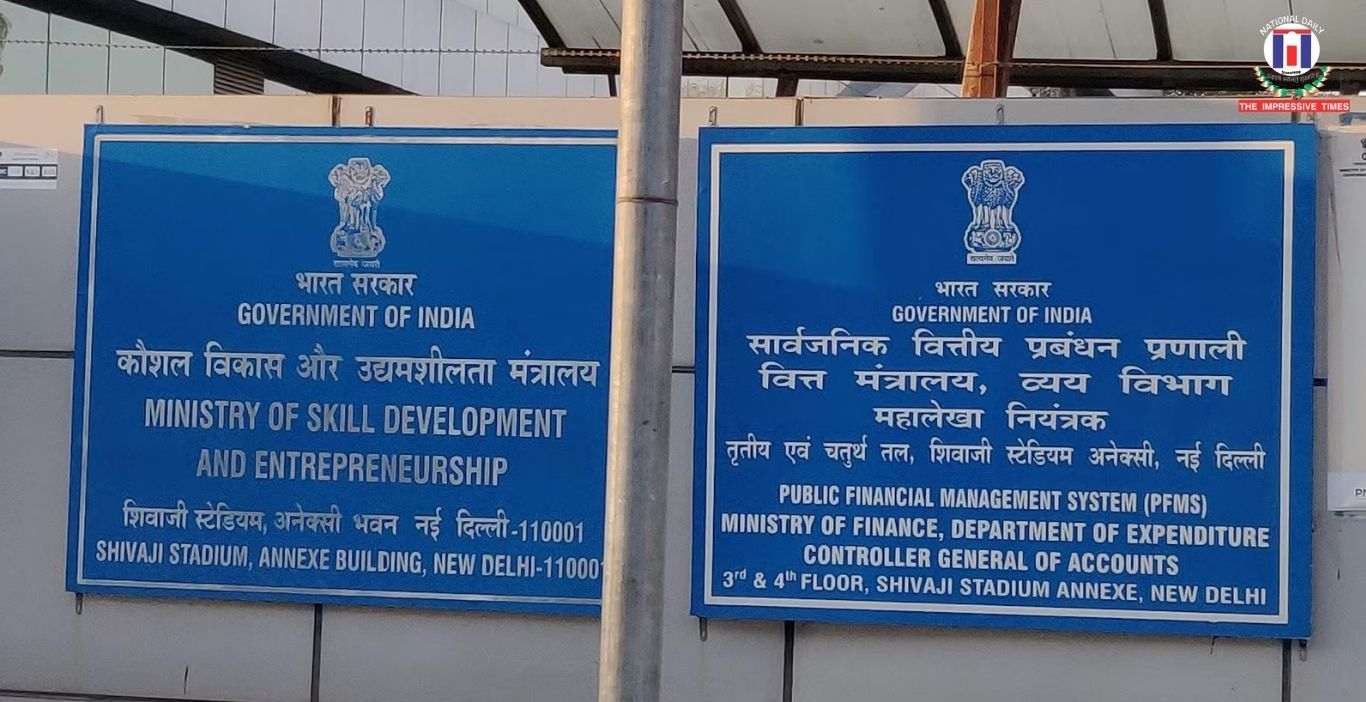
The Ministry of Skill Development and Entrepreneurship (MSDE) said several measures have been introduced to strengthen coordination between industry and skill training institutions. Apprenticeship opportunities are being facilitated through the National Apprenticeship Portal, along with support from regional and state-level apprenticeship authorities and empanelled Third Party Aggregators.
The government has also strengthened the vocational training ecosystem through bodies such as the National Council for Vocational Education and Training (NCVET) and 36 Sector Skill Councils. These institutions work towards setting competency standards and aligning qualifications with the requirements of different industries.
To prepare students for changing technology and employment needs, new-age courses have been introduced in areas including Artificial Intelligence and Machine Learning, robotics, mechatronics, drone technology, 5G networking and cybersecurity. The Directorate General of Training has also partnered with technology companies including IBM, Cisco, Microsoft and AWS to strengthen industry linkages and provide exposure to modern technologies.
The government said the National Education Policy (NEP) 2020 is also encouraging closer integration between vocational and mainstream education. The Apprenticeship Embedded Degree Programme allows students pursuing degree and diploma courses to undertake apprenticeship training as part of their academic curriculum.
Under NAPS-2, eligible apprentices receive government support towards their stipend through the Direct Benefit Transfer (DBT) system. The government contributes 25 per cent of the stipend paid by the establishment, subject to a maximum of ₹1,500 per month per apprentice. The amount is transferred directly to apprentices’ bank accounts through the National Apprenticeship Portal.
The government is also working to increase apprenticeship opportunities for women across sectors such as manufacturing, engineering, logistics, agriculture, food processing, healthcare, tourism, retail, IT-ITeS and electronics. Regular Pradhan Mantri National Apprenticeship Melas are being organised to connect youth with apprenticeship and employment opportunities.
According to the government, the participation of women in apprenticeship programmes has recorded a significant rise. Their share among total apprentices increased from 7.74 per cent in 2016-17 to 24.95 per cent in 2025-26.
The government has also emphasised workplace safety and welfare for apprentices. Under the Apprentices Act, 1961, apprentices are covered by applicable safety, health and welfare provisions, while women apprentices are also protected under the Sexual Harassment of Women at Workplace Act, 2013.
The government said the overall objective of these measures is to expand industry-aligned training, improve employability and create greater access to apprenticeship opportunities for young people across the country.
The information was provided by Minister of State (Independent Charge), Ministry of Skill Development and Entrepreneurship, Jayant Chaudhary, in a written reply in the Rajya Sabha on Wednesday.









































No Comments: