Governance Reforms Become the New Engine of India’s Transformation Towards Viksit Bharat 2047

Dr Jitendra Singh urges states to adopt Centre’s technology-driven models as Mission Karmayogi, CPGRAMS and digital initiatives redefine citizen-centric administration
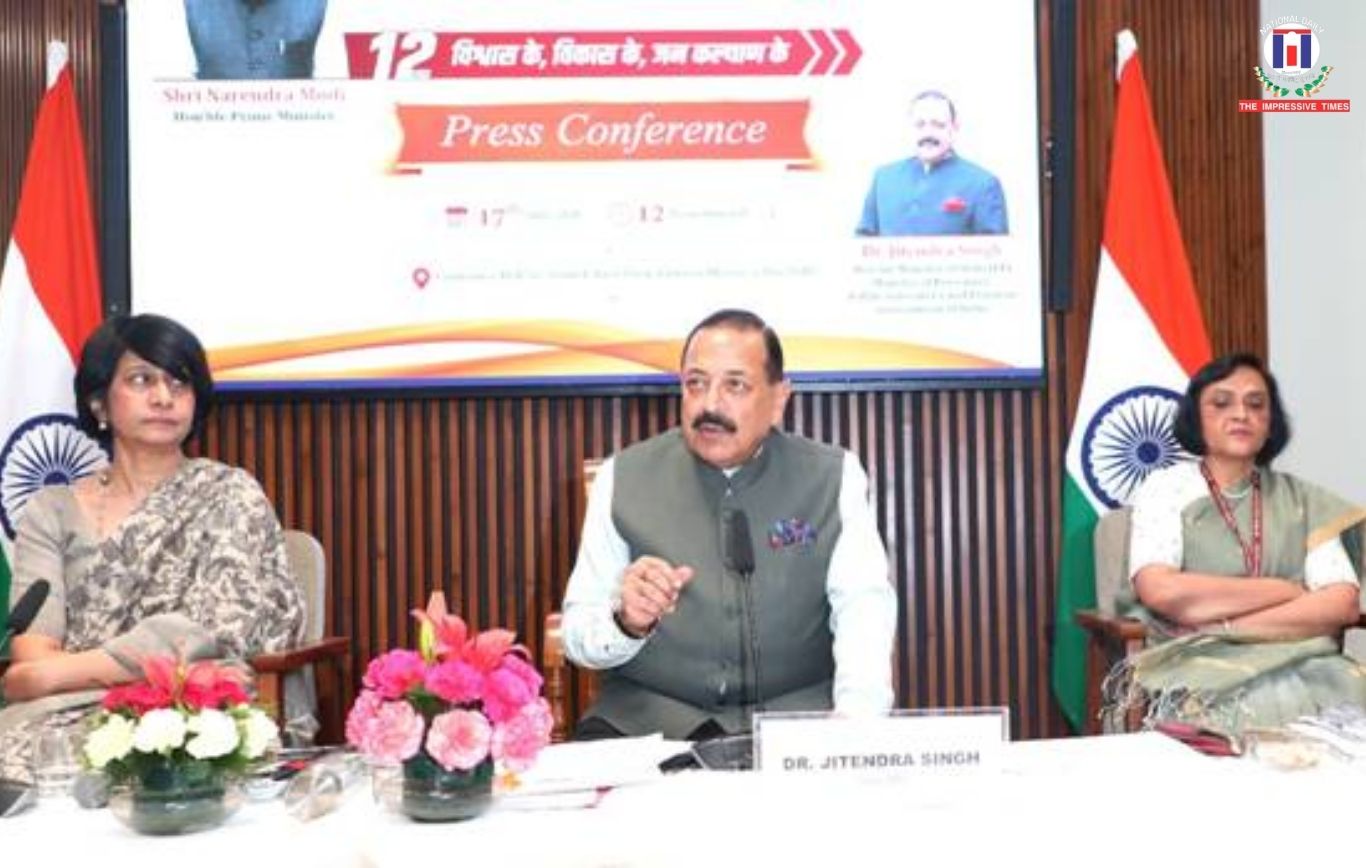
New Delhi, June 17, 2026: Union Minister of State (Independent Charge) for Science & Technology and Earth Sciences, and Minister of State in the Prime Minister’s Office, Personnel, Public Grievances and Pensions, Dr Jitendra Singh, called upon State Governments to adopt and expand the Centre’s best governance practices, stating that technology-led reforms and citizen-focused administration have become powerful instruments of social transformation.
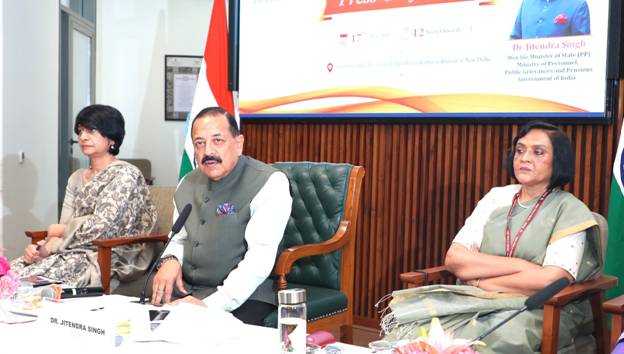
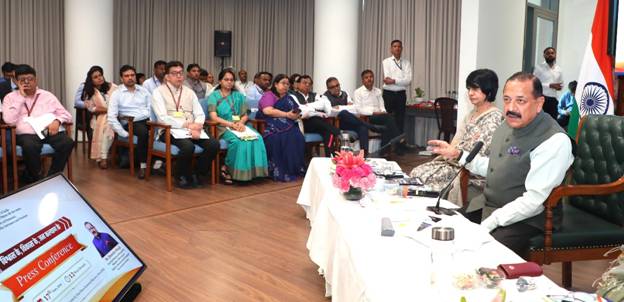
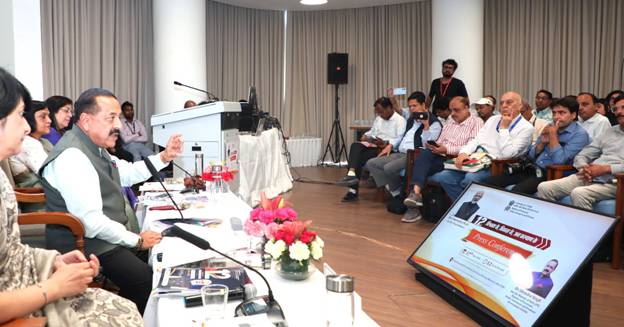
Addressing a press conference marking “12 Years’ Achievements of the Ministry of Personnel, Public Grievances and Pensions,” Dr Jitendra Singh said that reforms introduced over the last decade have fundamentally changed the way governance functions in India. He emphasized that initiatives such as Mission Karmayogi, CPGRAMS, Digital Life Certificate and other digital platforms have improved transparency, accountability and efficiency while bringing government services closer to citizens.

The Minister said that under the leadership of Prime Minister Narendra Modi, governance reforms have moved beyond traditional administrative improvements and have become tools for empowering citizens, strengthening institutions and building trust between the government and the people.

Highlighting the vision of “Good Governance as the foundation of national progress,” Dr Jitendra Singh said the last twelve years have witnessed a major shift from procedure-oriented administration to outcome-based governance. He noted that departments responsible for personnel management, public grievances and pension welfare have evolved into key drivers of innovation and public service delivery.
According to the Minister, the transformation has been guided by three principles — innovation, imagination and inclusion. He said technology has played a decisive role in creating governance systems that are faster, more transparent and accessible, with several Indian models now attracting international attention from countries seeking to strengthen their administrative frameworks.

Recalling the introduction of self-attestation of documents soon after 2014, Dr Jitendra Singh described the reform as a major change in the relationship between citizens and the state. He said the move replaced outdated practices based on verification and suspicion with a system built on trust and responsibility.

He also highlighted the abolition of interviews for Group B (Non-Gazetted) and Group C recruitment, saying the reform reduced subjectivity and strengthened merit-based selection. Technology-based examinations, digital verification systems and transparent recruitment mechanisms have further improved confidence in government appointments, he added.

The Minister stated that initiatives like National Rozgar Mela have strengthened employment opportunities, with more than 12 lakh appointment letters distributed across multiple events since its launch. He said the government’s recruitment reforms reflect its commitment towards fairness, transparency and efficiency.

Dr Jitendra Singh also underlined the importance of social inclusion in governance reforms. He pointed out that measures such as reservation for Economically Weaker Sections, enhanced opportunities for Persons with Benchmark Disabilities and special recruitment drives have helped create a more equitable administrative system.

Speaking about Mission Karmayogi, the Minister described it as one of the world’s most ambitious civil service capacity-building programmes. He said the initiative has changed the approach from rule-based functioning to competency-driven governance. The iGOT Karmayogi platform has created a continuous learning environment for public servants, helping them upgrade skills and prepare for emerging challenges.

He further said artificial intelligence is now being integrated into governance training through tools designed to improve learning and decision-making capabilities. These innovations, he added, will help create a future-ready civil service capable of supporting India’s development ambitions.

Dr Jitendra Singh highlighted CPGRAMS as one of the most successful examples of citizen-centric governance. He said the grievance redressal platform has witnessed a significant rise in citizen participation, reflecting growing confidence in government responsiveness. At the same time, the average time taken to resolve grievances has reduced substantially due to technology-enabled monitoring and accountability mechanisms.

The Minister noted that digital transformation has become a defining feature of India’s governance journey. From e-Office and digital performance systems to online services and AI-based citizen interfaces, technology has reduced delays, improved transparency and strengthened accessibility.

On pension reforms, Dr Jitendra Singh said the government has adopted a more humane approach by focusing on dignity and convenience for retired employees. He highlighted the success of the Digital Life Certificate initiative, particularly face authentication technology, which has reduced the need for elderly pensioners to visit government offices physically.

He also mentioned Pension Adalats, the Bhavishya platform and other initiatives aimed at simplifying pension processes and ensuring timely delivery of benefits. These reforms, he said, represent a shift from merely processing pensions to improving the quality of life of senior citizens.

The Minister also spoke about employee welfare measures, including expanded maternity benefits, provisions related to special leave and reforms addressing long-standing social concerns. He said governance becomes meaningful when it responds to the real-life needs of citizens.

Dr Jitendra Singh stressed that the Centre’s governance models should be adopted widely by states to accelerate India’s journey towards Viksit Bharat 2047. He said cooperation between the Centre and states is essential for ensuring that successful reforms reach every part of the country.

Concluding his remarks, the Minister said the past twelve years have demonstrated that effective governance is not only about policies but about improving everyday experiences of citizens. With trust, technology and inclusion as guiding principles, India has laid a strong foundation for becoming a developed nation by 2047.


No Comments:

Leave a Reply

Your email address will not be published. Required fields are marked *

National News

Education
More News