Luxury to Simplicity: Why the ‘Underconsumption Core’ Trend Is Going Viral Among Young Consumers
The Underconsumption Core Trend encourages mindful spending, sustainability and smarter financial habits among young consumers.

 The Impressive Times
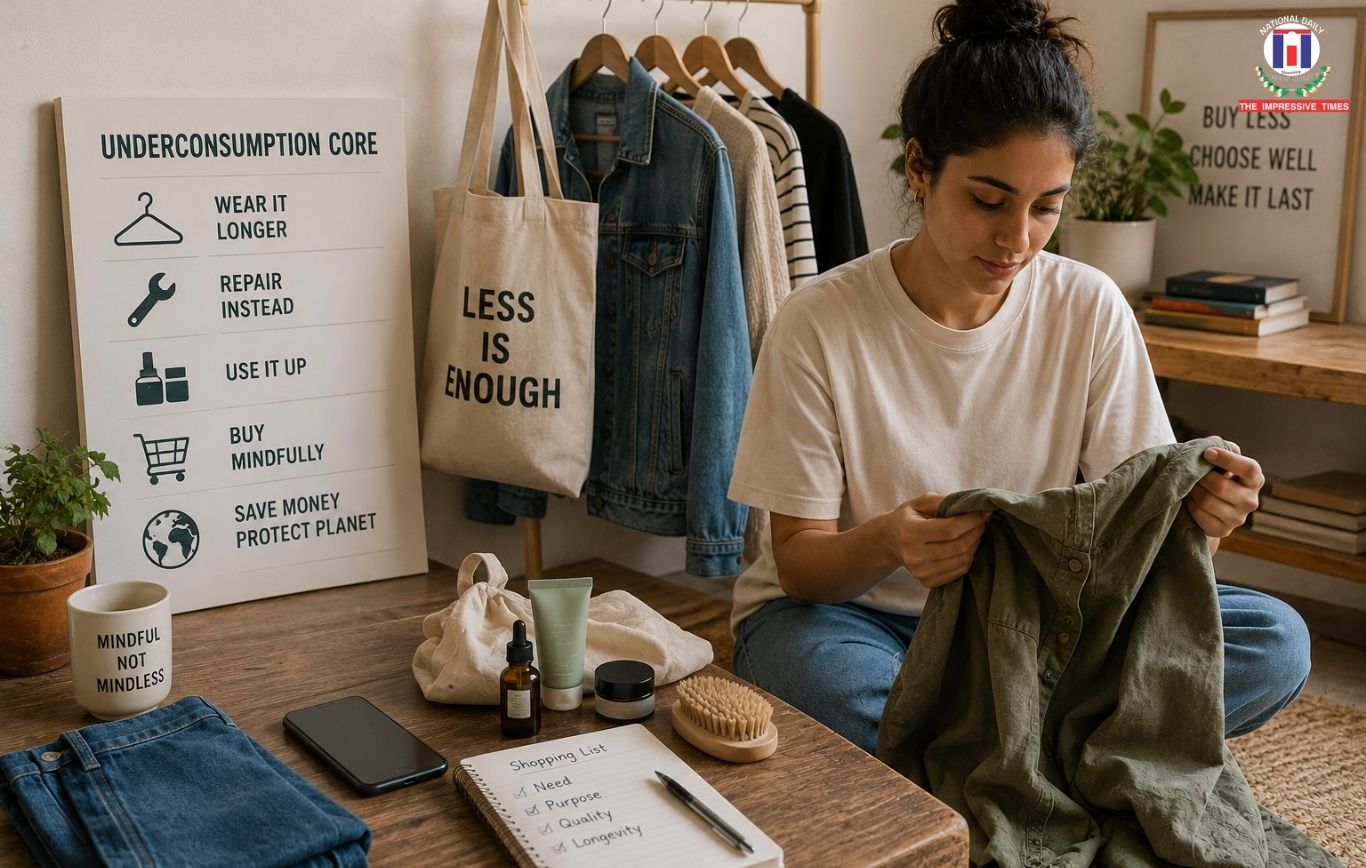
New Delhi, May 24, 2026: A growing number of young consumers are embracing a new lifestyle trend known as “Underconsumption Core,” rejecting excessive spending on fashion, beauty products, and gadgets in favor of mindful consumption. The movement, which has gained significant traction online, reflects a broader shift toward financial responsibility, sustainability, and intentional living.
Unlike trends that encourage frequent shopping and constant upgrades, Underconsumption Core promotes using existing possessions for as long as possible. Supporters of the trend advocate repairing items, finishing products before buying replacements, and avoiding impulse purchases driven by social pressure or changing fashion cycles.
The trend has resonated particularly with Generation Z and younger millennials, many of whom are facing rising living costs, economic uncertainty, and growing concerns about environmental sustainability.
For years, social media-driven consumer culture encouraged users to showcase large fashion hauls, beauty collections, and the latest technology purchases. Underconsumption Core offers a contrasting narrative by celebrating simplicity and practicality.
Participants often share videos highlighting well-used clothing, older smartphones that still function effectively, and minimalist beauty routines. The message is clear: value comes from utility and longevity rather than constant consumption.
Economic factors have played a major role in the trend’s rise. With inflation, housing expenses, and education costs affecting household budgets, many young consumers are looking for ways to save money without sacrificing quality of life.
Financial experts note that reducing unnecessary purchases can help individuals build emergency savings, manage debt more effectively, and achieve long-term financial goals. As a result, Underconsumption Core is increasingly being viewed not only as a lifestyle choice but also as a practical financial strategy.
Environmental concerns are another key driver behind the movement. Fast fashion, electronic waste, and overproduction have come under increasing scrutiny from consumers and environmental advocates alike.
By purchasing fewer items and extending the life cycle of products, supporters believe they can reduce waste and lower their environmental footprint. The trend aligns with broader sustainability efforts aimed at promoting responsible consumption and reducing resource depletion.
The growing popularity of Underconsumption Core is prompting some brands to adapt their strategies. Companies are increasingly highlighting product durability, repair services, and long-term value rather than encouraging frequent replacements.
Industry analysts suggest that businesses focusing on quality, transparency, and sustainability may benefit as consumer preferences continue to evolve.
Experts believe Underconsumption Core reflects a deeper cultural shift rather than a temporary social media phenomenon. As younger generations prioritize financial wellness, environmental responsibility, and authenticity, the movement is reshaping traditional ideas about status and success.
Rather than measuring value through accumulation, Underconsumption Core encourages consumers to make thoughtful purchasing decisions and appreciate what they already own. As the trend continues to gain momentum, it is emerging as a powerful response to the culture of overconsumption that has dominated much of the digital age.




































No Comments: