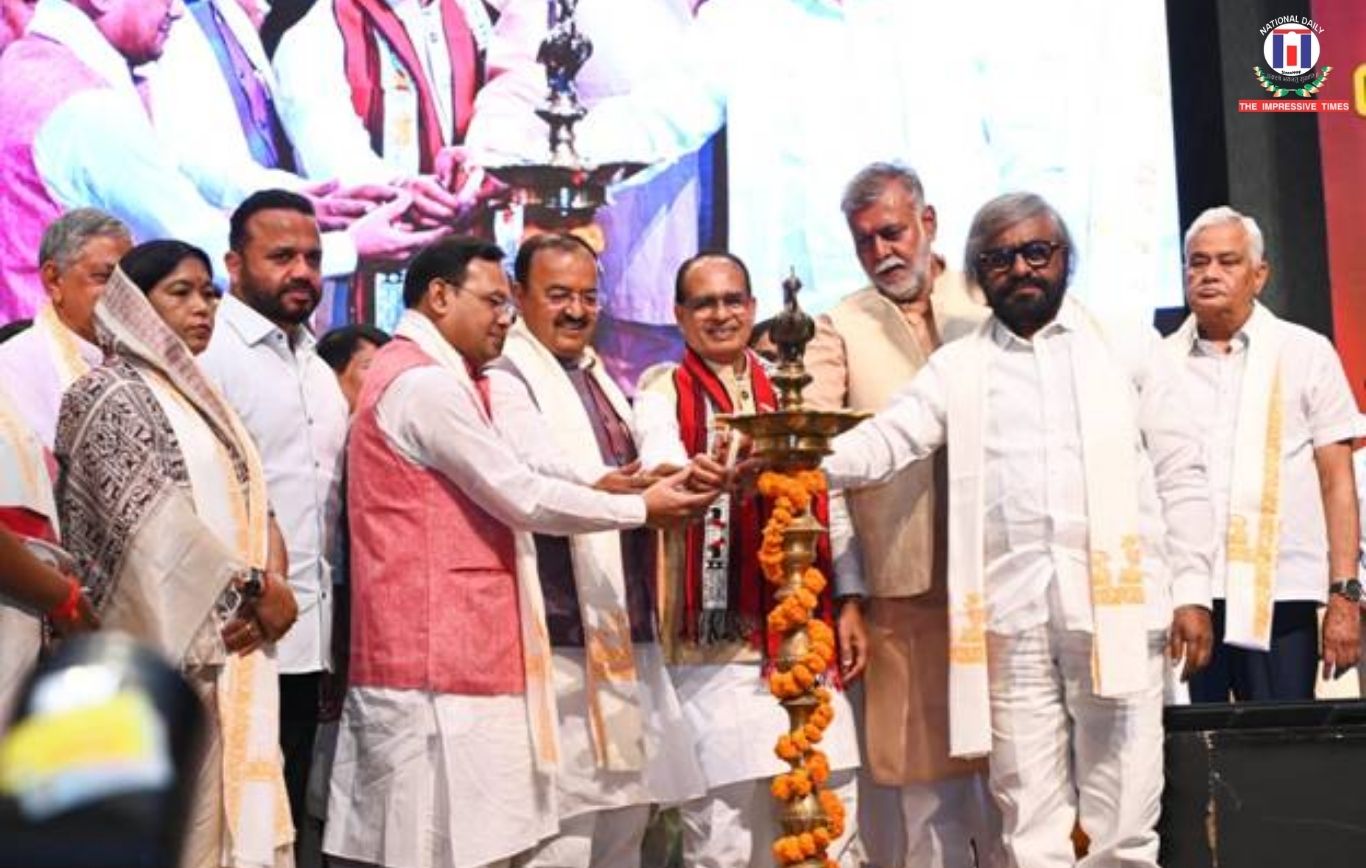
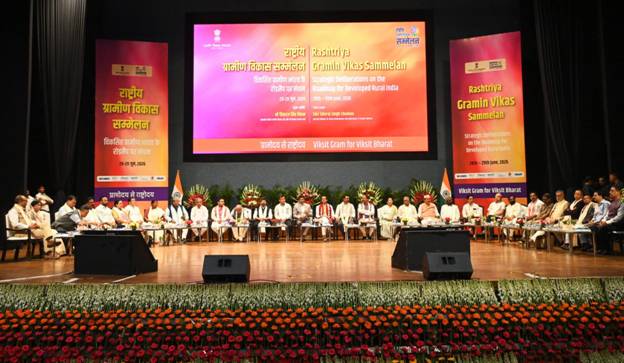
New Delhi, June 29, 2026: The two-day Rashtriya Gramin Vikas Sammelan concluded in the national capital with a renewed commitment towards transforming India’s villages into engines of growth, self-reliance, and sustainable development. Chaired by Union Minister for Rural Development and Agriculture & Farmers’ Welfare Shivraj Singh Chouhan, the conference brought together Rural Development Ministers, senior officials, and policymakers from 29 states and Union Territories on a single platform for the first time to create a collective roadmap for achieving the vision of “Developed Villages – Developed India.”
Held under the theme ‘Gramodaya Se Rashtrodaya’, the summit focused on strengthening rural infrastructure, improving governance, expanding livelihood opportunities, and ensuring that development reaches every village household. The discussions reflected a broader shift in the approach to rural development, where villages are being viewed not merely as beneficiaries of welfare schemes but as active contributors to India’s economic progress.
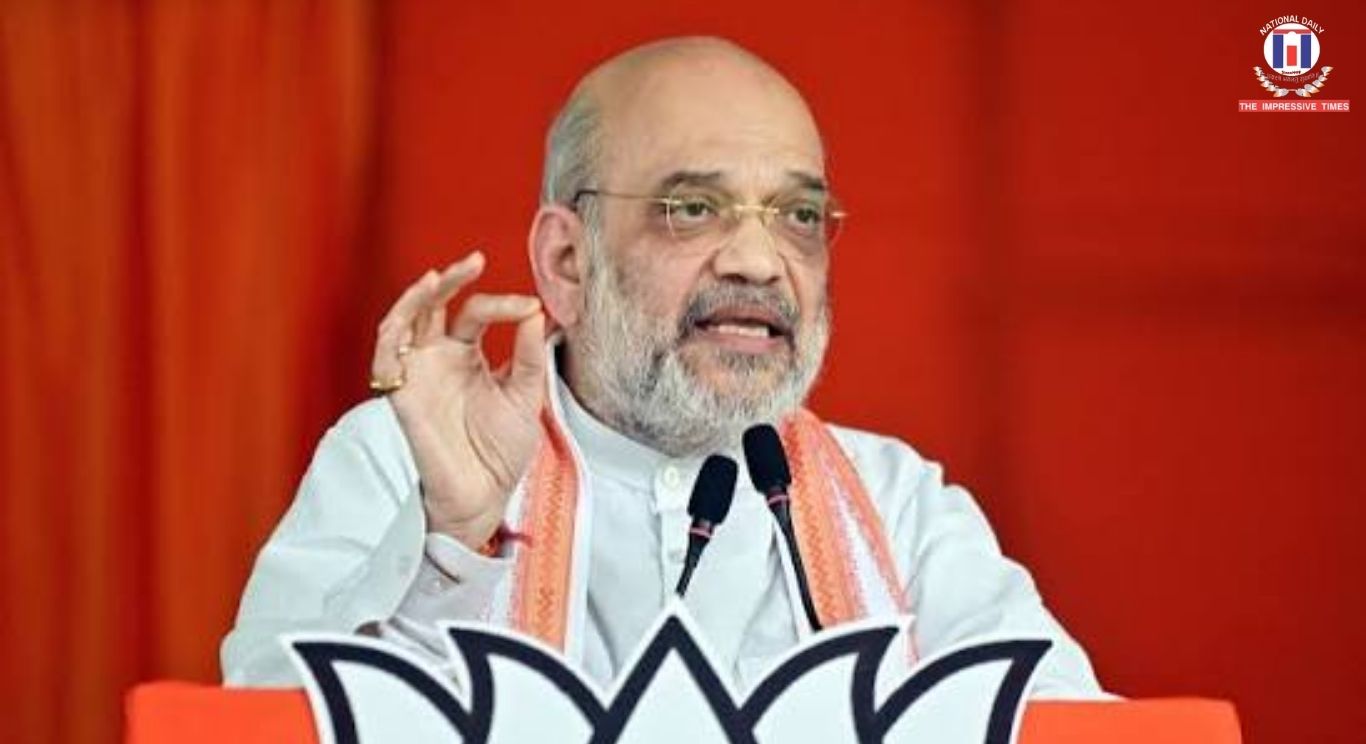
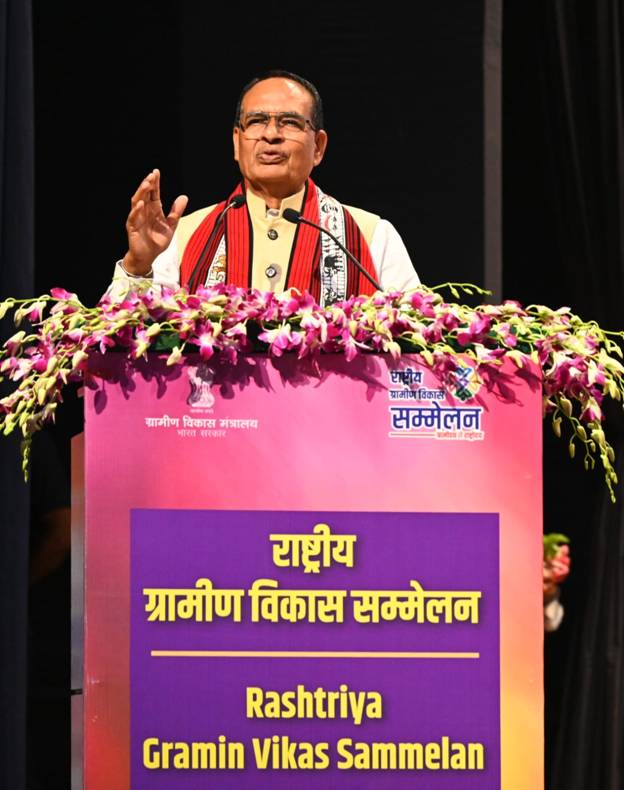
Addressing the gathering, Shivraj Singh Chouhan emphasised that villages represent the foundation of India’s growth story. He said the country’s journey towards becoming a developed nation cannot be completed unless rural communities become prosperous, empowered, and equipped with modern facilities. According to him, villages are not just geographical locations but the “strength and consciousness” of the nation.
The participation of representatives from 29 states and Union Territories marked a significant moment in cooperative federalism. Ministers and officials discussed challenges, shared successful models, and explored ways to improve coordination between the Centre and states. The summit focused on moving beyond political differences and creating a partnership-based approach to accelerate development at the grassroots level.
A major announcement during the conference was the nationwide rollout of the ‘Viksit Bharat – VB-GRAM-G’ scheme from July 1. The initiative aims to strengthen rural employment and development efforts while aligning village-level growth with the larger vision of a developed India. The Union Minister informed that an interim approval of ₹95,682 crore has already been granted for implementing the programme and urged states to complete necessary procedures quickly to ensure a smooth transition.
The summit also placed strong emphasis on women-led rural development. The launch of the ‘Lakhpati Didi Dashboard’ and the digital platform ‘SHE LEAPS’ marked a major step towards strengthening women’s entrepreneurship through Self-Help Groups. The initiatives are designed to support women in building sustainable enterprises, improving access to finance, and creating long-term livelihood opportunities.
Highlighting the government’s expanded goal of increasing the number of Lakhpati Didis, Chouhan said efforts are being accelerated to empower rural women economically. The planned bank linkage strategy of ₹10 lakh crore over five years is expected to provide stronger financial support to women-led community enterprises and improve economic participation in villages.
The Union Minister also called for greater use of technology, artificial intelligence, and digital monitoring systems to improve transparency and efficiency in rural schemes. He stressed that technology should become a tool for better service delivery, reducing delays, and ensuring that benefits reach the intended beneficiaries without unnecessary hurdles.
During discussions on implementation challenges, Chouhan highlighted the importance of timely release of funds by states and filling vacant positions in rural development departments. He noted that delays in financial transfers and shortage of manpower can affect the pace of development projects. He also suggested that officials handling key rural programmes should ideally remain in their positions for two to three years to maintain continuity and accountability.
Housing remained one of the key focus areas of the conference. Reviewing the progress of rural housing programmes, road connectivity projects, and skill development initiatives, the minister reiterated the government’s commitment to ensuring that every eligible rural family receives a permanent house with basic amenities. He stated that no deserving beneficiary should be excluded due to administrative delays.
The summit also discussed the need to prepare rural areas for environmental and climate-related challenges. Expressing concern over possible rainfall shortages, the minister urged states to strengthen water conservation measures and prepare contingency plans to protect livelihoods. He emphasised that advance planning is essential to manage agricultural and employment challenges during difficult weather conditions.
Another important aspect of the gathering was the exchange of best practices among states. Successful initiatives related to marketing models, rural enterprises, and livelihood programmes from various states were highlighted as examples that could be adopted elsewhere. The Centre assured states of continued support in resolving policy-level issues and improving implementation frameworks.
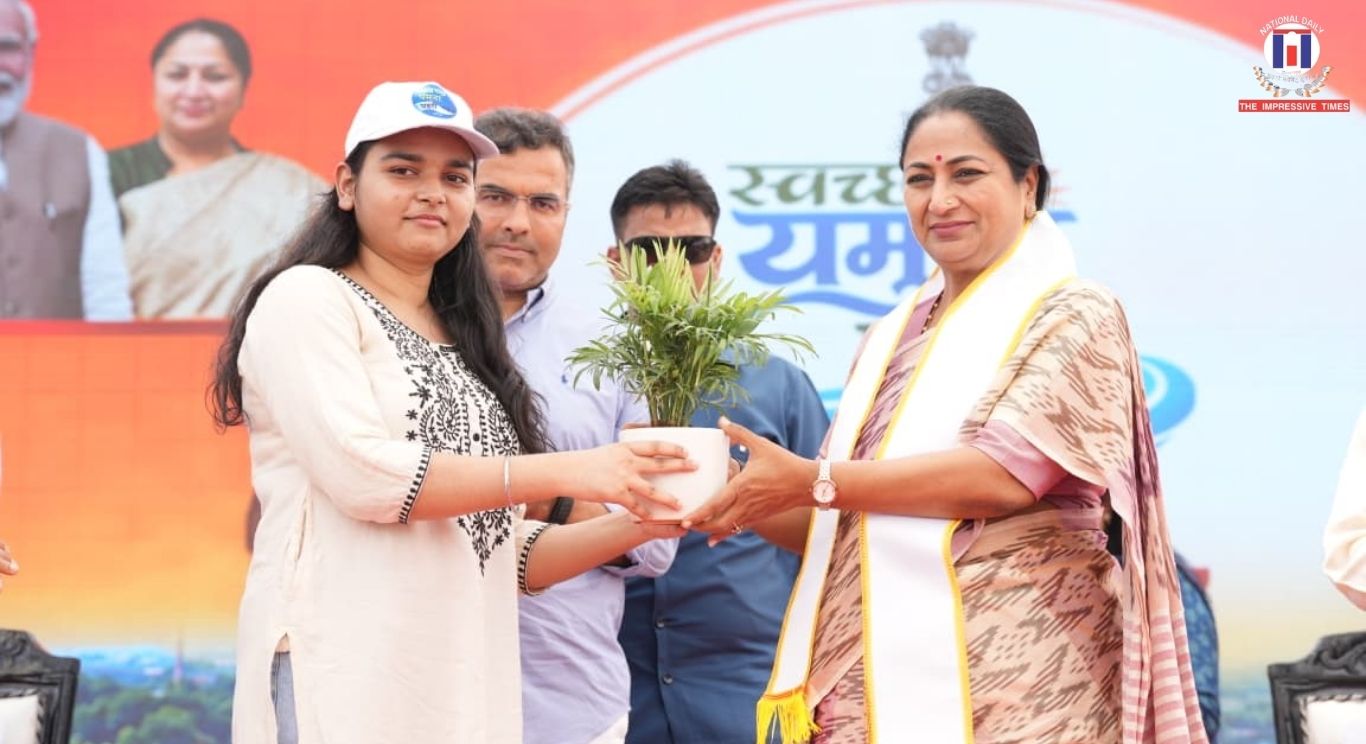
The conference concluded with recognition of innovation and youth participation in rural transformation. Winners of competitions organised under the VB-GRAM-G initiative were felicitated, while publications showcasing new ideas and approaches in rural development were released.
The outcomes of the Rashtriya Gramin Vikas Sammelan indicate a renewed effort to place villages at the centre of India’s development strategy. With a focus on technology, entrepreneurship, infrastructure, and cooperative governance, the summit outlined a pathway where rural progress becomes the foundation for national advancement. The message emerging from the conference was clear: India’s future growth will depend not only on its cities but also on the strength, resilience, and prosperity of its villages.



























No Comments: