‘No-Buy Year’ Trend Goes Viral: How People Are Saving Thousands and Transforming Their Spending Habits
By cutting non-essential spending, participants are not only saving substantial amounts but also developing healthier financial habits, making the challenge one of the most talked-about lifestyle movements of 2026.
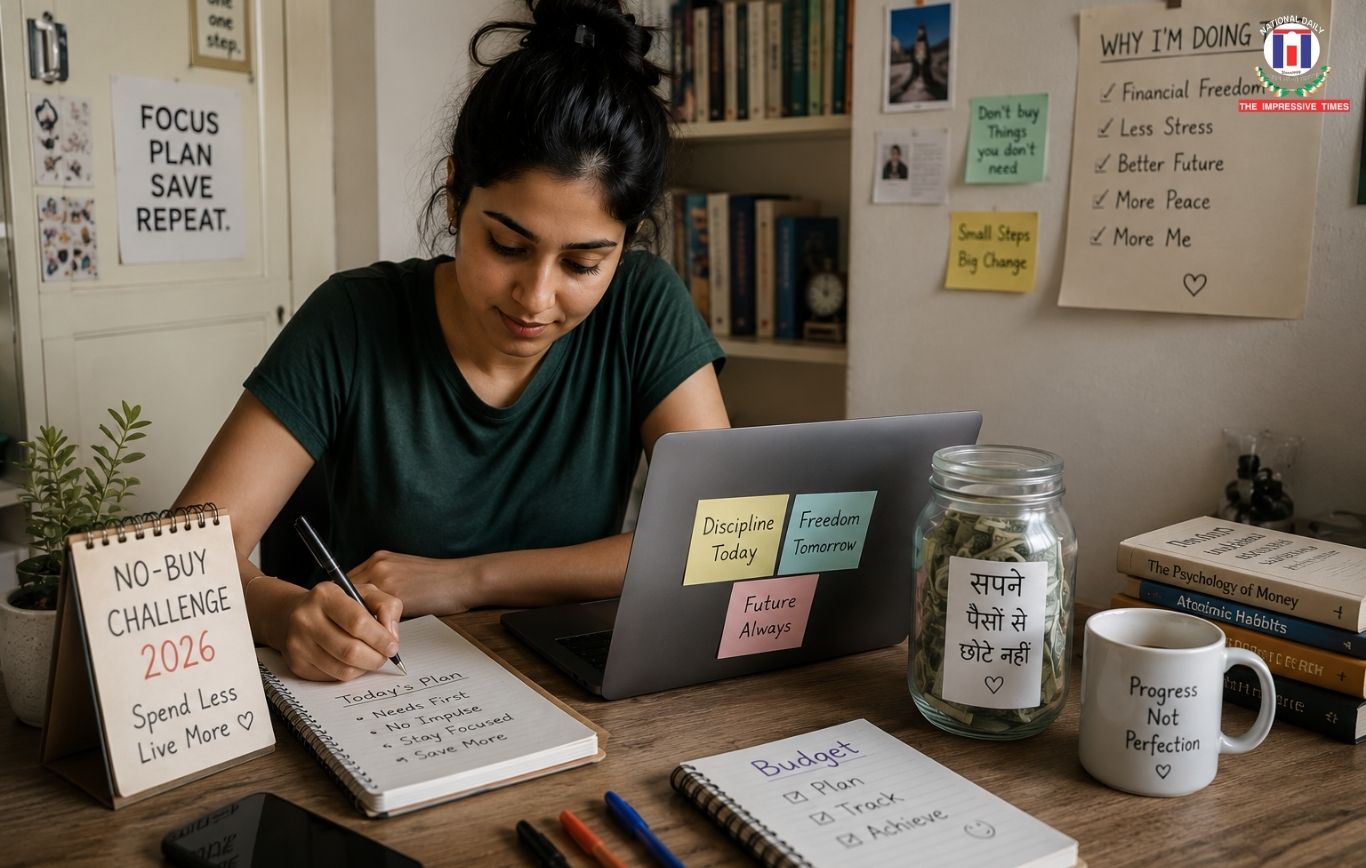
New Delhi, May 24, 2026: A growing number of consumers are taking part in the “No-Buy Challenge 2026,” a personal finance and lifestyle movement that encourages participants to stop purchasing non-essential items for a set period, ranging from a month to an entire year. The trend has gained significant momentum online, with people documenting their journeys, savings, and lifestyle changes through videos, blogs, and social media updates.
What Is the No-Buy Challenge?
The No-Buy Challenge is based on a simple concept: participants commit to avoiding unnecessary purchases while continuing to spend on essentials such as food, housing, healthcare, and transportation. Commonly restricted categories include fashion, beauty products, home décor, gadgets, and impulse purchases.
Supporters say the challenge helps them become more conscious of their spending habits and distinguish between needs and wants.
A Response to Rising Costs
Economic pressures are one of the key reasons behind the trend’s popularity. With inflation, increasing housing expenses, and higher living costs affecting household budgets, many consumers are looking for practical ways to improve their financial stability.
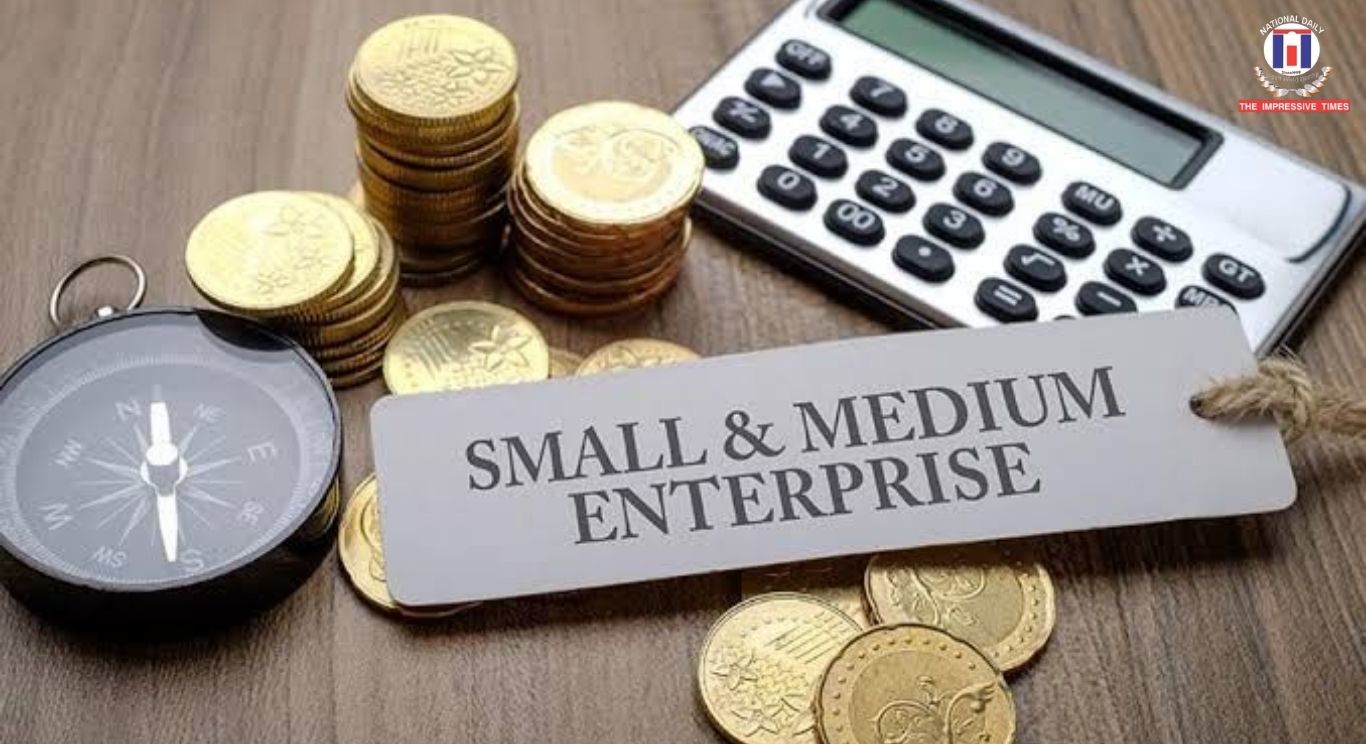
Financial planners note that reducing discretionary spending can significantly boost savings, helping individuals create emergency funds, pay off debt, and invest for long-term goals.
Social Media Turns Saving Into a Movement
The challenge has evolved into an online community where participants share budgeting strategies, progress reports, and personal achievements. Many users post monthly updates showing how much money they have saved by resisting impulse purchases and adopting more intentional spending habits.
Unlike traditional shopping trends, the No-Buy movement celebrates financial discipline, encouraging users to find satisfaction in saving rather than spending.
Breaking the Cycle of Impulse Buying
Many participants say the challenge has helped them identify emotional and habitual spending patterns. Frequent online shopping, flash sales, and targeted advertising often encourage unnecessary purchases, making it difficult for consumers to stay within budget.
By setting clear spending rules, participants report becoming more mindful about purchases and developing healthier financial behaviors.
Beyond personal finance, the No-Buy Challenge is also gaining support from sustainability advocates. Reducing unnecessary consumption can decrease waste, lower demand for fast fashion, and reduce the environmental impact associated with manufacturing and shipping products.
Experts say the movement aligns with broader efforts to promote sustainable lifestyles and responsible consumer behavior.
Challenges and Criticism
While many participants report positive results, some experts caution that the challenge may not be suitable for everyone. Strict spending restrictions can be difficult to maintain over long periods, and unrealistic goals may lead to frustration.
Financial advisors recommend creating balanced and achievable spending plans rather than imposing overly restrictive rules that are difficult to sustain.
A Growing Lifestyle Trend
The No-Buy Challenge is increasingly being viewed as more than a short-term budgeting exercise. For many participants, it serves as a catalyst for long-term changes in financial management, consumption habits, and personal priorities.
As economic uncertainty and sustainability concerns continue to influence consumer behavior, the movement is attracting individuals seeking greater control over their finances and lifestyles.







































No Comments: