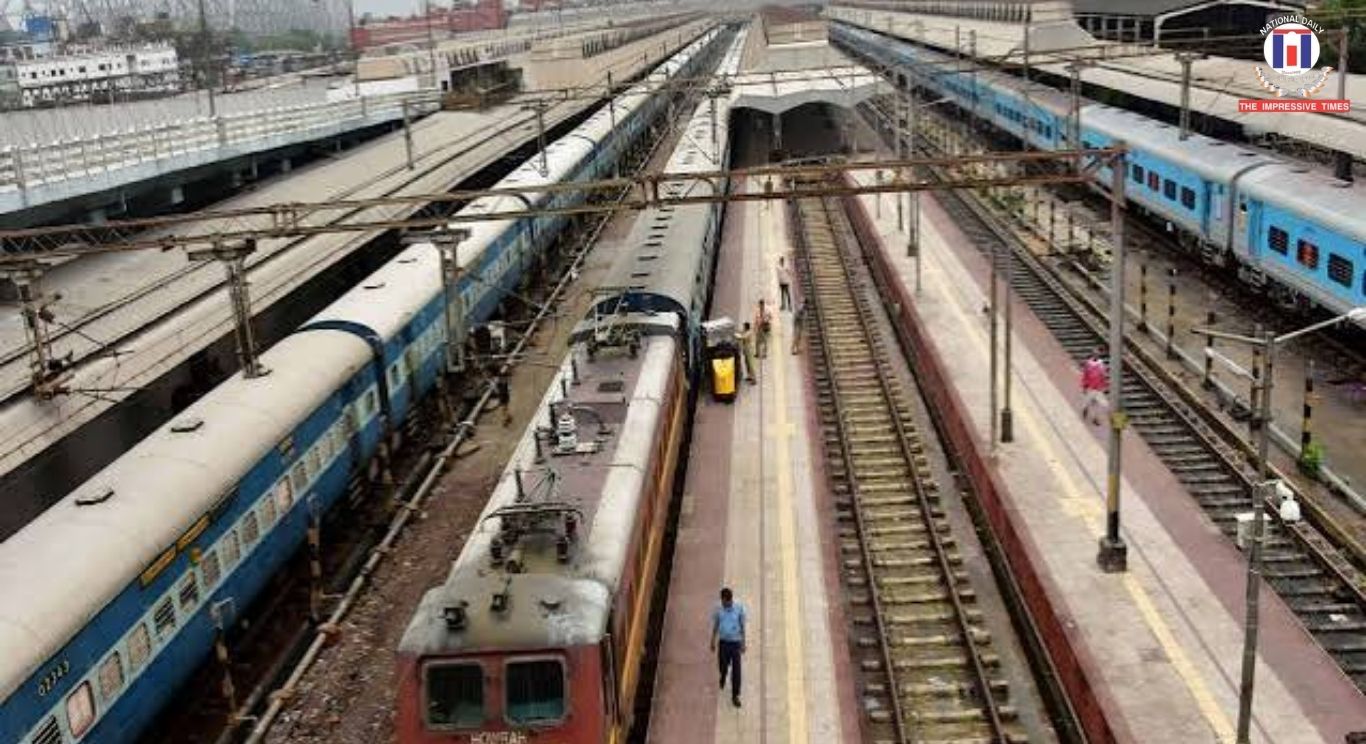
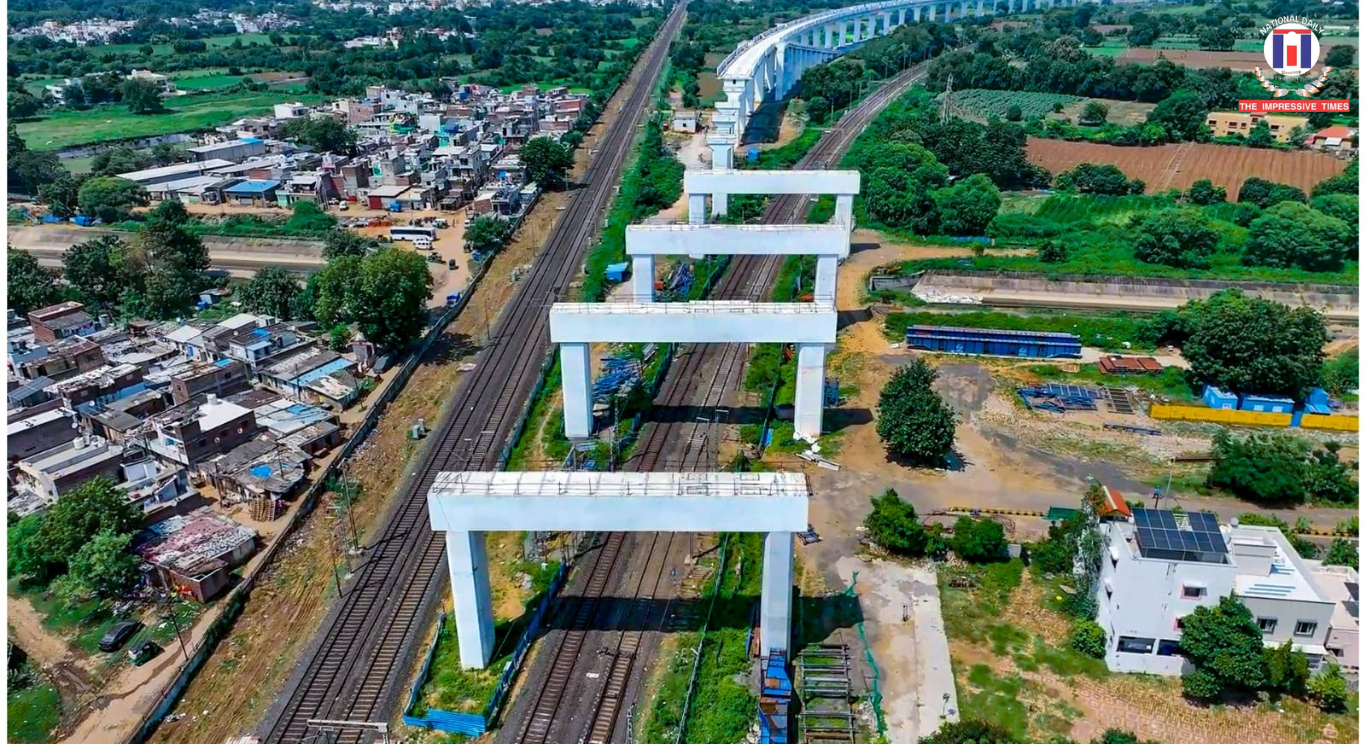
New Delhi, April 15, 2026: The Delhi government has approved the construction of a 4.7 kilometre long flood protection wall along the Yamuna River stretch between Majnu Ka Tila and the Old Railway Bridge, aiming to safeguard low lying areas from recurring flood threats.
Chief Minister Rekha Gupta said the project, cleared as part of the budget, is designed to prevent river water from entering residential zones during periods of high flow. The structure is expected to act as a strong barrier protecting vulnerable localities such as Civil Lines, Kashmere Gate and Yamuna Bazaar, which have historically faced severe flooding.
Officials indicated that the project is targeted for completion before the 2027 monsoon season, taking into account past instances when rising water levels disrupted normal life in the city. During previous floods, key stretches near Majnu Ka Tila and Ring Road were submerged, causing widespread inconvenience and damage.
The proposal is based on recommendations from the Joint Flood Committee, which relied on technical assessments and hydraulic studies conducted by experts. The findings suggested that constructing a protective wall along this stretch would offer a durable solution to the city’s flood management challenges.
However, several environmental experts have raised concerns over the long term impact of such a structure. They argue that altering the river’s natural flow and restricting its floodplains could harm the ecosystem and potentially shift flood risks to downstream areas, particularly in eastern parts of Delhi.
Experts also cautioned that excessive structural interventions may weaken the river’s natural ability to manage floods, advocating instead for solutions that preserve and expand natural buffers. They stressed that sustainable flood management should align with the river’s ecological dynamics rather than relying solely on engineered barriers.
Despite the criticism, the government maintains that the project is essential to protect urban infrastructure and residential zones from future flood risks, especially in light of rising water levels recorded in recent years.


















![UEFA Champions League: 10-men United fall 2-0 to Atleti; Viking hold Bayern to 3-3 draw ANI | Updated: Oct 14, 2026 09:08 IST Madrid [Spain], October 14 (ANI): Manchester United’s 2026/27 season is turning out to be a disaster after the club showed promise following Michael Carrick taking the helm of the club in January, as it faced another loss on Tuesday (local time). In its first away fixture for this season’s UEFA Champions League at the Estadio Metropolitano stadium, the Red Devils were handed a 2-0 defeat by Atletico Madrid, causing the club more misery as it also struggles domestically. Pablo Barrios scored inside the opening minute for Atletico before substitute Ademola Lookman sealed the victory late in the second half. Barrios capitalised on an early lapse in Manchester United’s defence to put Atletico ahead within the first 60 seconds of the match. Despite the initial shock of conceding so early, United pushed for an equaliser, with Bryan Mbeumo leading the attack on most occasions without any significant result. The hosts controlled much of the first half with their high-intensity pressing and possession. Alejandro Grimaldo came close to extending the lead with a free kick that struck the woodwork. Manchester United looked to respond after the break but struggled to create any clear chances against Atletico’s defence. Bruno Fernandes came close to equalising in the 70th minute, rattling the crossbar with an effort from distance. ‹› United’s task became more difficult in the 74th minute when defender Leny Yoro received a red card over a reckless challenge on Jonathan David. Atletico made their numerical advantage count five minutes later. Lookman, who had come on as a substitute, reacted quickest after goalkeeper Senne Lammens parried Jonathan David’s initial shot and found the back of the net in the 79th minute to seal the victory. Both teams have now recorded one win and one defeat in the opening stages of the Champions League league phase. Elsewhere, Norwegian side Viking FK held Bayern Munich to a dramatic 3-3 draw in the league phase. Viking mounted a late comeback to earn a draw after Bayern had overturned a two-goal deficit. At the Viking Stadion in Stavanger, Norwegian side Viking FK held Bayern Munich to a 3-3 draw, scoring a dramatic late equaliser after the German side had overturned a two-goal deficit. Gianni Stensness gave Viking an early lead in the second minute with a header from a corner before Peter Christiansen doubled their advantage in the 38th minute. Bayern responded after the break, with Harry Kane scoring twice in the 54th and 60th minutes to level the score. Luis Diaz put the visitors ahead in the 71st minute. However, Bayern were reduced to 10 men three minutes later after Michael Olise received his second yellow card. Viking capitalised on the advantage as Herman Haugen scored in the 90th minute to secure a 3-3 draw. With one win and one draw, Bayern are placed fourth with four points, while Viking are 26th with a draw and a loss. (ANI)](https://impressivetimes.com/wp-content/uploads/2026/10/TIT-Website-Image-4-5.jpg)

















No Comments: