Bill Gates Says AI Could Deepen Inequality Without Strong Safeguards
Bill Gates cautions that the rapid expansion of artificial intelligence could either reduce inequality or create deeper social and economic divides.

 The Impressive Times
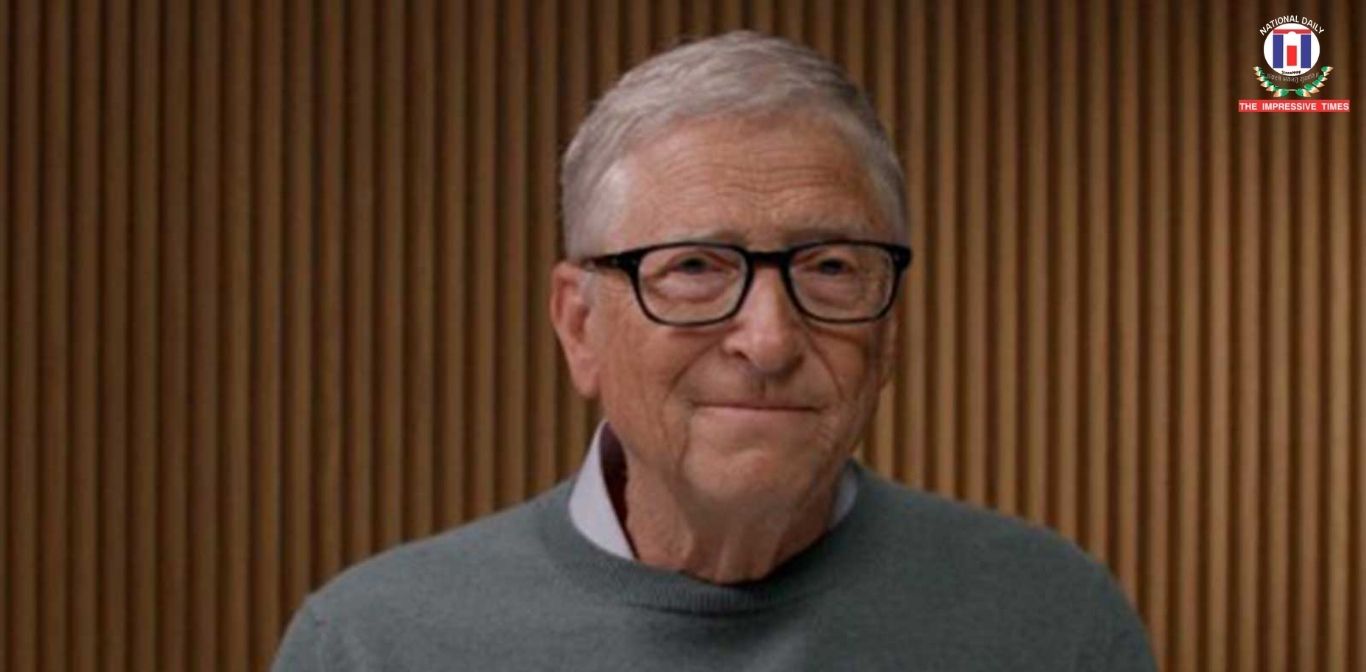
New Delhi, August 27, 2026; Microsoft co-founder Bill Gates has cautioned that the rapid rise of artificial intelligence could reshape society in profound ways, warning that the technology may either help narrow economic disparities or create new forms of injustice.
In a recent essay titled “The turbulent AI era is here. The choices we make now are critical,” Gates described the coming transition as one of the most challenging periods in modern history. He argued that governments, technology leaders and communities need to prepare more seriously for the social and economic consequences of increasingly capable AI systems.
Gates highlighted concerns over workers whose jobs could be disrupted as artificial intelligence becomes capable of performing tasks previously handled by humans. He also questioned whether adequate measures are being developed to protect people who may lose their livelihoods or feel they have less control over their economic future.
According to Gates, the potential benefits of AI are substantial, but they will not automatically reach all sections of society. He stressed the need to ensure that advances in technology do not disproportionately benefit wealthy countries and communities while leaving vulnerable populations behind.
The Microsoft co-founder also pointed to the limitations of current AI systems. Despite their rapid development, he noted that AI models can still make basic errors, raising questions about how quickly they can progress toward capabilities that rival or surpass human reasoning across a wide range of activities.
Reflecting on his decades in the technology industry, Gates said his early exposure to computers sparked his interest in creating machines capable of carrying out increasingly sophisticated tasks. He observed that although artificial intelligence has existed as a concept for decades, its capabilities have accelerated dramatically in recent years.
Gates further said that his assessment of AI is not primarily driven by its potential to increase his personal wealth. He stated that profits from his investments, including those connected with technology, are intended to support the Gates Foundation’s efforts to address global inequality.
He called for greater attention to the people most likely to be affected by the AI transition, arguing that the decisions made today will play a crucial role in determining whether artificial intelligence becomes a force for broader opportunity or contributes to deeper social and economic divisions.











































No Comments: