India’s Live Events Sector Grows 44%; Government Targets Doubling of Industry by 2030
LEDC reviews single-window clearances, national music licence, pre-approved venues and infrastructure support for live events

 The Impressive Times
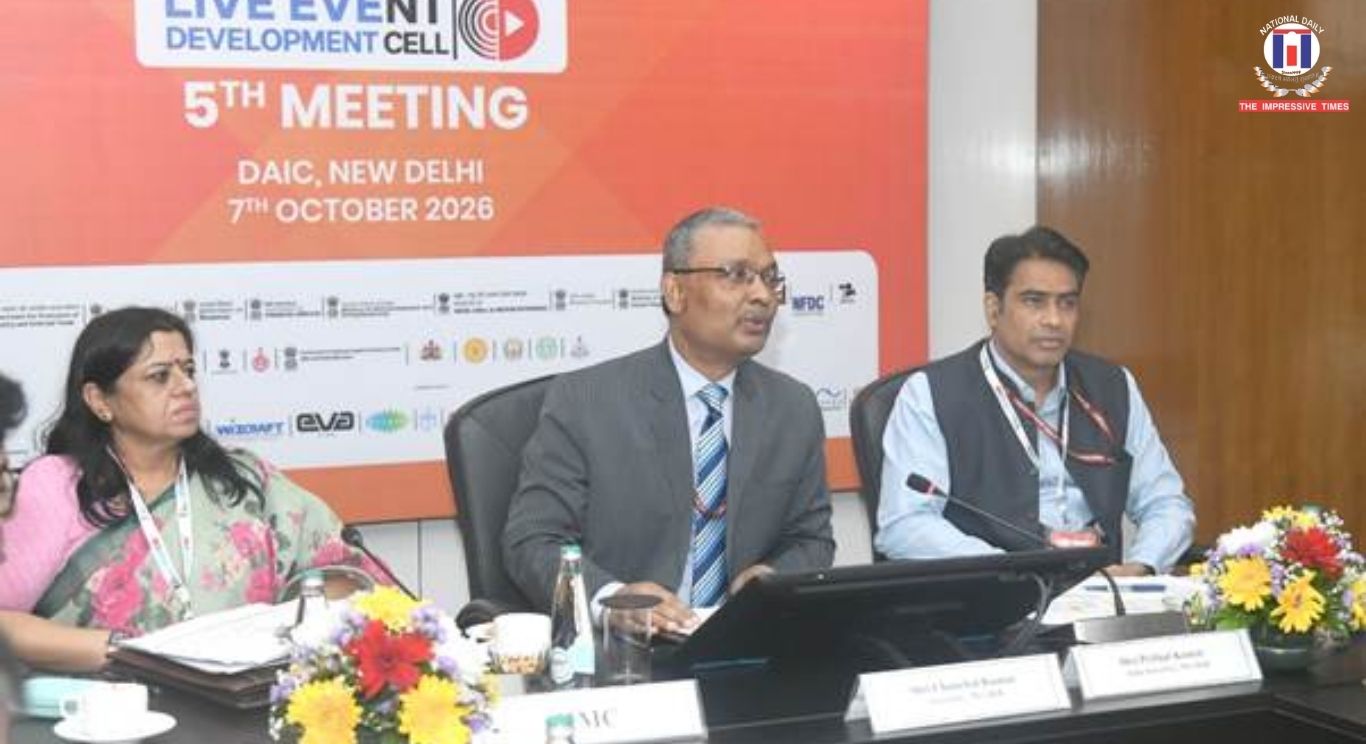
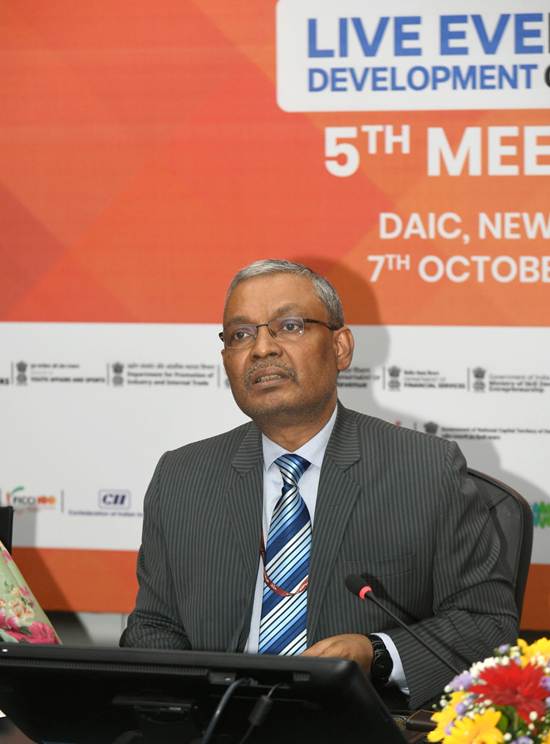
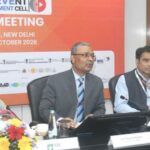
New Delhi, October 7: India’s live events sector has grown by 44 per cent over the past year, with around 34,000 events organised across the country and the industry now supporting more than one crore livelihoods, Secretary, Ministry of Information & Broadcasting, Chanchal Kumar, said on Wednesday.
Addressing the 5th meeting of the Live Events Development Cell (LEDC), Kumar said the Government has set a target of doubling the live events sector by 2030, with the potential to generate 15–20 million direct and ancillary jobs.
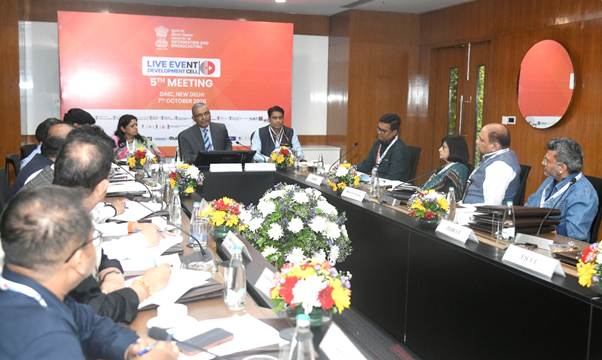
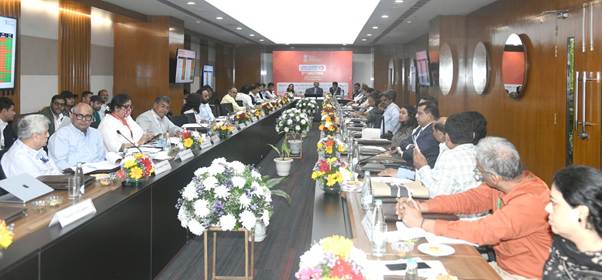
He described the LEDC as an example of cooperation between the Centre, States and the industry. The cell brings together 14 Central Ministries and Departments, 10 States and Union Territories, and 21 industry bodies.
Kumar highlighted reforms undertaken through the LEDC, including the Model Executive Order, Single Window Portal on India Cine Hub, streamlined clearances and skilling initiatives. The number of States and UTs with designated nodal officers has also increased from 16 to 29.
The meeting reviewed implementation of the Single Window Clearances Portal for the live events industry on the India Cine Hub portal.
States and UTs were urged to designate nodal officers, nominate authorised officials from relevant departments and integrate departmental and local licensing systems with the portal. They were also asked to route the complete licence lifecycle through the platform, onboard live event venues and notify live event licensing as a time-bound public service.
Five States have so far adopted the “Model Executive Order for Streamlining Licensing and Permissions for Live Events in India, 2026”, which was circulated to States and UTs on March 13, 2026. Maharashtra has adopted the order and presented its implementation framework during the meeting.
The remaining States and UTs were urged to accelerate its adoption. The meeting was also informed that the Ministry of Home Affairs has streamlined FRRO re-registration requirements for short-term stays by foreign performers.
The LEDC called for coordinated action by Central Ministries on several measures, including group visa provisions for artists and crews, customs duty exemptions for show equipment, integration of live entertainment skills into the National Skills Qualification Framework (NSQF), and the creation of training, certification and apprenticeship programmes.
The Ministry of Tourism was urged to promote India as a global hub for event-based tourism. Other proposals included financial incentives, GST rationalisation, CSR alignment, infrastructure financing through Viability Gap Funding (VGF) and blended finance, and recognition of the live entertainment sector under the MSME framework.
The meeting also discussed a single national music licence with notified tariffs to address overlapping licensing demands from multiple rights societies.
Other proposed reforms included notified entertainment precincts under the Noise Pollution (Regulation and Control) Rules, 2000, and relaxation of caps on foreign remittances for payments to international artists.
The meeting reviewed the concept of pre-approved venues, under which major venues would receive standardised approvals so organisers would not have to obtain the same venue-level permissions repeatedly for individual events.
The Archaeological Survey of India (ASI) and Sports Authority of India (SAI) have already issued standard operating procedures for organising live events at their respective assets.
The LEDC also reviewed the framework for Brownfield and Greenfield Venue Development to address the shortage of purpose-built live event infrastructure.
State Governments, industry stakeholders and sports authorities were asked to provide feedback on the draft framework. Proposals include identifying and developing purpose-built venues, including live event and performance venues above a specified capacity in the Harmonised Master List of Infrastructure Sub-sectors, and providing project support through the VGF scheme.
The Live Event Skilling Committee, chaired by the Vice Chancellor of the Indian Institute of Mass Communication (IIMC), presented progress on its skilling curriculum.
The committee highlighted the MoU between IIMC, Media & Entertainment Skills Council (MESC) and EEMA, along with certificate and short-term courses in live events. Stakeholders were encouraged to adopt these modules through their respective skilling institutions.
The meeting also proposed Inclusivity Guidelines for Safety of Women and Divyang-jan at Live Events and Concerts and a Green Concert Protocol, with plans to launch them at WAVES 2027 with industry support.
The Ministry of Information and Broadcasting reaffirmed its commitment to working with States, Central Ministries and industry stakeholders to build a supportive and growth-oriented ecosystem for India’s live events sector.











No Comments: