US Tightens Cuba Sanctions, Targets State Firms and ICAP Officials
Washington tightens pressure on Havana with fresh sanctions targeting Cuban state-linked companies and senior ICAP officials.

 The Impressive Times
Washington, DC, August 21, 2026; The United States has expanded its sanctions against Cuba, placing fresh restrictions on nine Cuban state-linked entities involved in construction, mining, metals and industrial trade, as the Trump administration moves to further limit Havana’s access to international business and finance.
The latest action also targets senior officials of the Cuban Institute of Friendship with the Peoples (ICAP), with the US government accusing the organisation of facilitating political networks and strengthening ties between the Cuban government and American citizens.
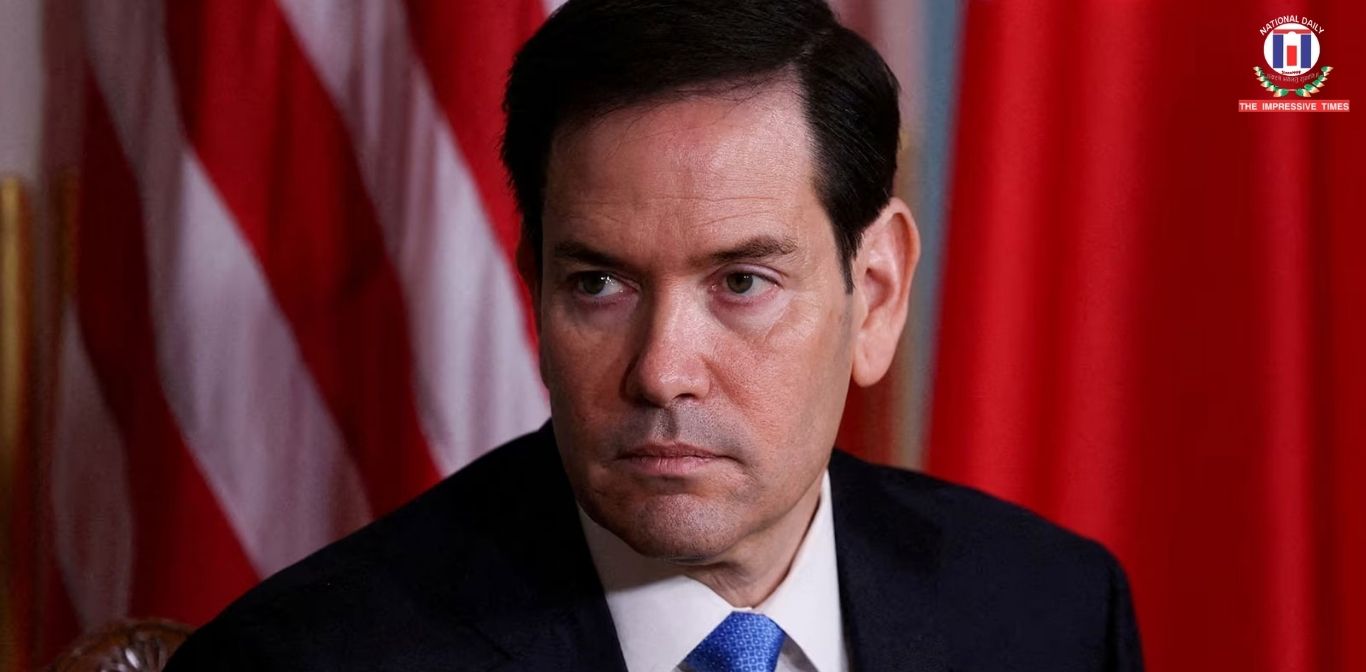
US Secretary of State Marco Rubio said Washington viewed ICAP’s activities as part of a broader effort by Havana to influence and recruit supporters in the United States. The measures were announced shortly after Americans who had travelled to Havana for events linked to the 100th birth anniversary of former Cuban leader Fidel Castro reportedly faced questioning after returning to the US.
The new sanctions cover senior ICAP officials, including its president Fernando Gonzalez Llort, first vice president Noemi Ramona Rabaza Fernandez and North America director Leima Martinez Freire.
Gonzalez Llort was among the five Cuban intelligence agents arrested in the United States in 1998. He was later released and returned to Cuba in 2014.
The economic restrictions extend to several organisations connected with Cuba’s industrial sector, including the country’s Ministry of Construction, a nickel producer, a mineral development company, import agencies dealing with heavy industrial equipment and other entities supplying vehicles, spare parts and construction-related materials.
Cuban Foreign Minister Bruno Rodriguez strongly criticised the move, accusing Washington of deliberately pursuing policies that would further damage the Cuban economy and make it harder for authorities to provide essential services to citizens.
Rodriguez also defended ICAP, saying the organisation had spent decades promoting international friendship and solidarity and rejecting the allegations made by the US administration.
The latest measures represent another step in Washington’s increasingly hardline Cuba policy. The US administration has maintained pressure on Havana through financial restrictions and trade-related measures while portraying the Cuban government as a security concern.
Cuba, meanwhile, is experiencing severe economic difficulties, including electricity shortages, disruptions to public transport, shortages of medicines and other essential goods, reduced economic activity and a decline in tourism.
The worsening energy situation has added to the pressure on an economy already struggling with shortages and limited access to foreign currency, deepening concerns over the impact of the latest US measures on ordinary Cubans.


































No Comments: