10 Memory Techniques to Help Competitive Exam Aspirants Improve Recall and Retention
From mnemonic devices and chunking to spaced repetition and memory palaces, structured learning methods can help aspirants retain facts, strengthen recall and prepare more effectively for competitive examinations.
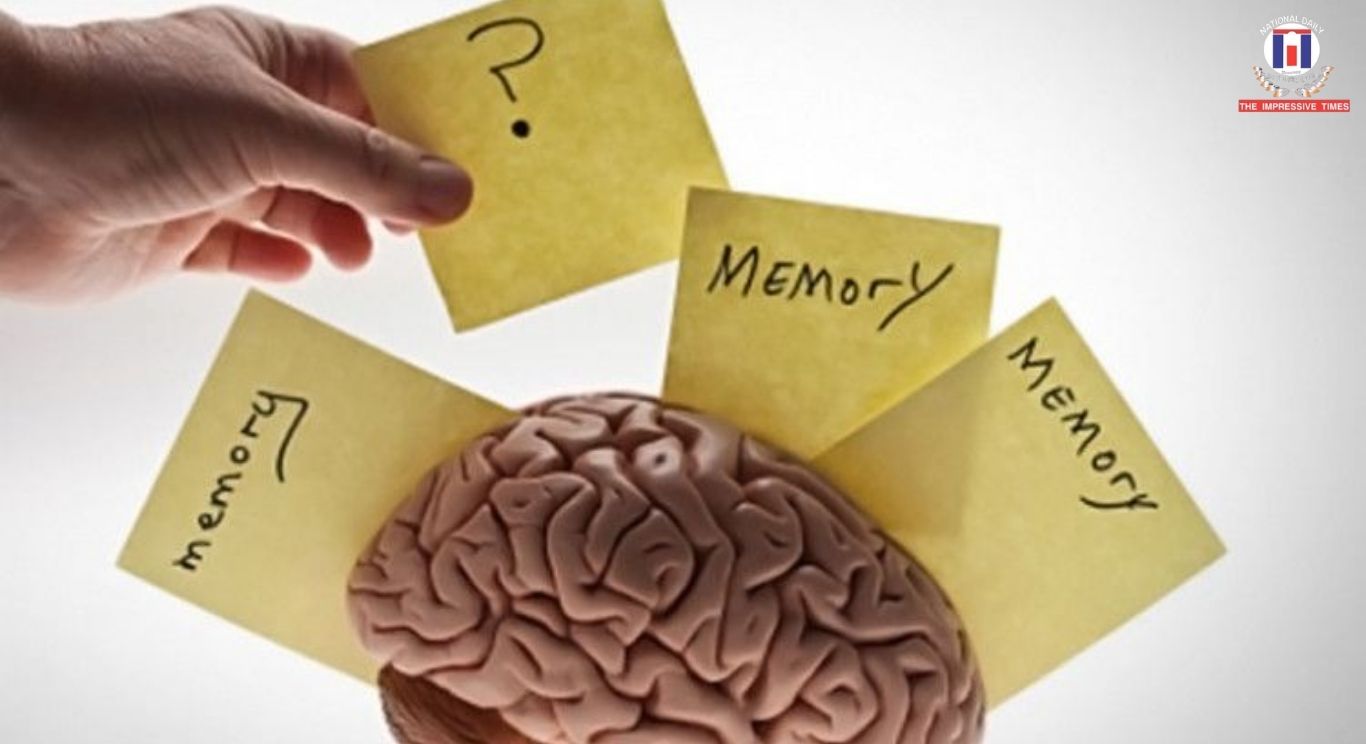
New Delhi: Competitive examinations require aspirants to retain a large volume of facts, concepts, dates and interconnected information. While repeated reading can help, using structured memory techniques can make learning more effective and improve recall during examinations.
From mnemonic devices and chunking to spaced repetition and memory palaces, several techniques can help students organise information and retain it for longer periods.
Mnemonics Make Difficult Facts Easier to Recall
Mnemonic devices use acronyms, rhymes, associations or short stories to connect complex information with something easier to remember.
For instance, aspirants can create simple phrases to remember geographical features, historical personalities, rivers or groups of countries. Creating personal mnemonics can make the associations more meaningful and easier to retrieve during an examination.
Break Large Topics into Manageable Chunks
Chunking involves dividing a large subject into smaller, related groups rather than attempting to memorise everything at once.
For example, Modern Indian History can be organised into broad sections such as the decline of the Mughal Empire, British expansion, colonial policies, popular uprisings, socio-religious movements and the freedom struggle.
Organising information in this manner can reduce the mental load and make revision more systematic.
Turn Information into Mental Images
Imagery can help aspirants remember abstract facts by converting them into visual associations. Making an unusual, humorous or highly detailed mental picture can make information more distinctive.
Students can also create imaginary scenes involving historical figures, scientific concepts or geographical locations instead of trying to memorise isolated names and facts.
Use Visualization for Complex Topics
Visualization takes imagery a step further by creating an entire mental scene around the information.
For subjects such as history, geography and science, aspirants can mentally picture locations, events, processes and sequences. Adding details such as movement, sounds or emotions can make the mental representation more vivid and easier to recall.
Spaced Repetition Strengthens Long-Term Memory
Spaced repetition involves revisiting information at gradually increasing intervals instead of completing all revision in a single session.
Aspirants can review newly studied material within a day, then revisit it after several days, a week and later at longer intervals. Flashcards can be particularly useful for this approach.
One practical method is the box system, in which correctly recalled cards move to a later revision stage, while difficult cards return to the first stage for more frequent review.
Ask Questions While Studying
Elaborative rehearsal encourages students to actively interact with the material instead of simply reading it repeatedly.
Aspirants can ask questions such as why an event occurred, how two concepts differ, what their consequences were and how one topic connects with another. Making these connections encourages deeper understanding and can also strengthen analytical thinking.
Acronyms Can Simplify Lists and Abbreviations
Acronyms are useful when several names, terms or concepts have to be remembered in a particular sequence.
Students can create short combinations of letters from the information they need to retain. Writing the acronym repeatedly and testing oneself later can reinforce the association.
Build a Mental Memory Palace
The memory palace technique involves associating information with familiar locations, such as different rooms of a house, a school or another well-known place.
Aspirants can mentally assign different subjects or concepts to specific locations and retrieve them by mentally moving through the familiar space.
The technique can be particularly useful when information has to be recalled in a particular order.
Use Rhymes, Songs and Parodies
Turning difficult facts into a familiar tune, rhyme or short song can make revision more engaging, particularly when students are tired or struggling with lengthy lists.
The technique can be adapted to remember names, committees, organisations, formulas or other factual information. Adding simple physical movements can create additional associations.
Engage Multiple Senses During Learning
Combining different forms of learning can create stronger associations with the material. Reading information, writing notes, speaking concepts aloud and drawing diagrams can involve several sensory pathways during a study session.
The source also suggests experimenting with distinctive sounds, textures or scents as memory cues. However, students should focus on techniques that genuinely improve their own concentration and recall rather than adding unnecessary distractions.
Personalise the Technique That Works Best
There is no single memory strategy that works equally well for every aspirant. Students can experiment with different approaches and combine them according to the subject.
For competitive examinations, a practical combination could include chunking for organising the syllabus, mnemonics for factual lists, visualization for conceptual topics, active questioning for deeper understanding and spaced repetition for revision.
The key is regular practice. Creating personalised associations and repeatedly retrieving information can make study sessions more structured and potentially improve recall when it matters most — during the examination.










































No Comments: