Amit Shah Inaugurates Shaheed Veer Gundadhur Seva Kendra in Bastar, Marks Major Step Towards Tribal Welfare After Naxal Eradication
Historic Transformation in Bastar as Former Security Camp Becomes Public Service Hub for Tribal Development in Chhattisgarh
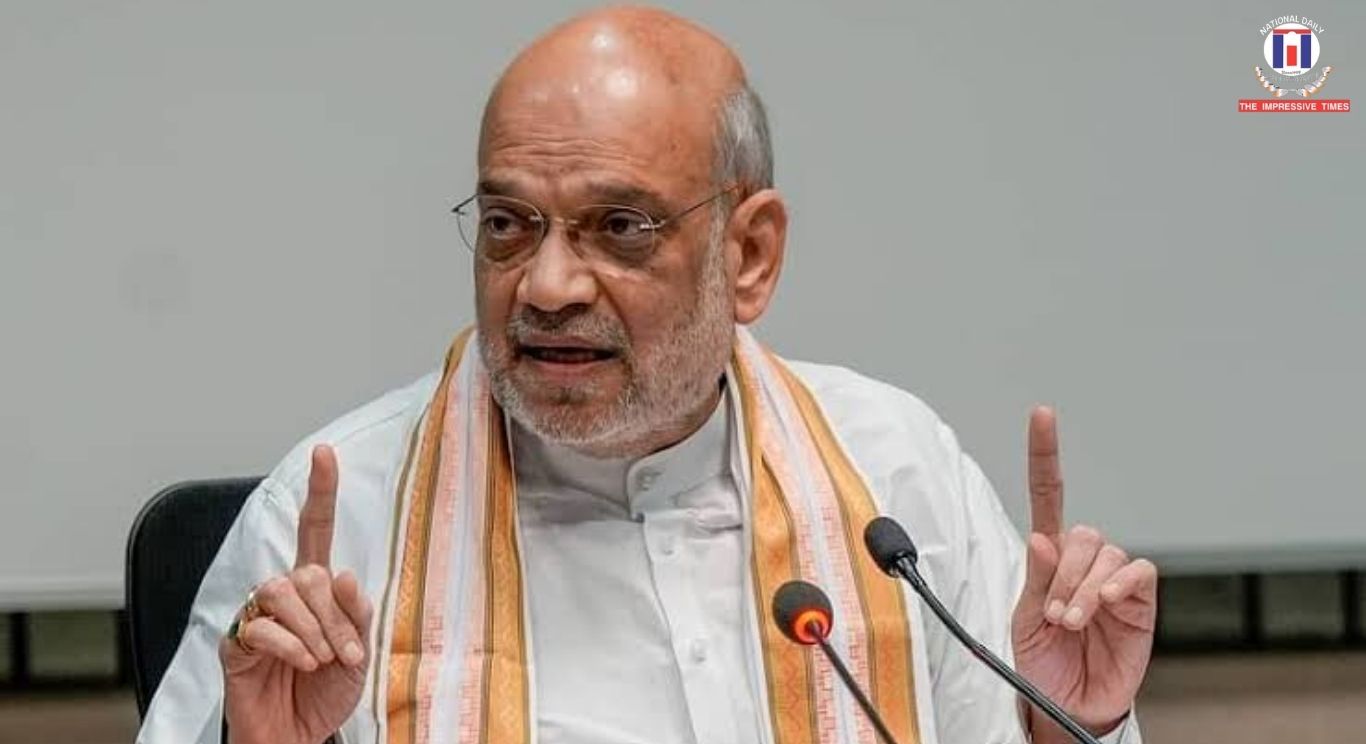
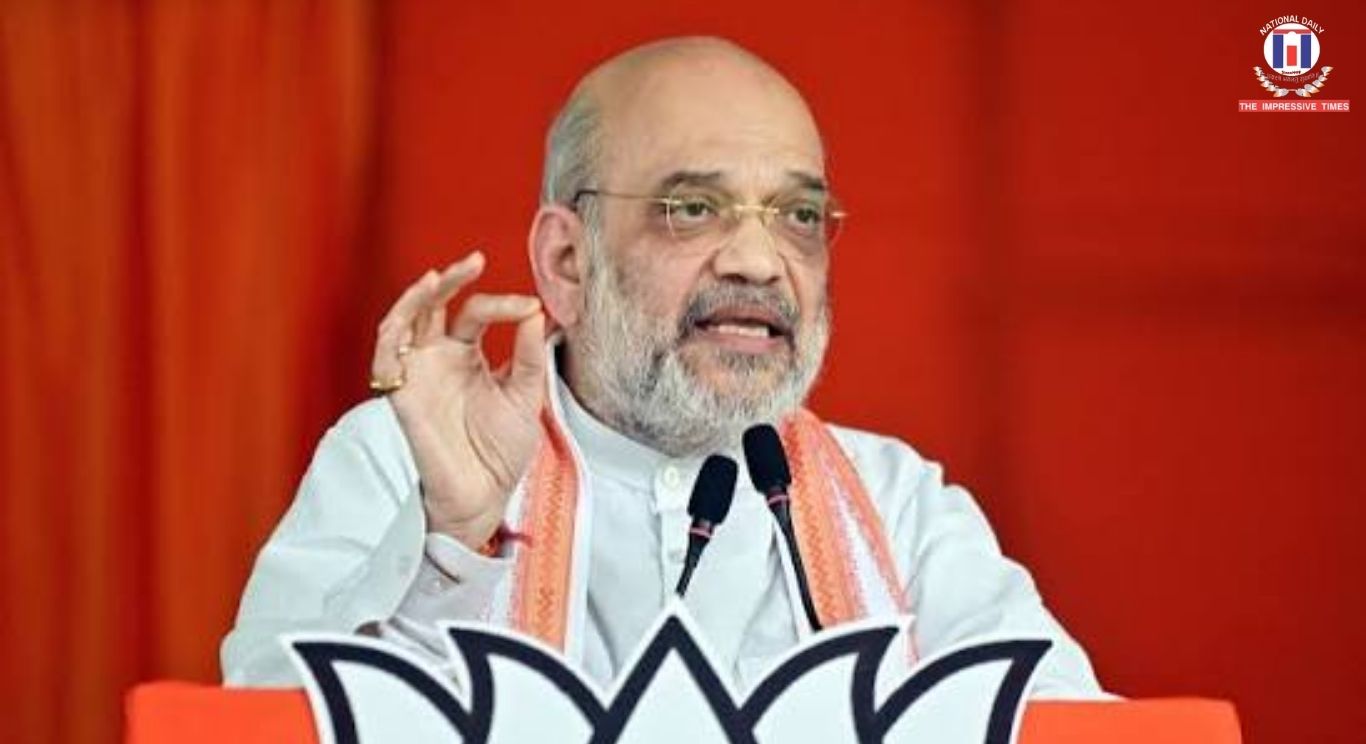
Bastar, Chhattisgarh, May 18, 2026: Union Home Minister and Minister of Cooperation Amit Shah inaugurated the Shaheed Veer Gundadhur Seva Dera Jan Suvidha Kendra in Bastar’s Netanar village, describing the occasion as a historic milestone in the region’s journey from Naxal violence to peace, development, and tribal empowerment.
Speaking at the birthplace of tribal freedom fighter Shaheed Veer Gundadhur, Amit Shah said the establishment of the service centre symbolizes a powerful transformation in Bastar, where a location once scarred by Naxal violence is now being developed into a centre for public welfare. He noted that the site, where six security personnel were once brutally killed, will now serve as a key facility delivering essential government services to tribal communities.
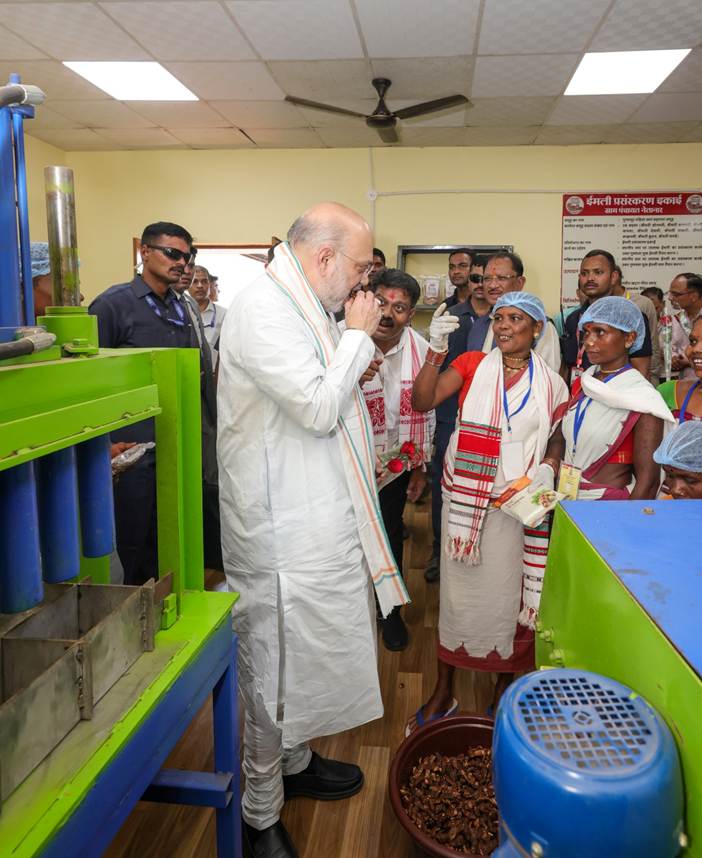
Highlighting the significance of the initiative, Shah stated that the government’s mission to eliminate Naxalism was never limited to security operations alone, but was equally focused on ensuring that underprivileged tribal populations receive the same developmental opportunities and public amenities available in urban India.
He said through welfare initiatives such as the Niyad Nellanar scheme, the government is rapidly expanding access to ration distribution, schools, healthcare, Aadhaar registration, banking, drinking water, and social welfare benefits in remote tribal villages. According to Shah, over 371 central and state government schemes will eventually be made accessible through these Common Service Centres.
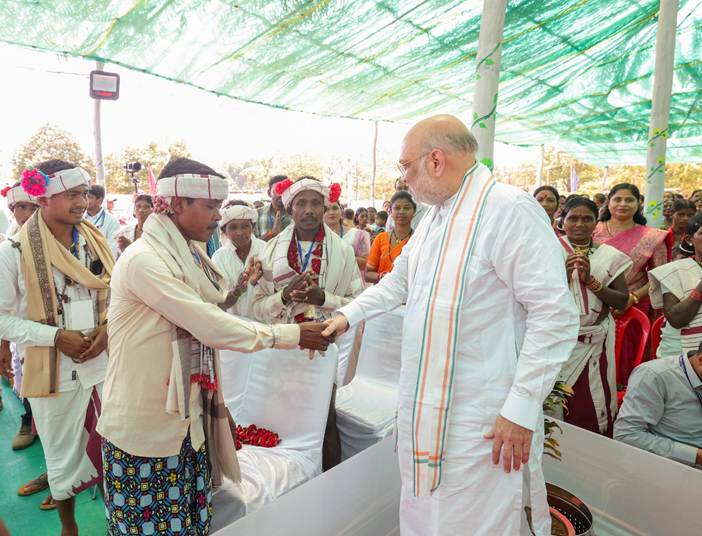
The Home Minister announced that nearly 70 of the existing security camps in Bastar will be converted into similar Seva Kendras over the next 18 months, creating an extensive network of service centres dedicated to tribal welfare and regional development.
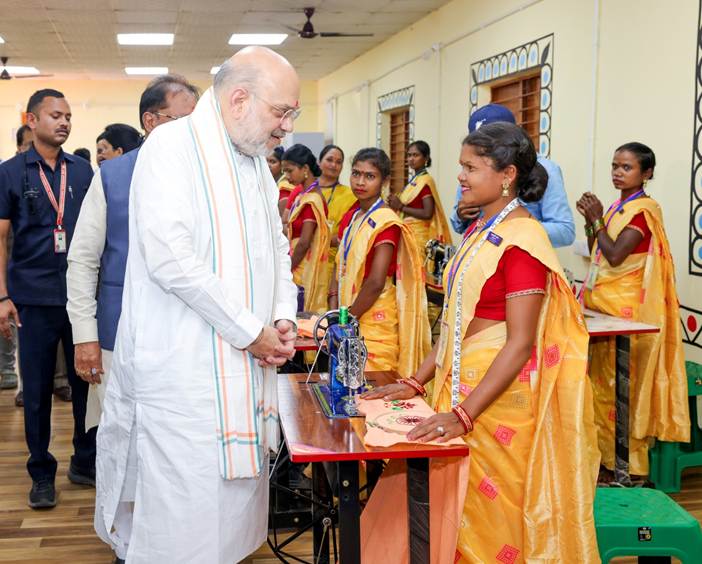
Amit Shah emphasized that with the decline of Naxalism in Chhattisgarh, tribal women and local communities are expected to play a leading role in driving Bastar’s future growth. He also reaffirmed the Centre’s commitment to reversing decades of damage caused by insurgency within the next five years through infrastructure, education, cultural promotion, and sports initiatives like Bastar Olympics and Bastar Pandum.
Describing March 31, 2026, as the true dawn of freedom for Bastar, Shah remarked that while India gained independence in 1947, Bastar is only now fully experiencing the benefits of peace, governance, and development after decades of Naxal disruption.



























No Comments: