India Eyes E85 Fuel Shift: Will Cars Soon Run on Alcohol-Based Petrol?
Government Prepares Next Step After E20 to Cut Oil Dependence

 The Impressive Times
As concerns over global crude supply intensify, the Indian government is exploring a major transition in the transport fuel sector. After introducing blended fuels like E20, officials are now working on a roadmap to roll out E85 — a high-ethanol fuel that could significantly reduce reliance on imported oil.
According to sources, a draft framework to allow higher ethanol blending is expected soon. The move is being seen as both an energy security measure and a push toward cleaner alternatives.
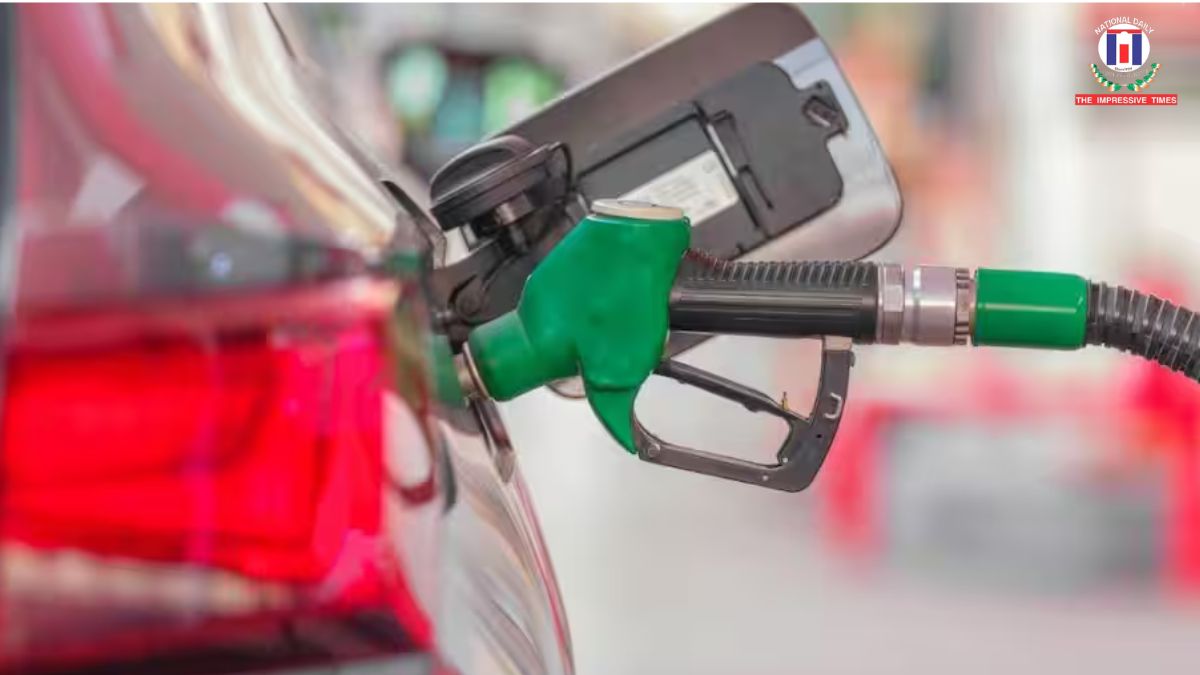
E85 is a type of fuel composed of 85% ethanol (alcohol-based fuel) and 15% petrol. Unlike current blends available in India, this fuel represents a much higher ethanol concentration, making it a key step toward alternative energy in the automobile sector.
Ethanol used in such fuels is produced domestically from crops like sugarcane, maize, and other grains, which could also support the agricultural economy while reducing fuel imports.
The transition to E85 is not as simple as filling it into existing cars. Vehicles will need to be specifically designed or modified to handle high ethanol content.
Flex-fuel vehicles are engineered to run on varying blends of petrol and ethanol, including E85. These vehicles come with components that can withstand ethanol’s chemical properties.
Using E85 in regular petrol cars can lead to:
Because of these risks, experts stress that only compatible vehicles should use such fuel.
While discussions and initial testing have begun, the rollout is not immediate. Officials suggest that it may take a few years before E85 becomes commercially available across the country.
The government is expected to first release draft regulations, followed by industry consultations and phased implementation.
The push for ethanol blending comes at a time when global energy markets are facing disruptions. Supply challenges and geopolitical tensions have highlighted the risks of heavy dependence on imported crude oil.
By increasing ethanol usage, India aims to:
India has already mandated the sale of E20 fuel, which contains a lower percentage of ethanol. E85, however, represents a more aggressive shift toward alternative fuel use.
The introduction of E85 as a separate fuel category will mark a significant change in how vehicles are powered in the coming years.












































No Comments: