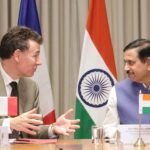
New Delhi, 26 March 2026 : A high-level parliamentary delegation from Sri Lanka visited the Department of Drinking Water and Sanitation under the Ministry of Jal Shakti as part of a week-long study tour to understand India’s flagship rural development initiatives. The delegation, led by Sri Lankan Member of Parliament S.M. Marikkar, engaged in detailed discussions on the implementation and impact of the Jal Jeevan Mission (JJM) and Swachh Bharat Mission–Grameen (SBM-G).
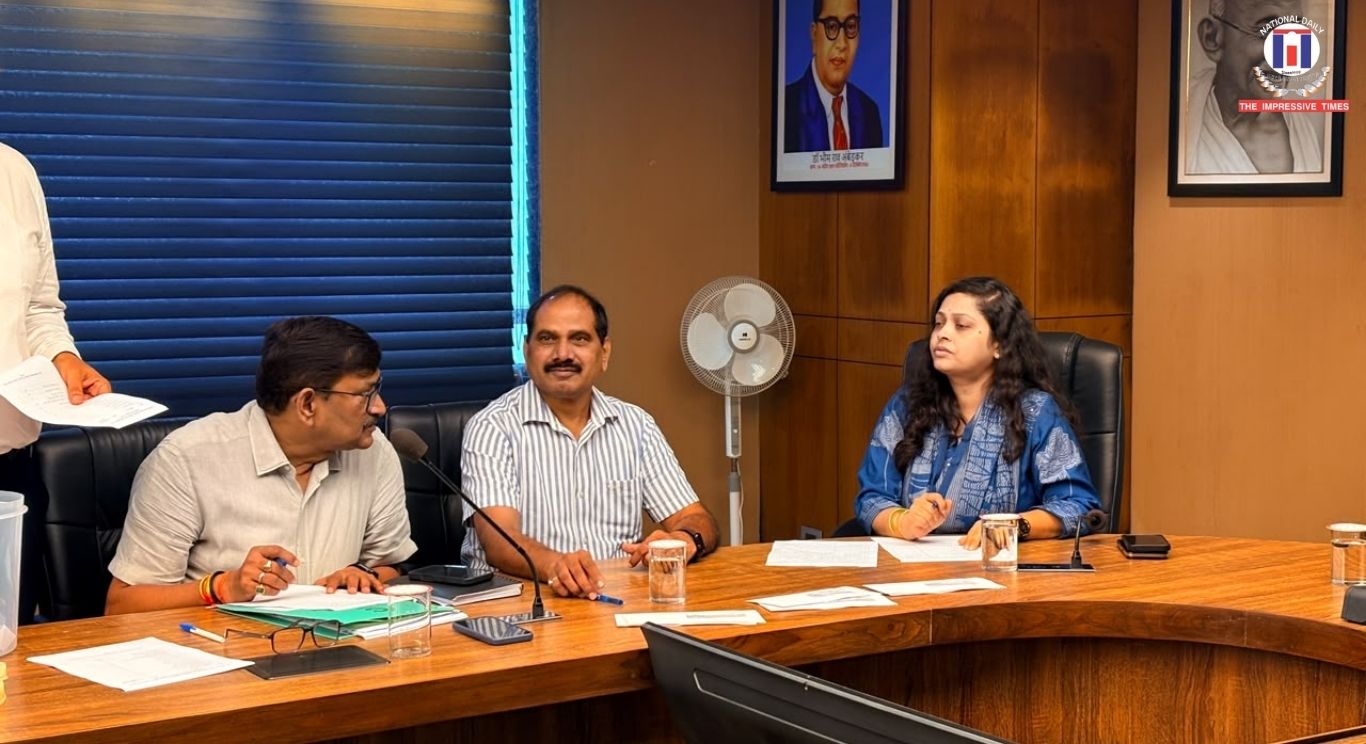
Senior officials, including Secretary Ashok K. K. Meena and Additional Secretary Kamal Kishore Soan, briefed the visiting team on India’s governance approach, highlighting how large-scale national programmes are implemented through local bodies such as Gram Panchayats to ensure last-mile delivery of essential services. They emphasized decentralisation, community participation, and convergence across departments as key pillars of success.
Officials explained that the Jal Jeevan Mission, launched in 2019, aims to provide functional household tap connections to every rural home. Since its inception, rural tap water coverage has risen significantly, expanding from around 17 percent to over 80 percent, benefiting more than 15 crore households. The mission’s next phase, extended till 2028, focuses on sustainability, long-term operations and maintenance, and strengthening local governance systems.
The presentation also highlighted the integration of technology for real-time monitoring, transparency, and grievance redressal, alongside initiatives such as rainwater harvesting, greywater management, and circular economy practices to ensure environmental sustainability.
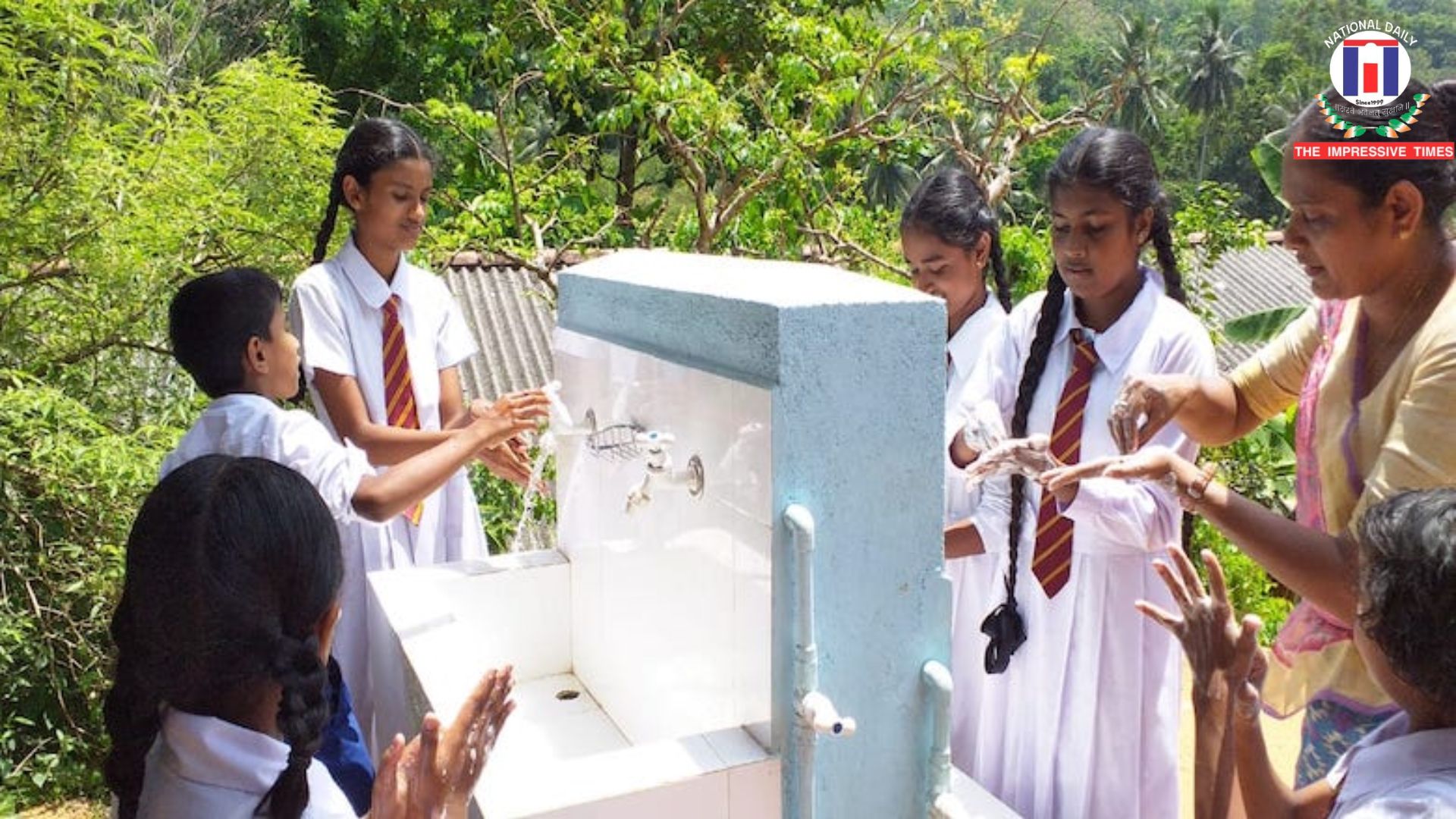
On the sanitation front, officials outlined the transformation achieved under Swachh Bharat Mission–Grameen, which was launched in 2014 with the goal of eliminating open defecation. By 2019, all villages across the country were declared open defecation free, marking a major milestone in public health and hygiene.
The mission has since transitioned into its second phase, focusing on sustaining sanitation gains and developing waste management infrastructure. This includes solid and liquid waste management systems, construction of community sanitary complexes, and continued behavioural change campaigns through intensive awareness programmes.
Authorities noted that over 12 crore individual household toilets and more than 2.7 lakh community sanitary complexes have been built, supported by financial incentives targeted at vulnerable sections, including low-income families and women-headed households.
During the interactive session, the Sri Lankan delegation shared challenges faced in their country, particularly concerning water contamination due to heavy metals and the high cost of water purification systems. They highlighted the need for affordable and efficient treatment technologies and expressed interest in learning from India’s scalable and community-driven models.
The visiting members also pointed out that the use of treated water for multiple household purposes increases economic burden, underscoring the importance of sustainable and cost-effective solutions tailored to local needs.
Concluding the session, Joint Secretary Swati Meena Naik emphasized the value of knowledge exchange and bilateral cooperation, stating that continued collaboration between India and Sri Lanka could help both nations strengthen water management systems and sanitation outcomes.















No Comments: