Raipur Municipal Corporation Sets Benchmark in Solar E-Waste Recycling Economy
-Rs.2.5 crore earned from 310 tonnes of e-waste highlights how solar expansion can drive circular economy, jobs and environmental protection

 The Impressive Times
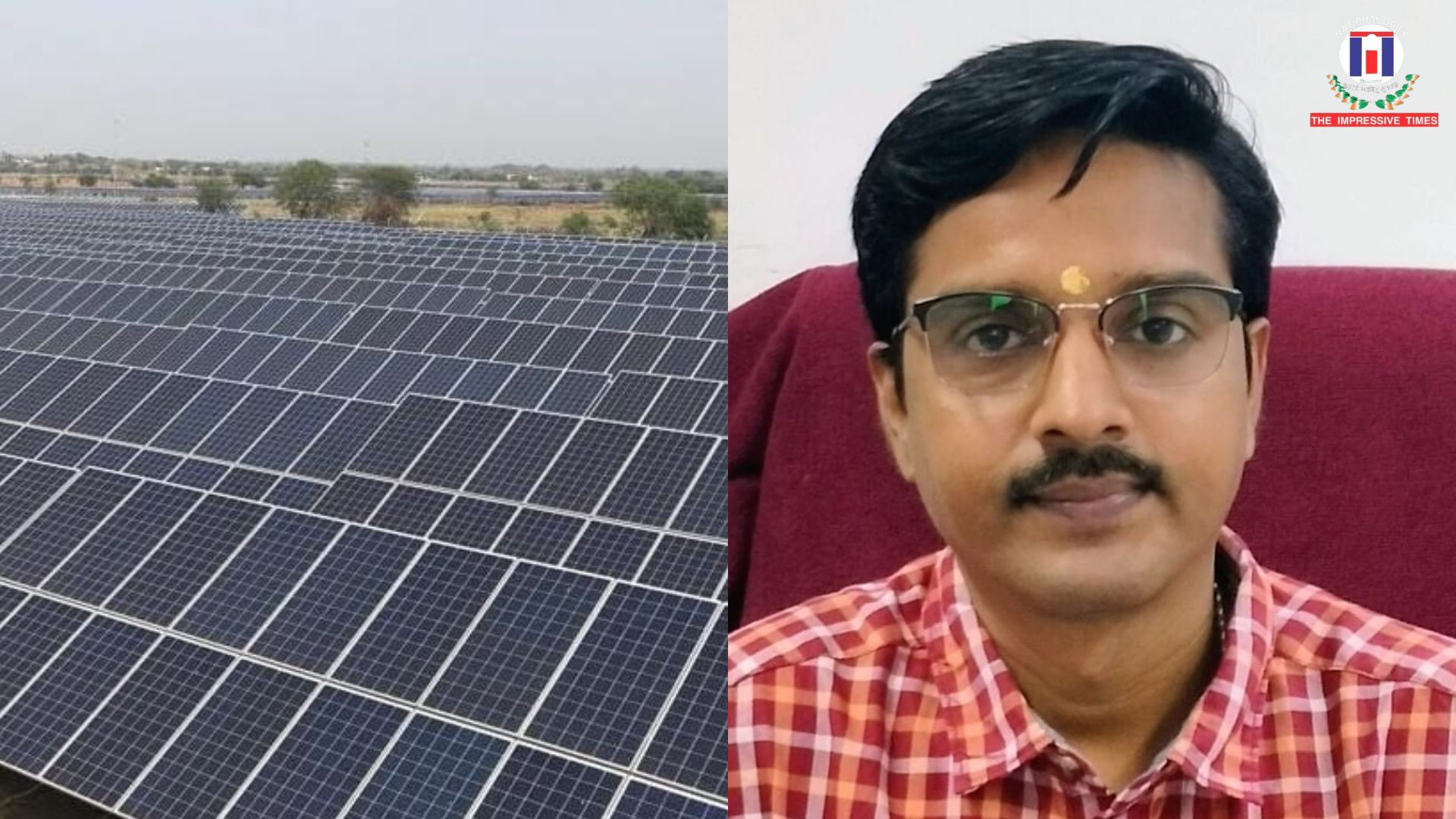
Raipur : Two recent developments highlight a new economic opportunity taking shape in India. The country’s installed solar power capacity has crossed 132 GW, while Raipur Municipal Corporation earned over Rs.2.5 crore by selling 310 tonnes of e-waste containing gold, silver, copper and aluminium. Together, they underline how renewable energy expansion is also generating a valuable e-waste economy. India’s energy demand is rising steadily and is projected to touch a peak of 388 GW by 2032. Over the next 30 years, energy consumption is expected to grow 1.5 times faster than the global average. With a net-zero carbon target, renewable energy especially solar remains the focus. As per the Central Electricity Authority, solar power capacity is projected to reach 366 GW by 2032 and around 1,700 GW by 2050. However, this rapid growth brings the challenge of solar e-waste. India is the world’s third-largest solar power producer and also the third-largest generator of e-waste. Globally, e-waste stood at 62 million metric tonnes in 2022 and is expected to rise to 82 million tonnes by 2030. In India alone, 17.51 lakh metric tonnes of e-waste were generated in 2023–24. According to estimates by a committee of the Ministry of New and Renewable Energy, solar e-waste will rise from about 10,000 metric tonnes in 2023 to 34,000 tonnes by 2030 and nearly 1.9 lakh tonnes by 2050. Rajasthan, Gujarat, Karnataka, Tamil Nadu and Andhra Pradesh lead in solar e-waste generation. Most solar panels used in India are silicon-based and contain glass along with critical and hazardous metals such as lithium, lead, mercury, cadmium, copper, tellurium, aluminium and silicon, as noted by the International Renewable Energy Agency (IRENA).
A single megawatt of solar modules weighs around 65 tonnes, indicating the scale of future waste. Improper disposal risks soil, water and air pollution, greenhouse gas emissions, and serious health hazards including cancer, neurological and respiratory disorders. Globally and in India, solar panels have an average life of 25–30 years, after which they enter the waste stream. While companies such as NTPC, Adani Power, Tata Power and Reliance Energy have initiated solar e-waste management, wider public participation is needed. IRENA estimates that up to 90% of solar panels can be recycled. India has addressed this through the E-Waste Management Rules, 2022, under the Environment Protection Act, with specific provisions for solar e-waste. The policy promotes a circular economy focused on repair, reuse and recycling. Solar e-waste recycling is expected to create a Rs.3,700-crore economy over the next two decades. Reports indicate that recycled metals can be reused as raw material in manufacturing, generating large-scale employment in collection, transport and recycling. The Skill Council for Green Jobs is training 10 lakh people, with 30–35 lakh additional jobs expected in the next decade. As solar installations expand from large ground-mounted projects to rooftop systems in homes, awareness about responsible e-waste disposal is also growing. The Raipur model shows that with proper recycling, solar e-waste can support clean energy goals, protect the environment, and create green jobs for future generations.




































No Comments: