WHO Declares Ebola Outbreak a Global Health Emergency; India Issues Travel Advisory
Following WHO's declaration of the Ebola Outbreak as a Public Health Emergency of International Concern, India has urged citizens to avoid non-essential travel to affected African nations.
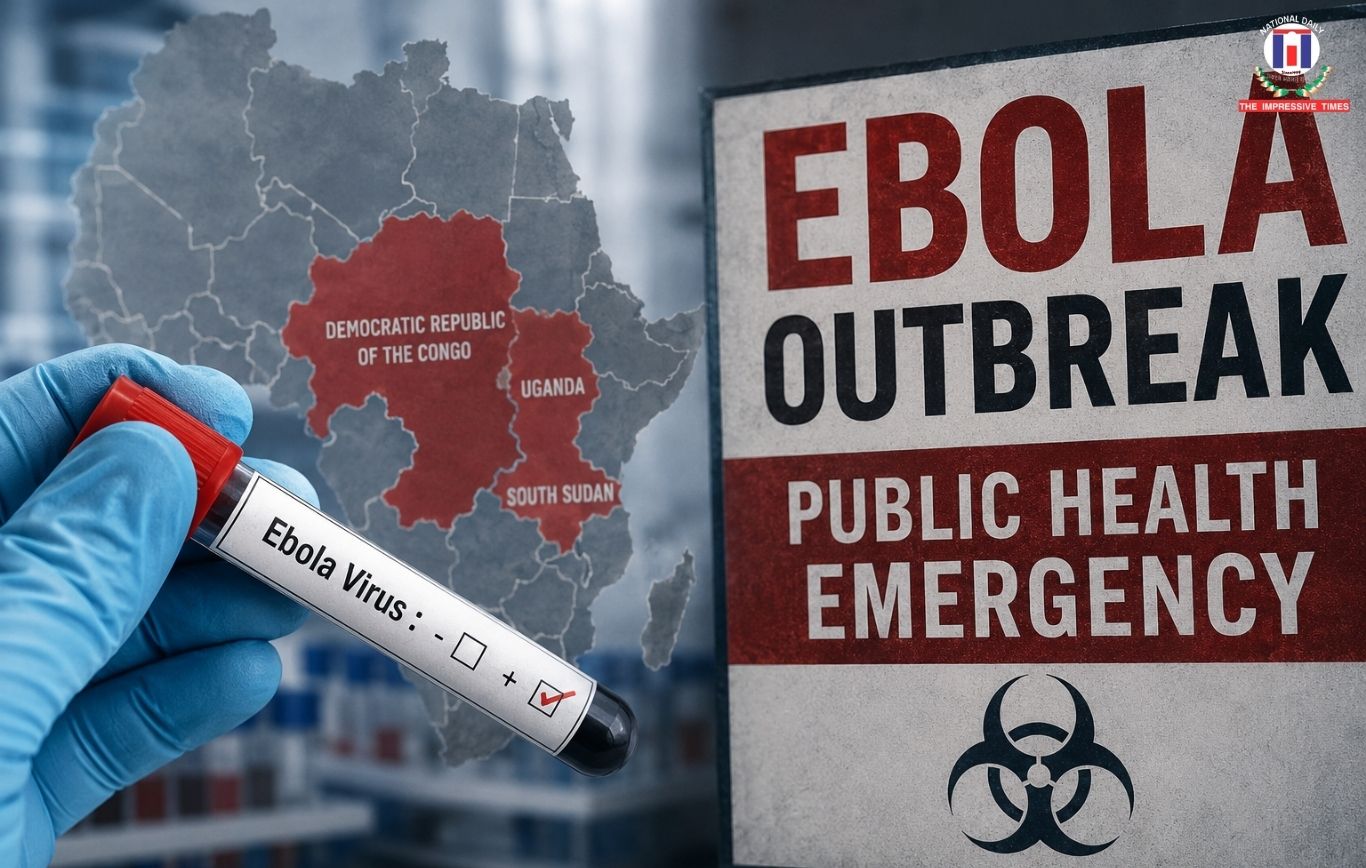
New Delhi, May 24, 2026: The World Health Organization (WHO) has declared the ongoing Ebola outbreak in the Democratic Republic of the Congo (DRC) and Uganda a Public Health Emergency of International Concern (PHEIC). The declaration was made on May 17, 2026, under the International Health Regulations (IHR) 2005.
The Africa Centres for Disease Control and Prevention (Africa CDC) has also classified the outbreak as a Public Health Emergency of Continental Security (PHECS).
WHO Issues Temporary Travel Recommendations
On May 22, 2026, the WHO IHR Emergency Committee released temporary recommendations to strengthen disease surveillance at international entry points. Countries have been advised to identify and monitor travellers arriving from areas where the Bundibugyo strain of the Ebola virus has been detected.
The WHO has also recommended avoiding travel to regions currently affected by the outbreak.
Neighbouring Countries Face High Risk
Health authorities have assessed countries bordering the DRC and Uganda, including South Sudan, as being at high risk of Ebola transmission due to their close proximity to affected areas.
Understanding the Ebola Outbreak
Ebola is a severe viral haemorrhagic fever caused by infection with the Ebola virus. The current outbreak involves the Bundibugyo strain, which is associated with a high fatality rate.
At present, there are no approved vaccines or specific treatments available for Ebola disease caused by the Bundibugyo strain.
No Ebola Cases Reported in India
The Government of India has confirmed that no cases of Bundibugyo strain Ebola have been reported in the country so far.
India Advises Against Non-Essential Travel
Considering the evolving health situation and WHO recommendations, the Government of India has advised citizens to avoid non-essential travel to the Democratic Republic of the Congo, Uganda, and South Sudan until further notice.
Indian nationals currently living in or travelling to these countries have been urged to follow local health guidelines and take all necessary precautions to reduce the risk of infection.






































No Comments: