New Delhi, July 3, 2026: Prime Minister Narendra Modi will undertake a day-long visit to Rajasthan and Gujarat on July 4, during which he will inaugurate, dedicate and lay the foundation stone for development projects worth nearly ₹1.06 lakh crore across sectors such as petrochemicals, urban transport, aviation, railways, roads, renewable energy, power transmission and semiconductors.
The Prime Minister’s itinerary includes programmes in Jodhpur, Balotra and Sanand (Ahmedabad), where he will also address public gatherings.
The visit will begin in Jodhpur at around 10:45 a.m., where the Prime Minister will inaugurate the newly constructed terminal building at Jodhpur Airport and formally launch the Modified UDAN Scheme, aimed at expanding regional air connectivity. He will later travel to Balotra, where he is scheduled to unveil a series of infrastructure and industrial projects before proceeding to Gujarat in the evening to inaugurate the CG Semi Outsourced Semiconductor Assembly and Test (OSAT) Facility in Sanand.
The revamped UDAN (Ude Desh ka Aam Nagrik) scheme has been allocated ₹28,840 crore for the next decade to strengthen India’s regional aviation network. The programme includes plans to develop 100 aerodromes from existing unserved airstrips, establish 200 modern helipads in remote regions, provide operational support for regional airports, and continue viability gap funding for airlines. The scheme also encourages the use of indigenous aircraft and helicopters, including HAL Dhruv and Dornier platforms, in line with the government’s self-reliance initiative.
The Prime Minister will also inaugurate the ₹480-crore Jodhpur Airport terminal, spread across more than 23,000 square metres with the capacity to handle 20 lakh passengers annually. Designed with architectural elements inspired by Rajasthan’s royal heritage, the terminal incorporates sustainable features and aims to achieve a 5-Star GRIHA green building rating. The project is expected to boost tourism, trade and employment in the region.
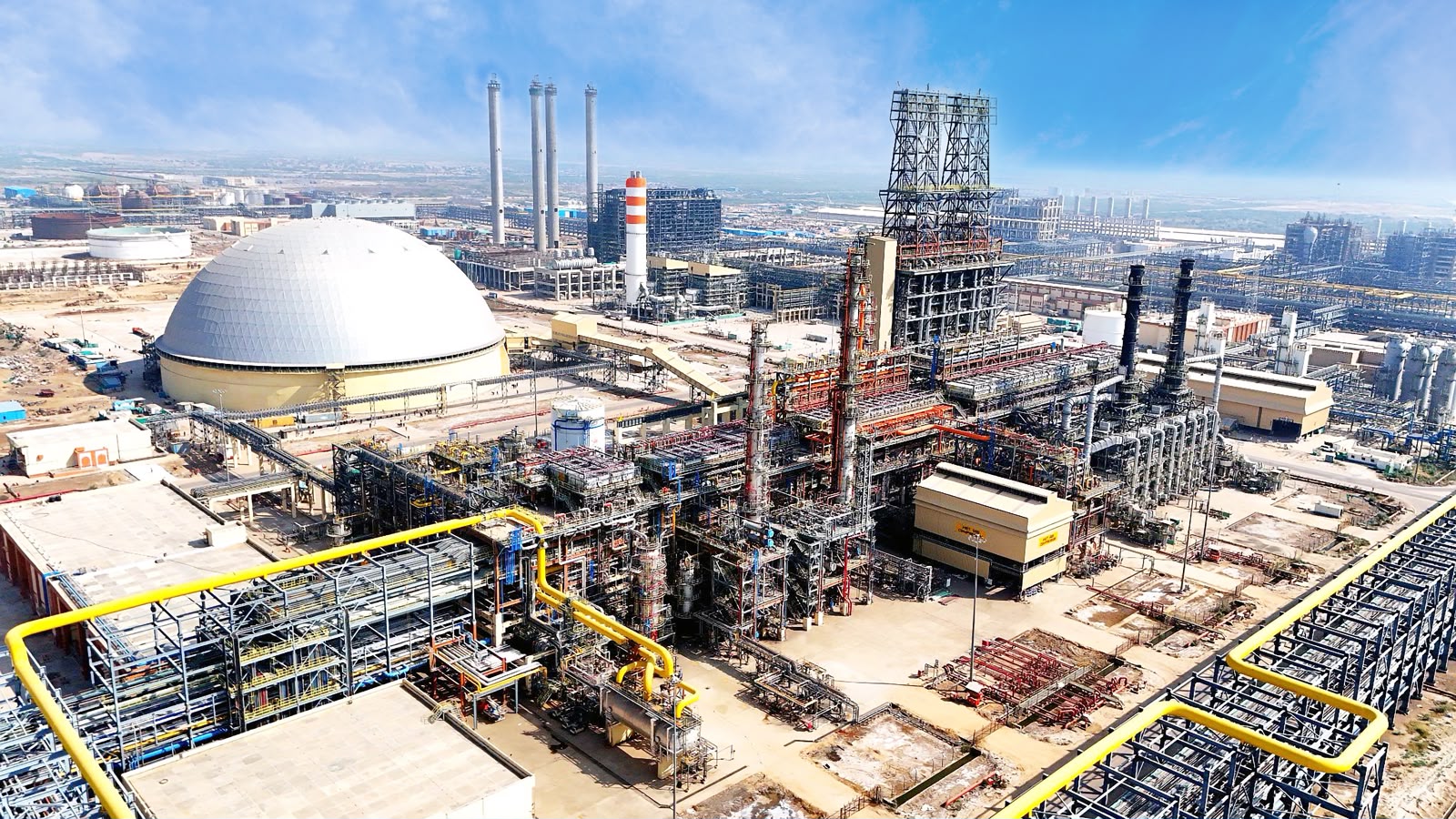
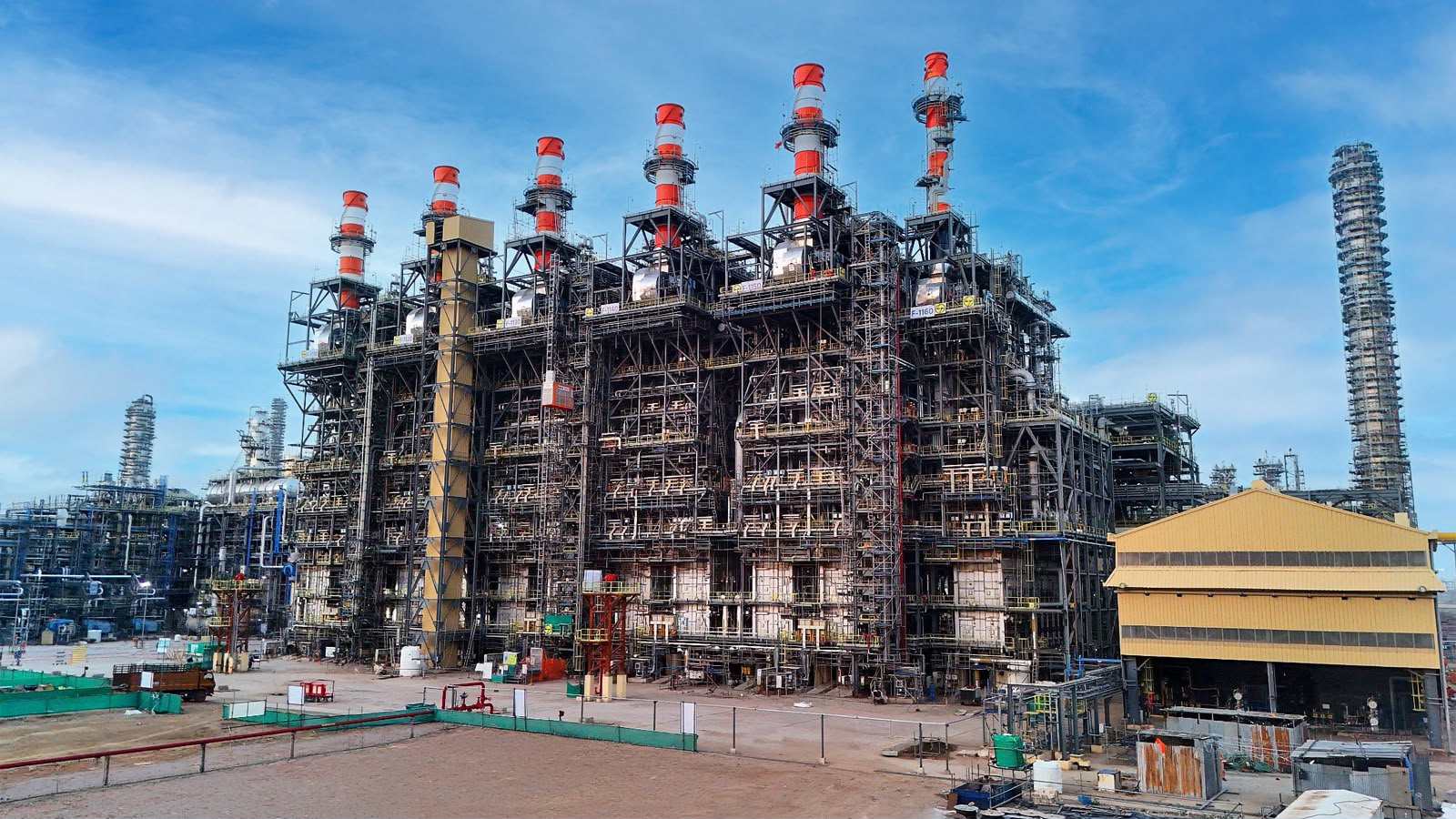
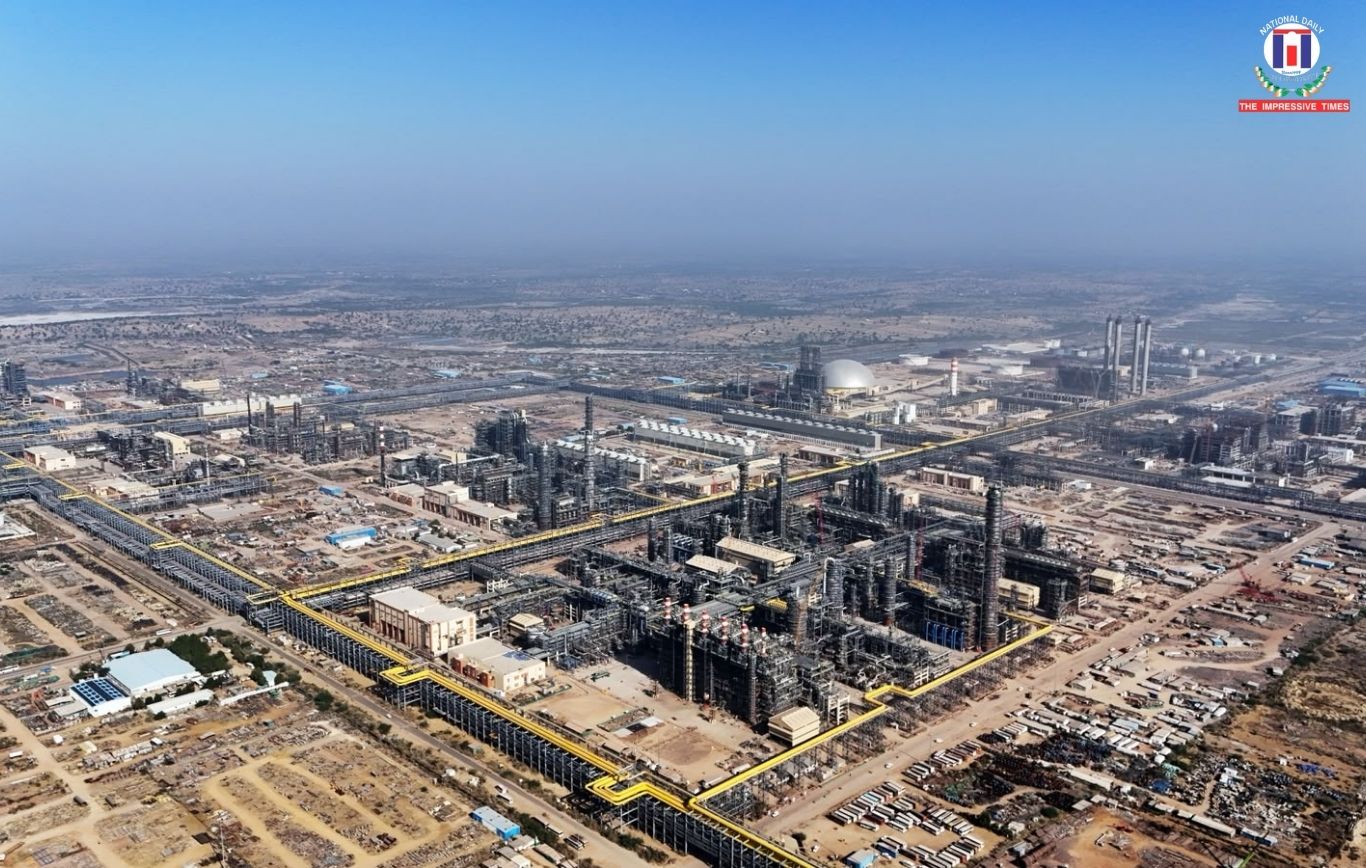
In Balotra, the centrepiece of the visit will be the dedication of India’s first greenfield integrated refinery-cum-petrochemical complex at Pachpadra. Developed jointly by Hindustan Petroleum Corporation Limited (HPCL) and the Government of Rajasthan, the 9 MMTPA refinery has been established with an investment exceeding ₹79,450 crore.
The facility integrates petroleum refining with petrochemical production and has a petrochemical capacity of 2.4 MMTPA. Equipped with a Nelson Complexity Index of 17.0 and petrochemical yields of over 26 per cent, the complex is expected to enhance India’s energy security, reduce dependence on imports of petrochemical products and support downstream industries through the proposed Petrochemical and Plastic Park in the region. The project is also expected to generate substantial employment opportunities.
The Prime Minister will further lay the foundation stone for Phase 2 of the Jaipur Metro Rail Project, estimated to cost over ₹13,000 crore. The new 41-km north-south corridor from Prahladpura to Todi Mod will include 36 stations, linking industrial hubs, residential areas, Jaipur Airport, major healthcare institutions and commercial centres, thereby strengthening the city’s public transport network.
Among the railway projects, the Prime Minister will dedicate the Churu-Sadulpur and Churu-Ratangarh rail doubling projects, spanning a combined 104 km and built at a cost of around ₹900 crore. These projects are expected to improve passenger and freight movement while increasing rail network capacity in north-west Rajasthan.
Road connectivity will also receive a boost with the inauguration of the four-laning of NH-125A, including the Karwar-Dangiyawas section of the Jodhpur Ring Road, developed at a cost of approximately ₹740 crore.
Renewable energy projects will form another major component of the programme. The Prime Minister will dedicate SJVN Limited’s 1,000 MW Bikaner Solar Energy Project, built with an investment of around ₹5,500 crore, as well as NHPC’s 300 MW Karnisar Solar Plant. Both facilities utilise domestically manufactured solar modules and photovoltaic cells, reinforcing the government’s emphasis on indigenous manufacturing.
He will also inaugurate a power transmission line developed at a cost exceeding ₹1,900 crore for evacuating renewable energy from the Rajasthan Renewable Energy Zone (REZ) and lay the foundation stone for a 530-km transmission system that will facilitate the integration of renewable power into the national grid.
During the Balotra programme, the Prime Minister is also scheduled to distribute appointment letters to around 54,000 newly recruited youth selected for various departments of the Rajasthan government, including education, energy, home, agriculture, transport, higher education, information technology and administrative reforms.
In the final leg of the visit, the Prime Minister will inaugurate the CG Semi OSAT facility at Sanand in Gujarat. Developed with an investment of over ₹7,500 crore under the India Semiconductor Mission, the plant marks the commencement of commercial semiconductor production and represents one of India’s first end-to-end semiconductor assembly and testing facilities.
Once operating at full capacity, the plant is expected to manufacture up to five billion semiconductor chips annually. It will provide semiconductor assembly, testing, package design, wafer sorting, failure analysis, logistics support and product characterisation services, catering to industries including automotive, telecommunications, artificial intelligence, high-performance computing, industrial electronics and the Internet of Things.
The inauguration of the Sanand facility is expected to strengthen India’s semiconductor ecosystem and reinforce the country’s efforts to establish itself as a competitive and self-reliant global semiconductor manufacturing hub.




























No Comments: