Why Mini Breaks Are Replacing Long Vacations for Young Professionals
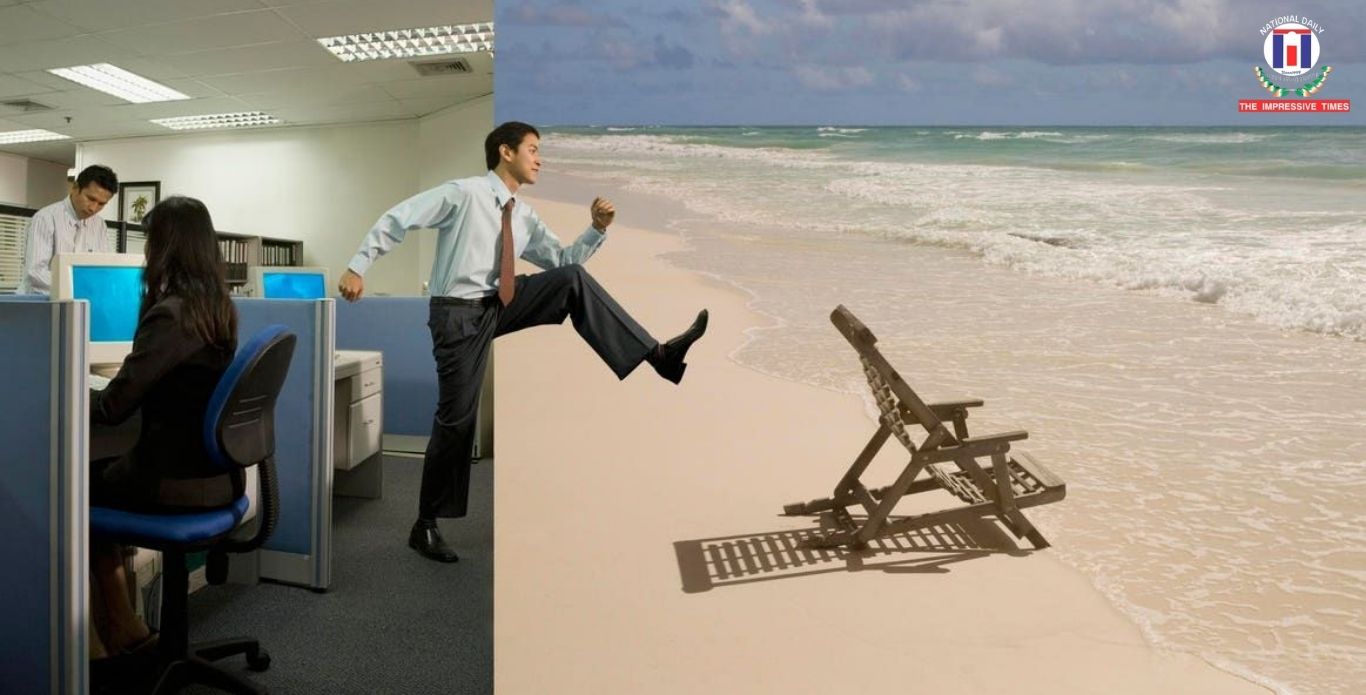
Mini breaks are gaining popularity among young professionals as shorter, frequent trips offer flexibility, relaxation and easier travel planning.

 The Impressive Times
TIT Correspondent
info@impressivetimes.com
The traditional long vacation may be losing its place in the travel calendars of young professionals. Instead of saving leave for one big annual holiday, a growing number of young Indian travellers are choosing shorter, more frequent getaways that fit around work, budgets and busy schedules.
The trend, often described as “micro-cations” or “mini breaks,” typically involves trips lasting anywhere from a weekend to a few days. Recent travel data suggests that this is becoming more than just a social-media trend.
A 2026 YouGov survey conducted for Airbnb among more than 2,000 Gen Z travellers across 11 Indian cities found that 70% would prefer three short trips over one long annual holiday.
A mini break is a short trip designed to provide a change of scenery without requiring a long leave from work.
It could mean leaving on Friday evening and returning Sunday night, adding one day of leave to a weekend, or taking a three-to-five-day domestic trip.
Unlike traditional holidays, the focus is often less on covering as many attractions as possible and more on getting away from routine.
For some travellers, that could mean spending a few days in the hills. For others, it could be a beach stay, a food-focused trip, a wellness retreat or simply a quiet stay somewhere outside the city.
For people with demanding jobs, taking one or two weeks away from work can be difficult.
Projects, deadlines, meetings and limited leave balances can make a long holiday complicated to organise.
A three-day or four-day break, on the other hand, requires much less planning and can often be fitted around a weekend.
The idea of waiting all year for one major vacation is changing.
Instead, young travellers are spreading their travel throughout the year.
The Airbnb/YouGov survey found that 70% of Gen Z respondents preferred three short trips over one long annual holiday.
That means travel becomes a regular part of the year rather than a single event.
Travel is increasingly being used as a way to take a break from routine.
According to the same survey, 43% of respondents identified escaping stress or burnout as a top reason for taking a trip.
This is changing what travellers expect from a holiday.
A trip doesn’t necessarily need to involve sightseeing from morning to night. Sometimes, the objective is simply to sleep well, spend time in nature or return to work feeling refreshed.
The micro-cation is essentially a shorter version of a traditional holiday.
Travel platforms and industry observers have increasingly highlighted trips lasting around 24 to 72 hours or a few days as a growing travel format.
The appeal is obvious: travellers can experience a change of environment without using a large portion of their annual leave.
It also makes spontaneous travel easier.
A free weekend, a friend’s birthday, a particularly stressful week at work or even the arrival of pleasant weather can become a reason to travel.
Interestingly, young travellers are also moving away from the idea that every holiday needs a strict sightseeing schedule.
The 2026 Airbnb/YouGov research found that 95% of Gen Z travellers wanted trips to feel personal and less rigidly planned, while 64% said they intentionally leave parts of their itinerary open for spontaneous experiences.
For many, the perfect mini break could therefore involve doing less rather than more.
A slow breakfast, a walk, a local meal and several hours without checking work messages may be enough.
The trend isn’t limited to international travel.
Recent Airbnb search data showed that domestic monsoon travel searches in India increased by almost 40% year-on-year, with growing interest in weekend breaks and trips lasting three to five days.
Destinations such as Coorg, Kochi, Udaipur, Varkala, Jaipur and Goa were among the destinations highlighted in the company’s monsoon search trends.
This indicates that shorter domestic travel can work particularly well for people who don’t want to spend significant time or money on long-distance journeys.
Not necessarily.
A shorter trip can reduce accommodation and food costs simply because the stay is shorter. However, frequent travel can also add up if people are constantly booking flights, hotels and activities.
The real advantage may be flexibility rather than guaranteed savings.
Travellers can choose nearby destinations, travel during off-peak periods and use weekends strategically instead of waiting for expensive peak-season holidays.
The rise of mini breaks reflects a broader change in how younger travellers view leisure.
A vacation is no longer necessarily a once-a-year event that requires months of planning.
Instead, travel is increasingly being treated as something that can be fitted into ordinary life.
For young professionals balancing demanding jobs, limited leave and the desire for new experiences, a 72-hour escape may sometimes feel more realistic than a two-week holiday.
And that could be the biggest reason mini breaks are catching on: people are no longer waiting for the perfect long vacation to take a break. They’re finding smaller opportunities to get away throughout the year.































No Comments: