Supreme Court Recognises Homemaker’s Domestic Care as Separate Compensation Category in Accident Claims
In a significant judgment, the Supreme Court said the loss of a homemaker's domestic care deserves separate compensation in accident claims.

 The Impressive Times
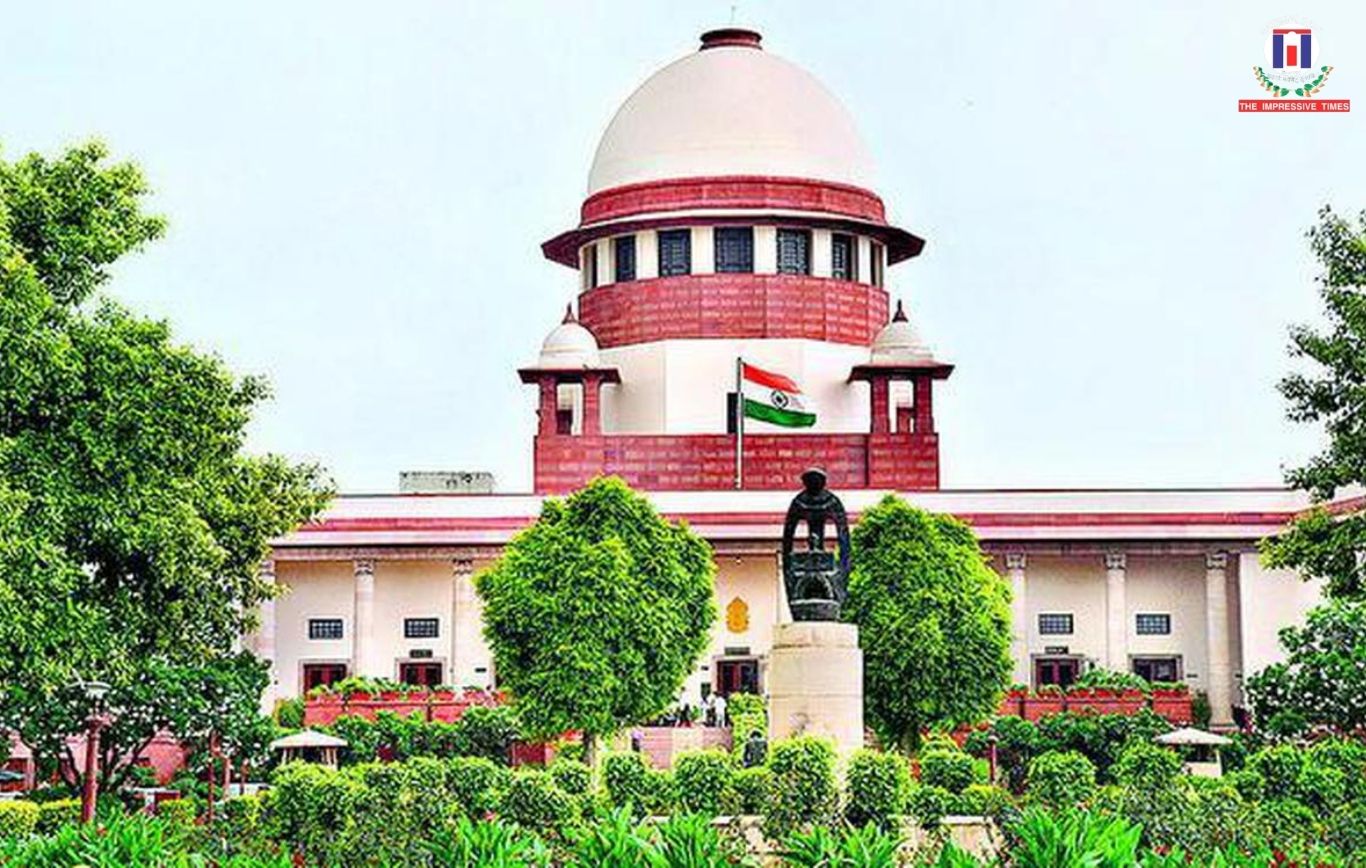
New Delhi, June 11: In a significant ruling, the Supreme Court of India has held that the loss of a homemaker’s domestic care should be treated as a separate head of compensation in motor accident cases, acknowledging the immense value of unpaid household work.
The judgment was delivered by a Bench comprising Justice Sanjay Karol and Justice N. K. Singh while hearing an appeal related to compensation arising from a fatal road accident.
The Court ruled that the contribution of a homemaker extends far beyond routine household responsibilities and plays an important role in supporting families and society.
While awarding enhanced compensation to a widower who lost his wife in a motor vehicle accident, the Bench introduced “loss of domestic care” as an independent component for determining compensation.
The judges observed that the services provided by homemakers carry substantial social and economic value, even though they are often unpaid and overlooked in conventional compensation calculations.
As part of its assessment, the Court quantified the value of the deceased woman’s domestic care and household services at ₹30,000 per month.
The Bench noted that homemakers contribute significantly to family welfare, child development and overall social progress. Therefore, their loss should be recognized separately while calculating damages in accident compensation cases.
The ruling underscores the growing judicial recognition of unpaid domestic labour. The Court emphasized that homemakers play a crucial role in nurturing families and supporting the nation’s development.
According to the Bench, household work cannot be dismissed as having no economic value merely because it does not generate direct income.
Legal experts believe the judgment could influence future compensation awards under the Motor Vehicles Act by encouraging courts and tribunals to separately assess the loss of domestic care provided by homemakers.
The decision is expected to strengthen recognition of the economic and social contribution made by women managing households across the country.
The ruling marks another important step in acknowledging the value of unpaid domestic work within India’s legal framework. By creating a distinct compensation category, the Supreme Court has reinforced the principle that homemakers’ contributions deserve formal recognition and protection under the law.





























No Comments: