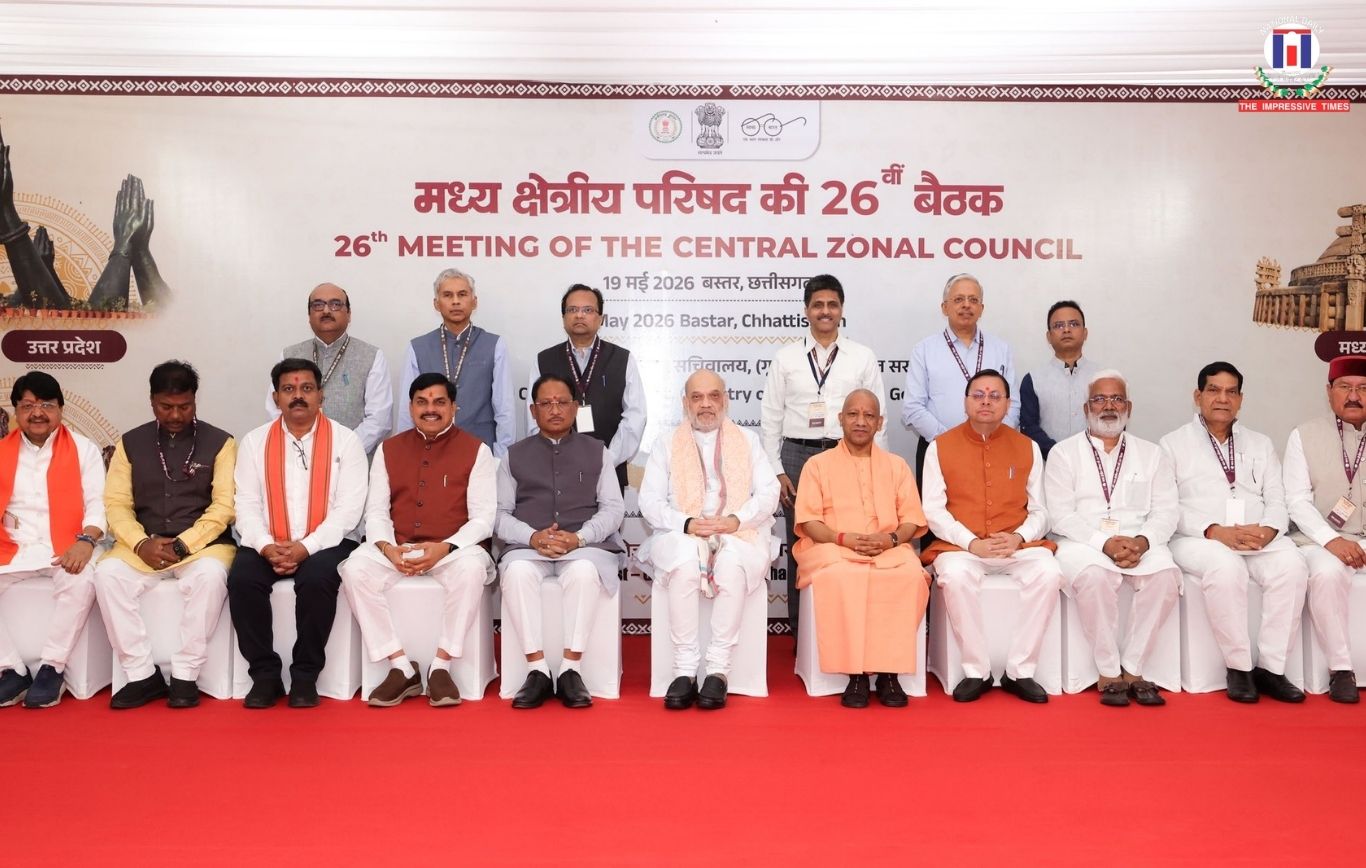
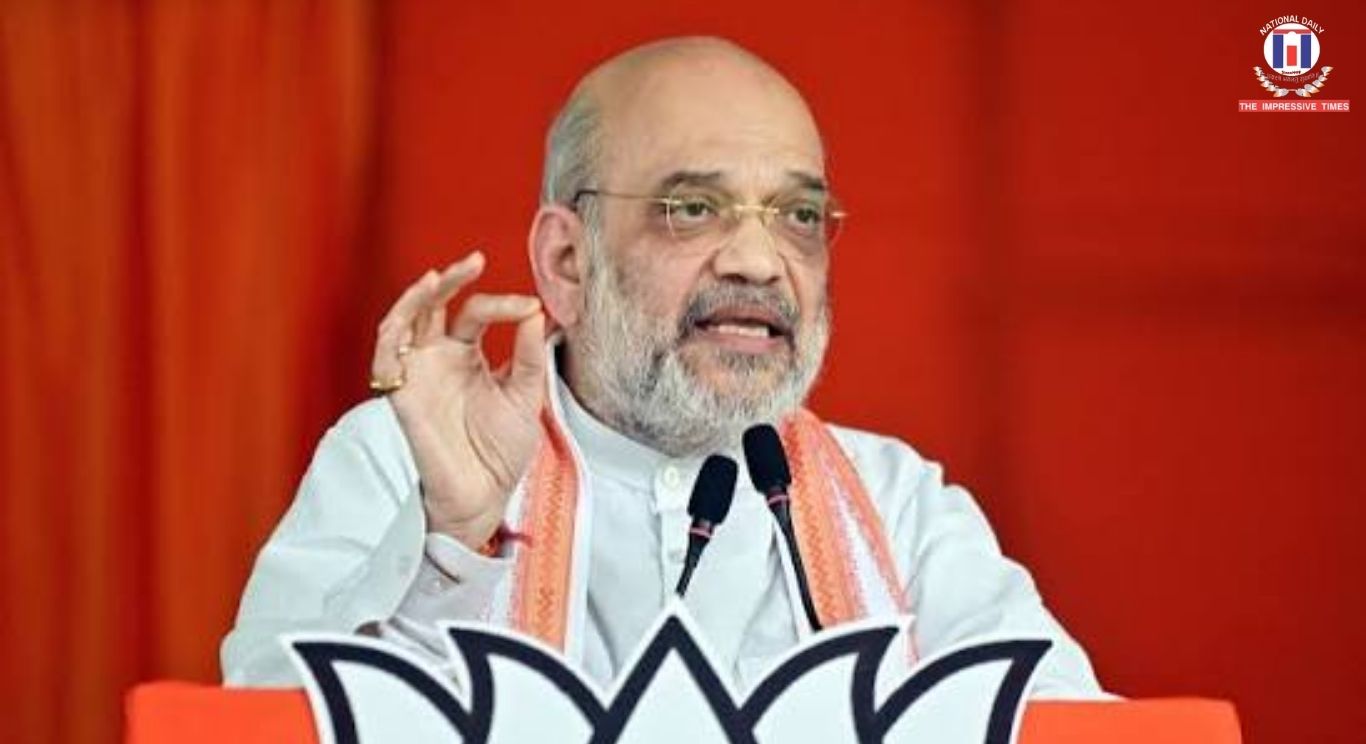
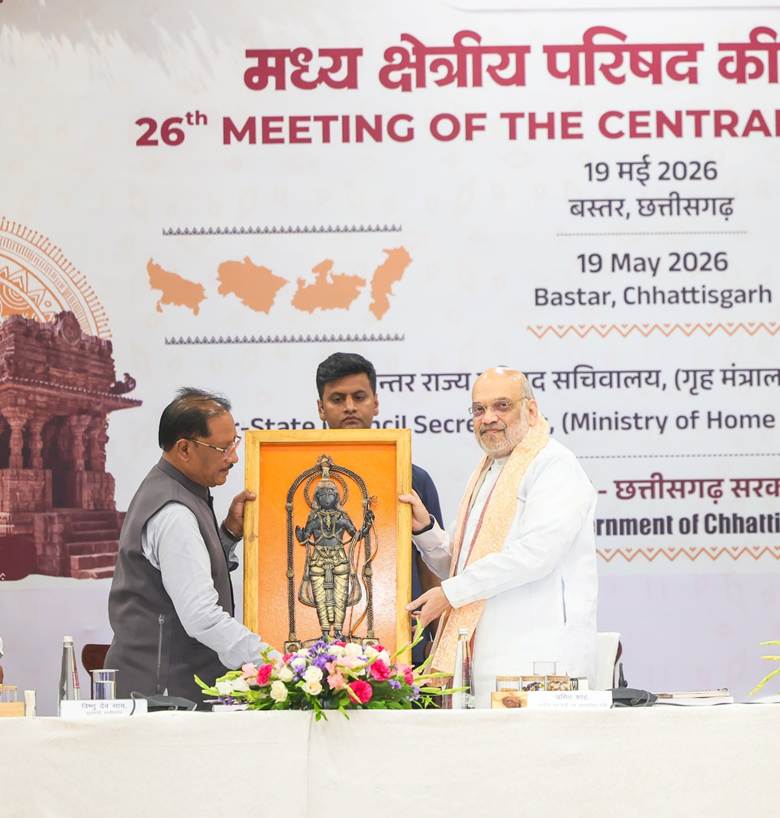
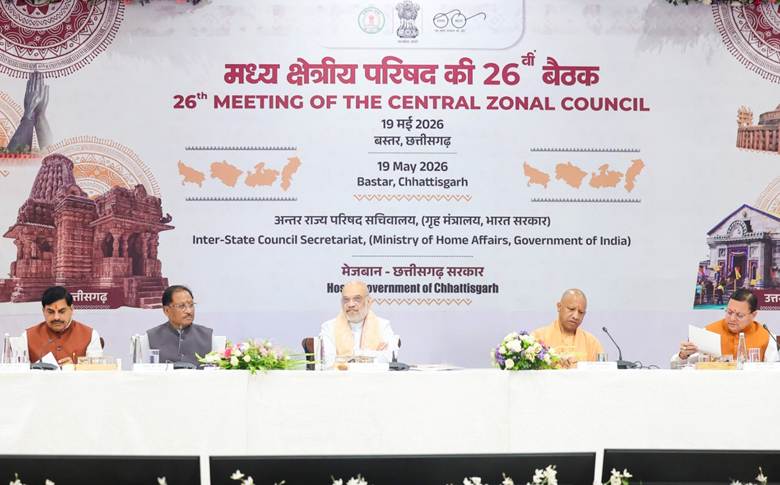
Bastar, May 19, 2026: Union Home Minister and Minister of Cooperation Amit Shah on Monday chaired the 26th meeting of the Central Zonal Council (CZC) in Bastar, Chhattisgarh, where he described India’s emergence as a Naxal-free nation as a historic achievement and credited coordinated efforts of security forces, state governments and the Centre for the success.
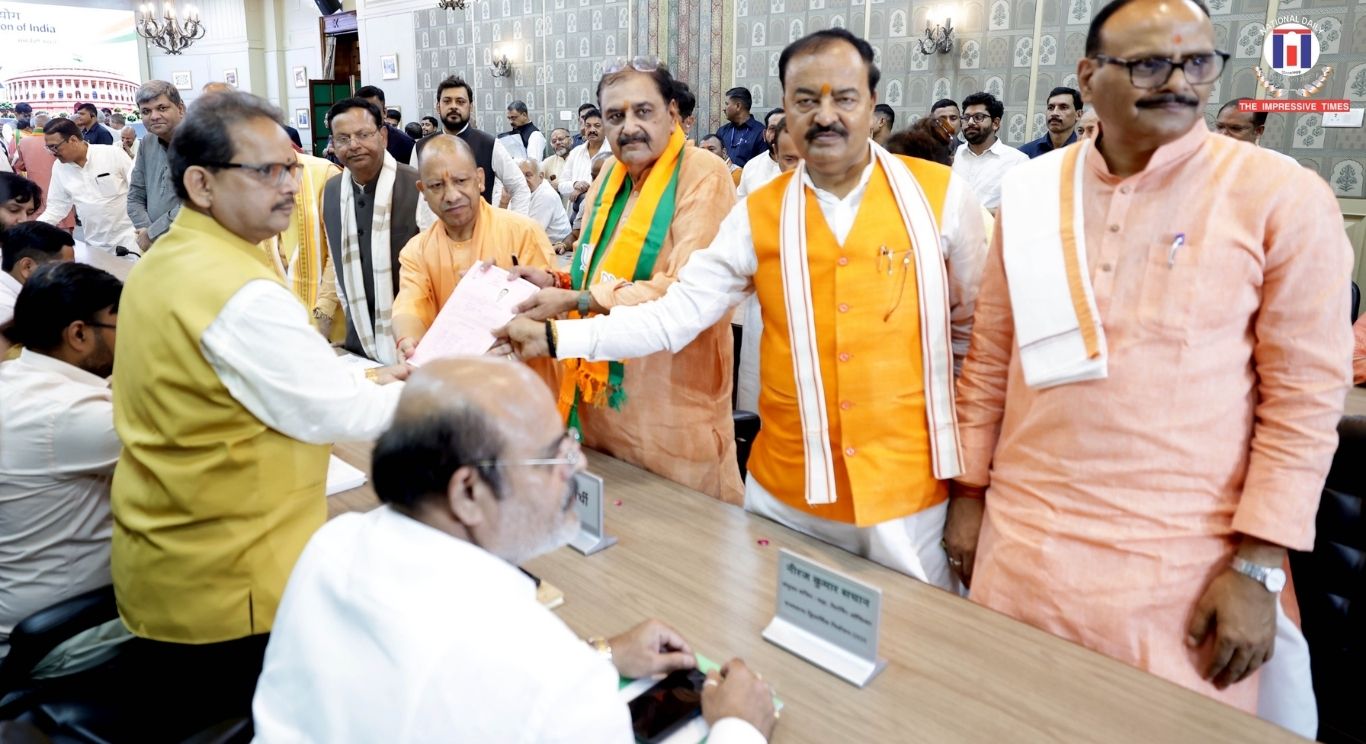
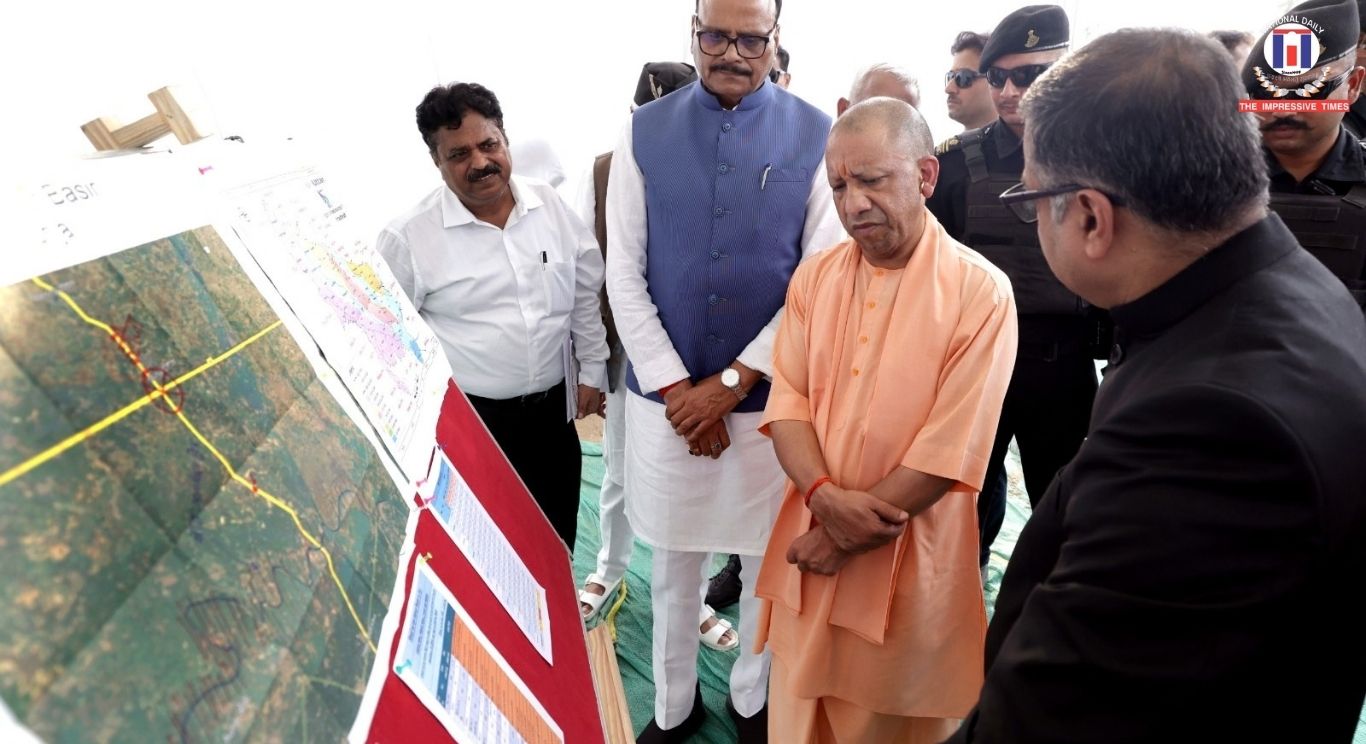
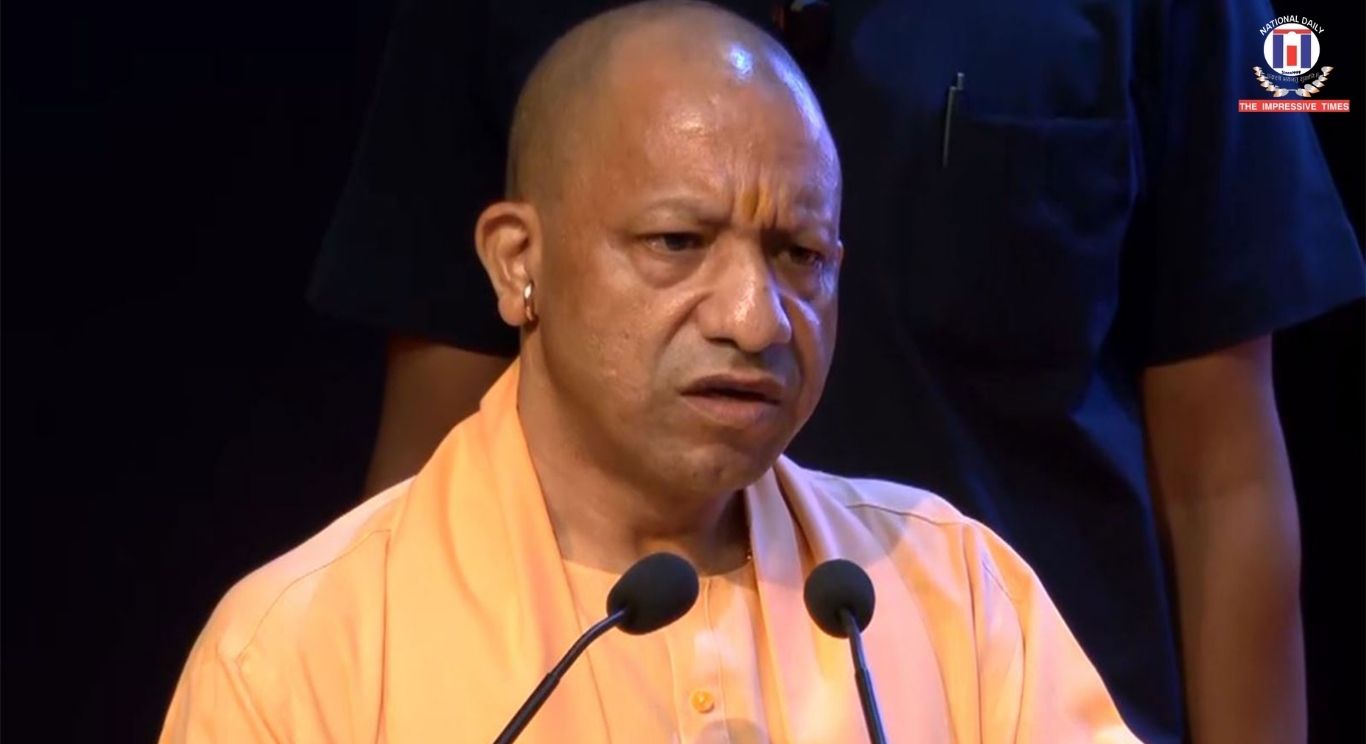
The high-level meeting was attended by Chhattisgarh Chief Minister Vishnu Deo Sai, Madhya Pradesh Chief Minister Mohan Yadav, Uttar Pradesh Chief Minister Yogi Adityanath and Uttarakhand Chief Minister Pushkar Singh Dhami along with senior officials from the participating states and the Central Government.
Addressing the gathering, Amit Shah said it was symbolic and encouraging that the meeting was being held in Bastar, a region once heavily affected by Left Wing Extremism, which has now become free from Naxal influence.
He credited the achievement to the courage of security personnel, precise intelligence gathering and close coordination between state police forces and Central Armed Police Forces (CAPFs). Shah also highlighted the “Whole of Government Approach,” under which both central ministries and state governments worked together to accelerate development in previously affected regions.
The Home Minister, however, said the mission was not complete until former Naxal-hit regions reached the same level of development as the rest of the country. He stressed that infrastructure, welfare schemes and economic opportunities must now be expanded aggressively in these areas.
Congratulating Prime Minister Narendra Modi on the achievement, Shah said the Centre’s consistent strategy and coordination with states played a key role in eliminating Naxalism from the country.
The Union Minister also stated that the Central Zone, comprising Chhattisgarh, Madhya Pradesh, Uttar Pradesh and Uttarakhand, now stands free not only from Naxalism but also from major inter-state and Centre-state disputes. According to him, this reflects the strengthening of cooperative federalism under the Modi government.
Shah said meetings of Zonal Councils have become more result-oriented and regular over the last decade. He pointed out that between 2014 and 2026, 32 Zonal Council meetings were held compared to only 11 meetings during 2004–2014. Discussions on inter-governmental issues also increased significantly during the period, with nearly 80 percent of matters reportedly resolved.
Focusing on governance and development priorities, the Home Minister urged states to intensify efforts in providing tap water connectivity under Jal Jeevan Mission, improving nutrition and reducing school dropout rates. He appealed to Chief Ministers and Chief Secretaries to work collectively with the Centre to combat malnutrition and strengthen public welfare delivery systems.
Shah also emphasized the importance of financial inclusion, rural development and power sector reforms in transforming the region into a stronger economic contributor. He stressed the need to ensure banking facilities within a five-kilometre radius to support Direct Benefit Transfer (DBT)-based welfare schemes.
On law and order, the Home Minister called for stricter action in cases related to adulteration and urged authorities to widely publicise convictions and penalties to create public awareness.
He further stressed the importance of timely DNA testing in POCSO and rape cases, saying faster forensic investigation could help achieve nearly 100 percent conviction rates. Shah also recommended that High Courts establish special courts for cases pending for more than five years to ensure speedy justice delivery.
Highlighting the growing challenge of cybercrime, Shah directed all states to modernise their 1930 cyber helpline call centres according to the Ministry of Home Affairs guidelines.
The Home Minister also reviewed the implementation of the new criminal laws and said the government should work towards disposing of criminal cases — from lower courts to the Supreme Court — within three years before 2029.
The meeting was organised by the Inter-State Council Secretariat under the Ministry of Home Affairs in coordination with the Chhattisgarh Government.




















No Comments: