US Spends $5.6 Billion on Weapons in First Two Days of Iran Conflict, Raising Readiness Concerns
US Spent $5.6 Billion on Weapons in First Two Days of Iran War: Report

 The Impressive Times
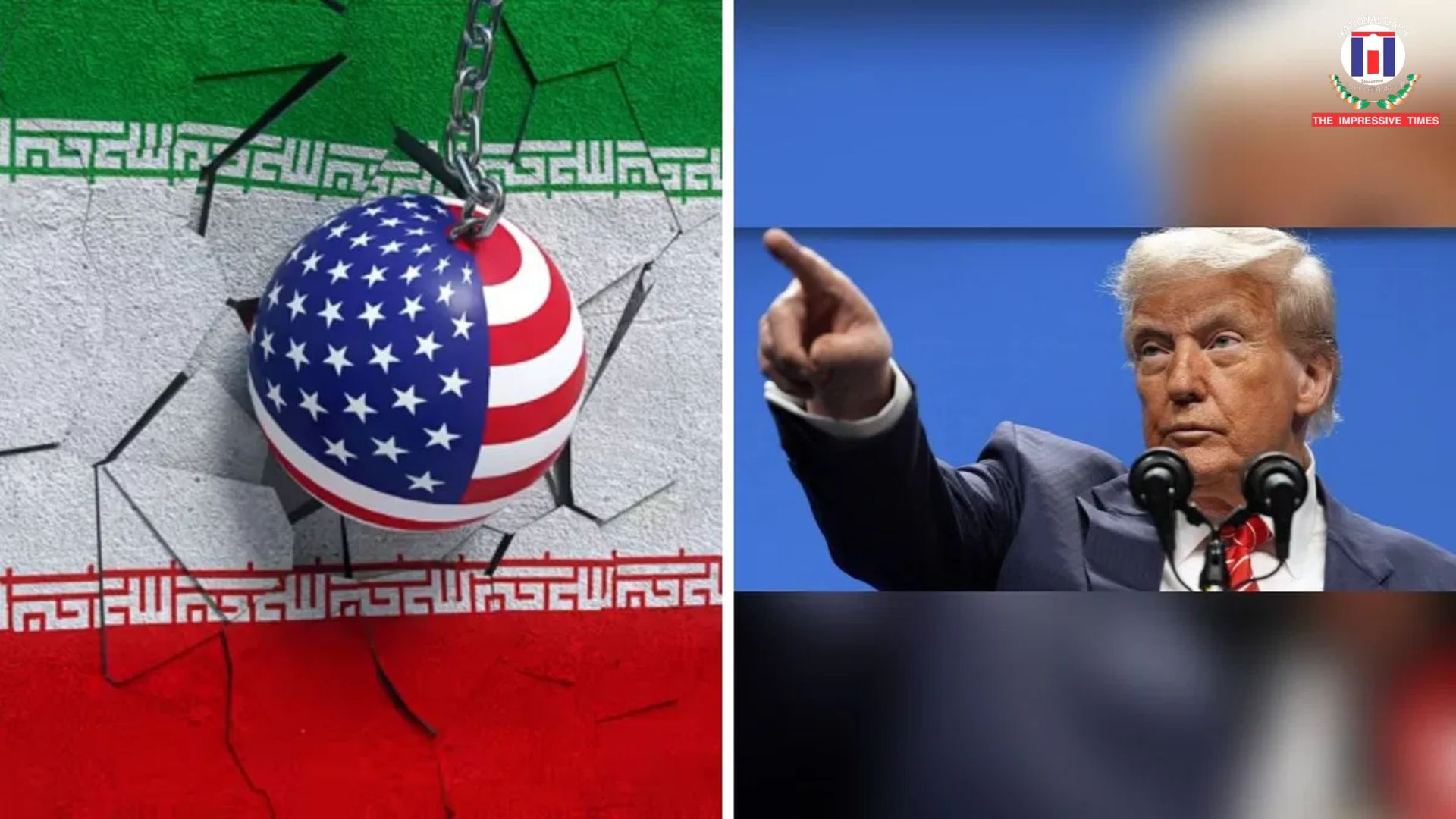
Washington, March 10, 2026: The US military reportedly burned through $5.6 billion worth of weapons in just the first 48 hours of its operations against Iran, according to a report by the Washington Post. This figure reflects the cost of munitions alone and does not include the broader expenses associated with troop deployments, aircraft, or naval operations.
Officials in Washington have expressed concern that such rapid expenditure could strain the US military’s readiness for sustained operations. Lawmakers have been briefed on the situation, and the White House is expected to request a supplemental defense package potentially worth tens of billions of dollars to replenish stockpiles and maintain operational momentum.
Pentagon spokesperson Sean Parnell responded to queries about weapon reserves, stating: “The Department of Defense has everything it needs to execute any mission at the time and place of the President’s choosing and on any timeline.”
Despite the heavy early use of precision munitions, US and Israeli forces are reportedly preparing to rely increasingly on laser-guided bombs and advanced ordnance as operations advance deeper into Iranian territory.
The military strikes have already disrupted key oil and gas routes, contributing to rising fuel prices in the United States and other international markets. Strategic installations targeted in the early stages include military bases, government buildings, oil and water facilities, hotels, and at least one educational institution.
President Donald Trump issued a stark warning to Tehran regarding the Strait of Hormuz, a critical artery for global energy exports: “If Iran does anything that stops the flow of oil within the Strait of Hormuz, they will be hit twenty times harder than they have been hit thus far. Death, Fire, and Fury will reign upon them, but I hope, and pray, that it does not happen.”
Trump emphasized that future strikes would focus on “easily destroyable” targets, signaling the administration’s willingness to escalate if vital energy flows are threatened.
With billions already spent and international markets feeling the effects, the early phase of the conflict highlights the financial and strategic costs of high-intensity warfare. Congressional scrutiny is expected, while analysts will watch closely to see how the Pentagon manages munitions and resources in the coming weeks.
















































No Comments: