Antyodaya: Fulfilling Pandit Deen Dayal Upadhyaya’s Vision in Today’s India
By Aabhas Agarwal – Accomplished Speaker in Global Forums, District Spokesperson, BJP Faridabad


 The Impressive Times
Pandit Deen Dayal Upadhyaya, one of the founding leaders of the Jan Sangh, was a thoughtful guide in Indian politics. He not only gave a new direction to organization and nation-building, but also propounded the fundamental philosophy of Integral Humanism, centering Indian thought and Sanatan culture. Under Upadhyaya’s leadership, the Jan Sangh made it its goal to bring development to the last person in society. He believed that the true purpose of democracy lies in the empowerment of the weakest and most deprived sections of society. With his ideas, organizational skills and policy firmness for the public good, he changed the course of Indian politics.
Deen Dayal Upadhyaya firmly believed that India’s true strength resides in its villages and ordinary people. National development will remain incomplete until the weakest are uplifted. To complete national development, he developed the unique principle of “Integral Humanism,” a key component of which is “Antyodaya.” Antyodaya literally means “the rise of the last person”—a philosophy that grants the lowest rung of society the right to development with equality and dignity. Integral Humanism aims to ensure a dignified life for every human being by balancing the needs of each individual and society, and “Antyodaya” means qualitatively improving the lives of those at the bottom of society. Western economists call this “upliftment of the bottom of the pyramid.”
Like Mahatma Gandhi’s Sarvodaya, this idea is based on the advancement of all, but Antyodaya focuses specifically on the last person, who is often left behind in the race for development. Antyodaya is not limited to charity or help. Its true objective is to create a strong society where every person is self-reliant and can live a life of dignity based on their labor and skills.
Furthermore, it understands development in a multidimensional way, giving equal importance to physical, mental, intellectual, and spiritual progress. Therefore, this philosophy will always remain relevant not only in India but in all developing countries.
It means not only economic development but also the elimination of the deprivation and suffering that makes life difficult for the last citizen. The essence of Antyodaya is that every person should have access to basic necessities like food, clothing, shelter, health, and education.
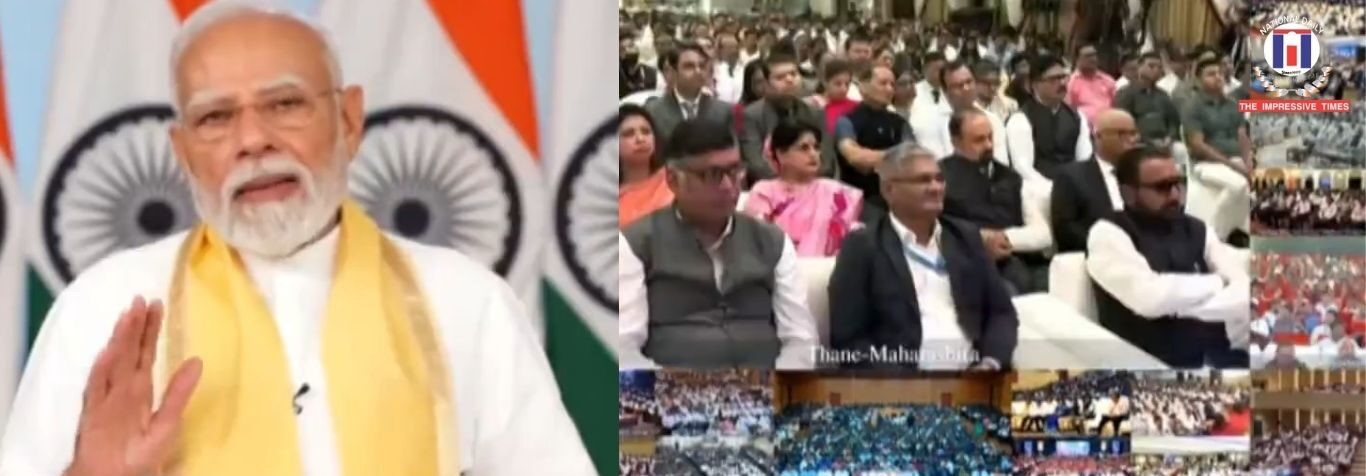
Prime Minister Narendra Modi is the main flag bearer of the Antyodaya philosophy today. With the motto of “Sabka Saath, Sabka Vikas,” the Modi government has done unprecedented work in winning “everyone’s trust” by extending the benefits of its schemes to the poorest, most deprived, and most exploited people in the country. Providing free gas connections under the Ujjwala Yojana, fulfilling the dream of a roof over their heads through the Pradhan Mantri Awas Yojana, and providing free healthcare to millions of needy people through Ayushman Bharat—all these initiatives are clear examples of Modi’s commitment to Antyodaya.
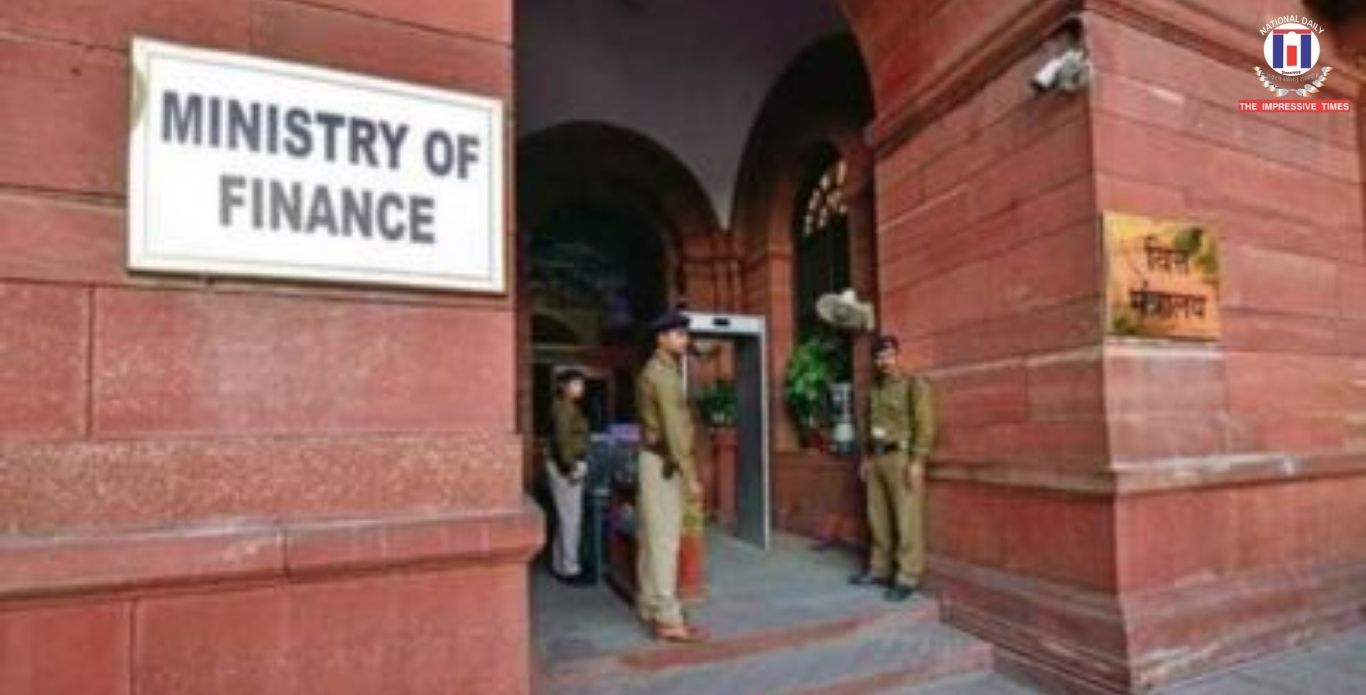
In keeping with Modi’s vision, Finance Minister Nirmala Sitharaman’s NextGen GST is an extension of this vision, ensuring that essential daily goods are accessible and affordable to the poor and middle class. In this way, Modi is not only realizing the idea of Antyodaya (the ideal of Antyodaya), but also moving towards a prosperous and developed India.
A close look at the recent GST rate revisions will reveal that the largest tax reductions have been made on everyday household items. High-temperature processed (UHT) milk, pre-packaged paneer, Indian breads like roti, bread, and khakhra have been taxed at zero percent (0%), down from 5% previously. Furthermore, a 5% tax has been imposed on condensed milk, butter, ghee, cheese, and dairy spreads, down from 12% to 18% previously. Amul has reduced the prices of its products, such as butter, now available for 58% instead of 62%. The price of milk has also been reduced.
Spices and dried fruits, such as almonds and walnuts, and starches and vegetable extracts have also been taxed at 5%. Chocolate, baked goods, and snacks have also been taxed at 5%, down from 12% to 18% previously. Similarly, fresh foods like fruits, vegetables, and grains are available at lower or 0% tax rates than before.
Special exemptions have also been provided for healthcare services and medical equipment. Life-saving medicines and medical devices, such as surgical kits, oxygen, and diagnostic kits, have been reduced to 5%. GST has been completely removed from health insurance, making healthcare affordable and accessible.
The tax rate on daily use items, including soap, shampoo, toothpaste, and detergent, has also been reduced from 18% to 5%, making personal hygiene items more affordable. Tax rates on living and dining items, such as furniture, kitchen utensils, household appliances, toys, and electronics, have also been reduced from 28% to 18%. This will not only benefit middle-class families but will also generate new jobs due to increased usage.
Tax rates on two-wheelers and four-wheelers have also been reduced. The tax rate on electric and small vehicles (such as motorcycles under 350cc) has been reduced to 18%, down from 28% previously. Tax exemptions have also been provided on vehicles. Tractors and machinery used by farmers have also become cheaper, with savings of up to ₹63,000 on tractors, approximately ₹4,500 on seed drills, and the largest savings of approximately ₹187,500 on harvesters. These vehicles are now within the reach of poor families.
In addition, clothes and shoes (priced under ₹2,500) have also become cheaper, directly benefiting those at the bottom of the pyramid.
Consumers will benefit most from the 5% rate cut on daily necessities, instead of 0%. Traders will due to the Input Tax Credit (ITC) directly passed on to buyers.
These changes will make daily essentials more affordable and improve the living standards of the poor. Furthermore, implementing these measures by establishing separate task forces and committees at the district and state levels is a commendable step. The purpose of this GST rate cut is to provide economic relief to the poor and middle class, increase their purchasing power, and empower the most vulnerable sections of the nation in accordance with the principle of Antyodaya. If Deen Dayal Upadhyaya were alive today, he would surely be pleased with the work of Prime Minister Narendra Modi.I pay homage to him on his birth anniversary.
Antyodaya reminds us that a nation’s progress is incomplete until its most vulnerable citizens are able to live a dignified and secure life. This philosophy is the foundation of India’s future and its balanced development.













No Comments: