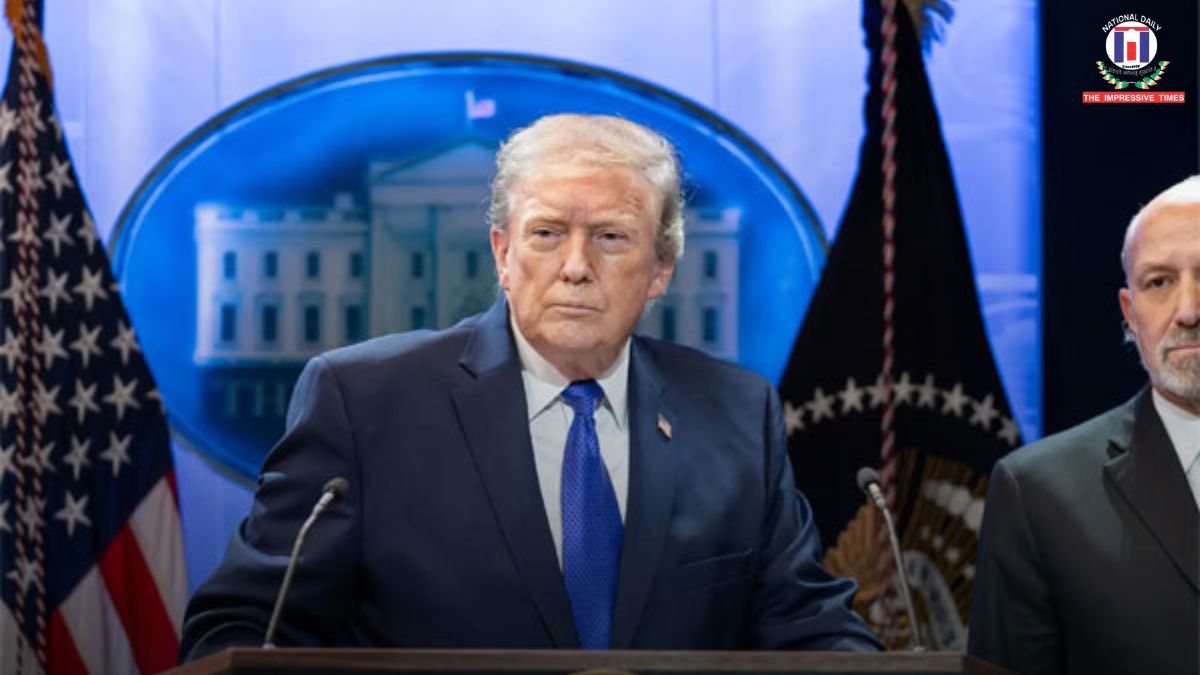
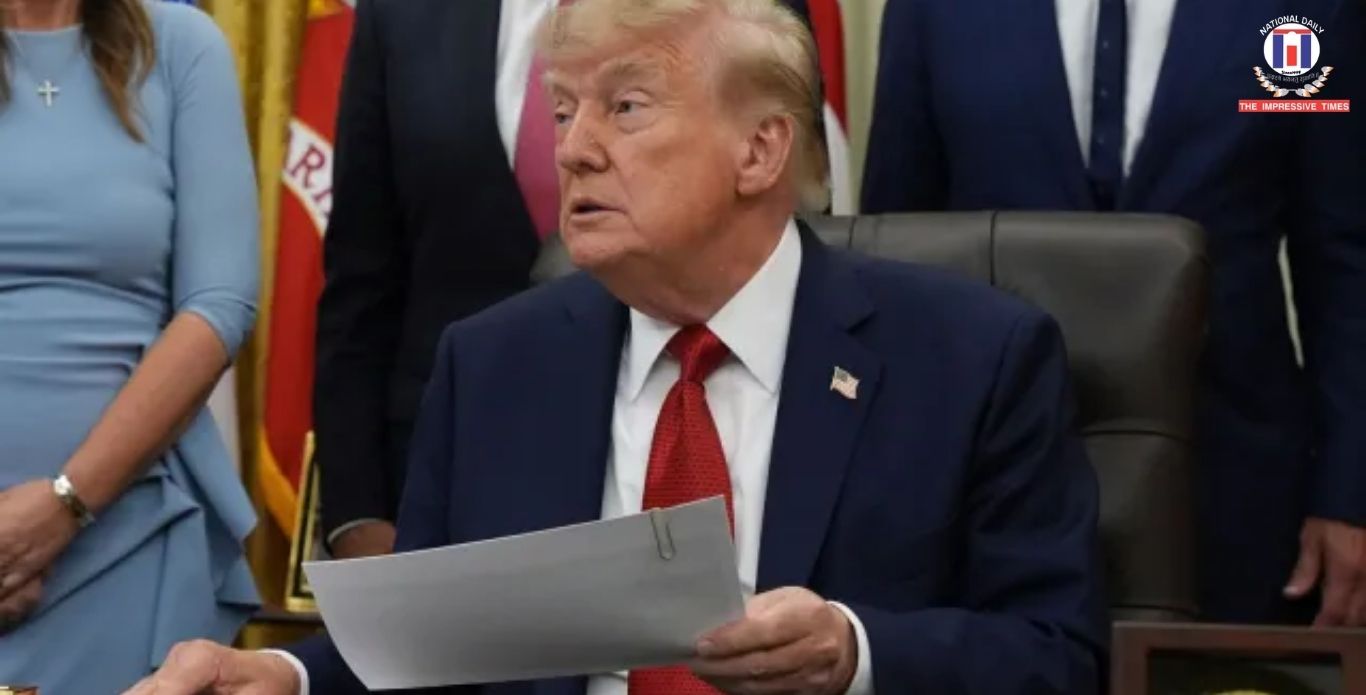
Washington, May 3, 2026: United States President Donald Trump has indicated that Washington may significantly expand its planned military withdrawal from Germany, suggesting troop reductions could go far beyond the already announced removal of 5,000 American personnel stationed there.
Speaking amid growing tensions with European allies, Trump said his administration intends to reduce the US military footprint in Germany “way down,” reinforcing his long standing demand that European nations shoulder greater responsibility for their own defence. The Pentagon had already confirmed that around 5,000 troops would be withdrawn over the next six to twelve months following a strategic review of US force deployment in Europe.
Germany currently hosts roughly 35,000 to 40,000 US troops and remains one of Washington’s most critical military hubs in Europe, supporting operations across NATO, the Middle East, and Africa. A larger scale reduction could reshape the alliance’s security structure and intensify debate over Europe’s defence preparedness.
The move comes against the backdrop of diplomatic friction between Trump and German Chancellor Friedrich Merz, particularly over disagreements surrounding recent US foreign policy decisions and military strategy. Trump has also hinted that similar troop reviews could extend to other European nations, including Italy and Spain.
German officials have acknowledged the shift while emphasizing the need for stronger independent European defence capabilities. However, concerns are mounting among NATO partners and US lawmakers that a broader pullback may weaken deterrence against potential security threats, particularly from Russia.
Trump’s latest remarks underscore a potentially major recalibration of America’s military strategy in Europe, with implications that could significantly alter NATO’s future balance and regional security architecture.







































No Comments: