In a landmark initiative blending tradition with global design, the Ministry of Textiles, in collaboration with the National Institute of Fashion Technology (NIFT), unveiled “Vishwa Sutra – Weaves of India for the World” at the 61st edition of Femina Miss India in Bhubaneswar.
The collection represents a first-of-its-kind effort to position Indian handlooms within a contemporary global framework. Featuring 30 distinct weaves from across different states, the showcase reinterprets each textile tradition through inspirations drawn from 30 countries, blending Indian craftsmanship with international aesthetics.
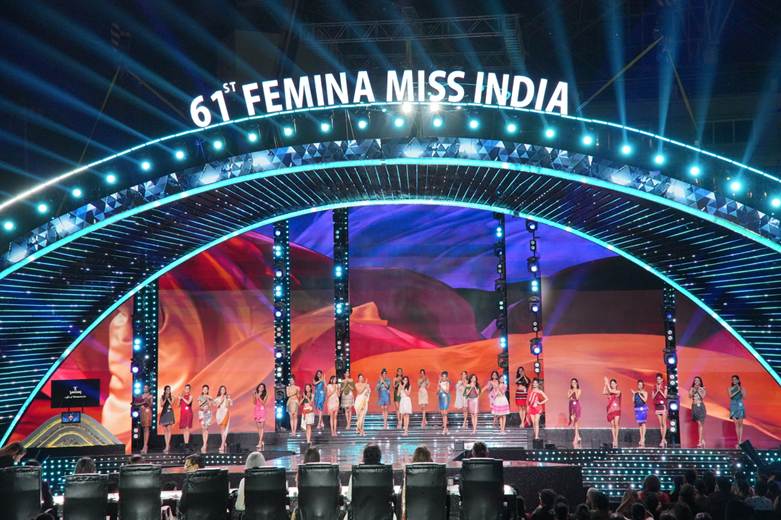
The concept behind ‘Vishwa Sutra’ lies in presenting India’s rich handloom heritage through a modern, globally relevant lens. Each ensemble paired traditional weaves with diverse cultural silhouettes—such as Odisha Ikat with Greek-inspired forms, Kanchipuram silk with Norwegian design elements, Muga silk with Egyptian influences, Patola with Spanish aesthetics, and Banarasi weaves with UAE-inspired styling. This fusion highlighted both the versatility and timeless appeal of Indian textiles.
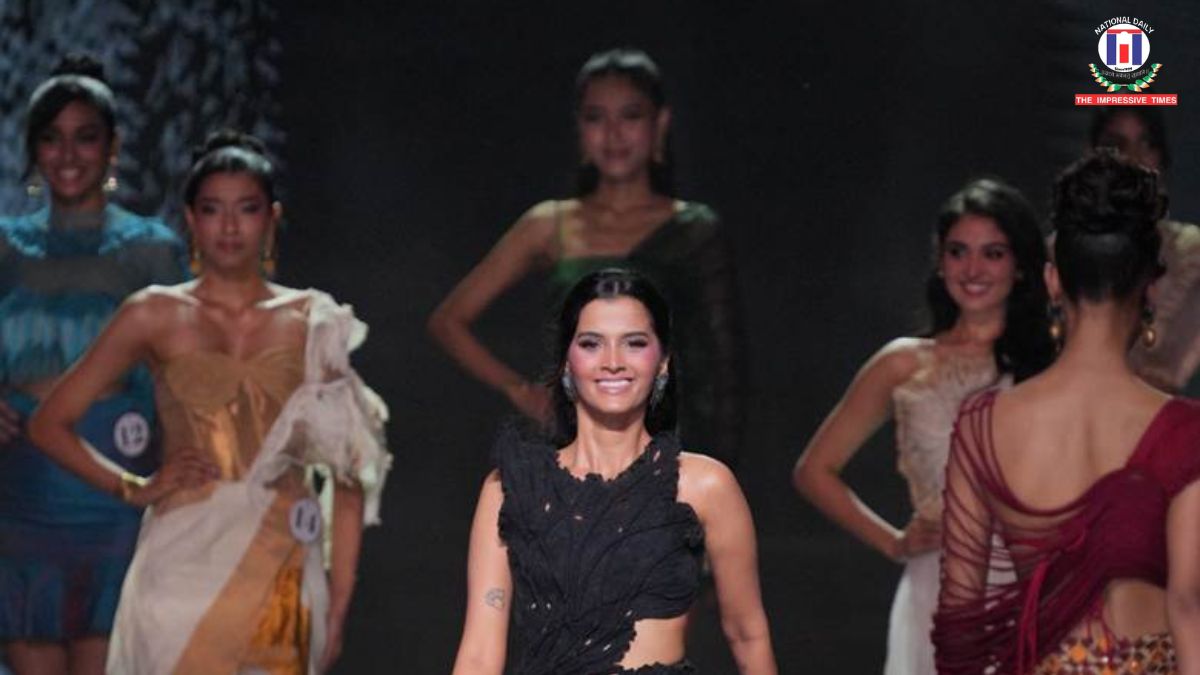
The collection was presented during the opening round of the pageant, with 30 state winners walking the ramp in these specially curated ensembles. The showcase not only celebrated India’s textile diversity but also demonstrated how traditional crafts can evolve to meet contemporary fashion sensibilities without losing their authenticity.
Speaking on the occasion, Development Commissioner (Handlooms) Dr. M. Beena emphasised the importance of the handloom sector in preserving cultural identity while supporting livelihoods, particularly through women-led entrepreneurship. She highlighted the broader vision of connecting rural craftsmanship to global markets, aligning with the government’s push toward “local to global” initiatives.

A notable moment from the event was when the winner, Sadhvi Satish Sail, donned a traditional Kunbi weave reimagined with a Central European silhouette. The ensemble symbolised the blending of heritage with innovation, reflecting the deeper narrative of continuity and adaptation within India’s textile traditions.
The initiative also aligns with the government’s broader vision under the 5F framework—Farm to Fibre to Factory to Fashion to Foreign—aimed at strengthening the textile value chain and enhancing India’s presence in global markets. By integrating design innovation with traditional craftsmanship, ‘Vishwa Sutra’ seeks to open new avenues for artisans and position Indian handlooms as globally competitive products.
Beyond its visual appeal, the collection carries economic and cultural significance. The handloom sector remains a vital source of employment, especially in rural areas, and plays a key role in sustaining age-old techniques passed down through generations. Initiatives like this not only promote these traditions but also create new opportunities for their growth in international markets.
Overall, ‘Vishwa Sutra’ stands as a compelling example of how tradition and modernity can coexist. By bringing Indian handlooms onto a global fashion platform, it reinforces the idea that heritage crafts are not relics of the past, but dynamic, evolving expressions capable of resonating with audiences worldwide.
































No Comments: