Lord Thomas Babington Macaulay is credited with playing a vital role in the introduction of English education in India.
The 83-year-old gave the example of an IFS officer that he met during one of his visits to Istanbul, who initially versed with the Hindi language only, became fluent in multiple languages within one year. ”I was very impressed on a visit to Istanbul to find a new recruit who could only speak to me in Hindi. But by the time I reached Istanbul again the following year, the same gentleman spoke fluent English, and more importantly fluent Turkish. So, we are getting the flavour of our country into the foreign service and that I think is a very good thing,” he added.
Aiyar, who joined the IFS in 1963 and served as joint secretary from 1982 to 1983 in the Ministry of External Affairs, underscored how the foreign service has now grown beyond the prejudices of its first recruits. For instance, the growing strength of women in the previously male dominated IFS cadre, which he said makes ”half or even more of the total recruits” presently unlike 1948.
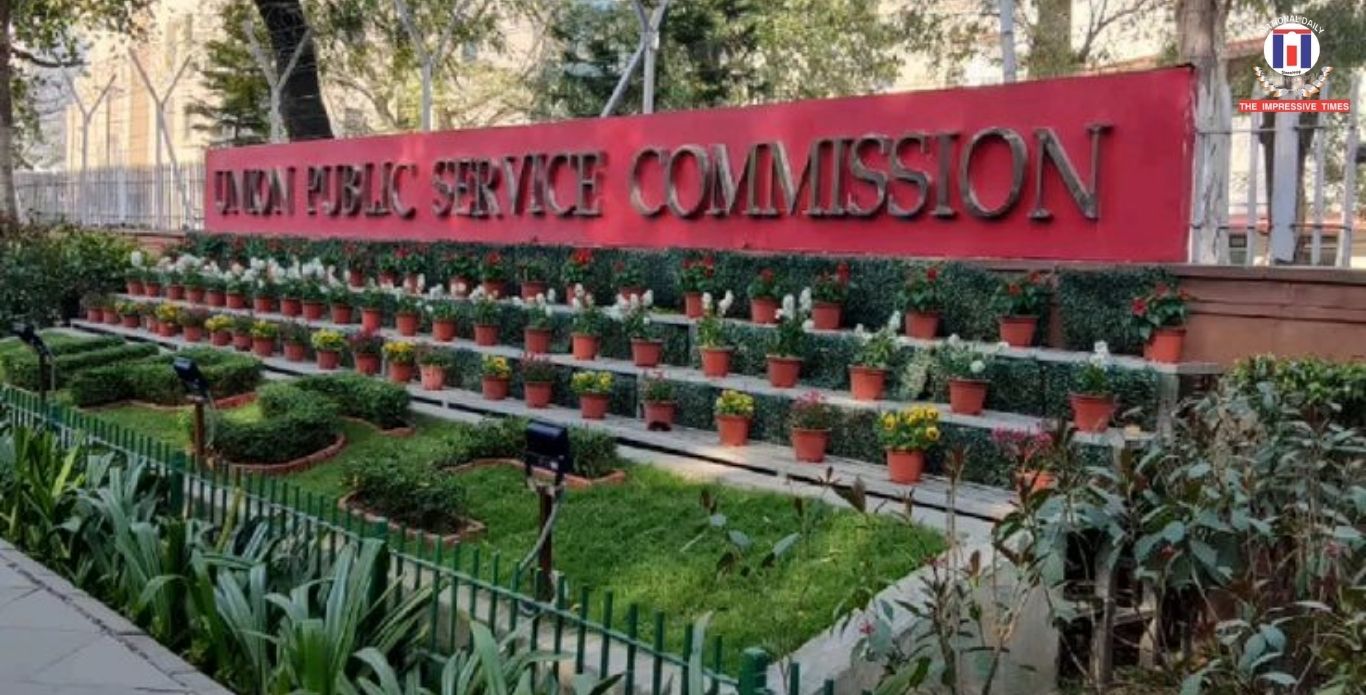
Chonira Belliappa, known as India’s first woman diplomat, was the only woman to clear the Union Public Service Commission (UPSC) examinations in 1948.
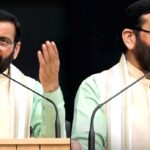
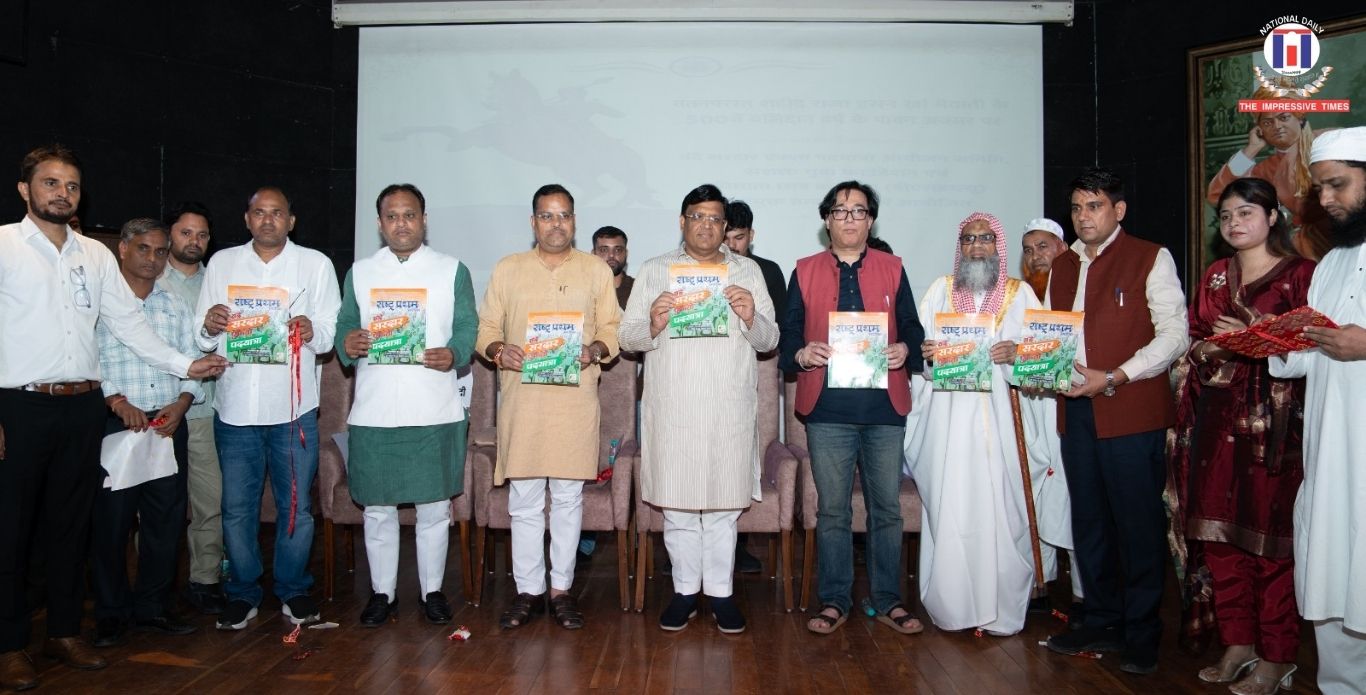
”They are allowed to get married, they are even allowed to marry foreigners… Earlier, in the IFS even a man had to retire if they married someone from abroad. One of my batchmates Sivakumar Das was shunted out to the UNDP because he married a Czech girl. I think all those bad features of the first generation of recruits have now been overcome,” he explained. Praising Nehru for the ”re-invention” of modern age IFS, Congress leader Karan Singh, who was also among the speakers at the book launch, on the occasion recalled how he himself narrowly missed the chance of becoming a full-time career diplomat.


 The Impressive Times










No Comments: